
The menstrual cycle is much more than a simple biological phenomenon. It represents an essential physiological process that governs the lives of women. According to Dr. Caroline Alvarez, a general practitioner, it is crucial to understand your cycle to better know yourself. Indeed, this cycle influences not only fertility but also mood, energy, and even skin health.
Every woman experiences her cycle uniquely, and its duration can vary. Inserm emphasizes that hormonal fluctuations can affect various aspects of daily life. Learning to listen to and decode the signals from your body allows for a better understanding of these changes. This guide will accompany you through the different stages of the menstrual cycle.
By observing the natural transformations of your body, you can change your perception of fertility and well-being. A deep understanding of this cycle is a true asset for improving your quality of life.

Key points to remember
- The menstrual cycle is a complex process influencing women's lives.
- Understanding this cycle helps to better comprehend one's body.
- Hormonal fluctuations impact mood and energy.
- This guide will help you navigate through the stages of the cycle.
- Observing your body changes the perception of fertility.
Introduction to the menstrual cycle
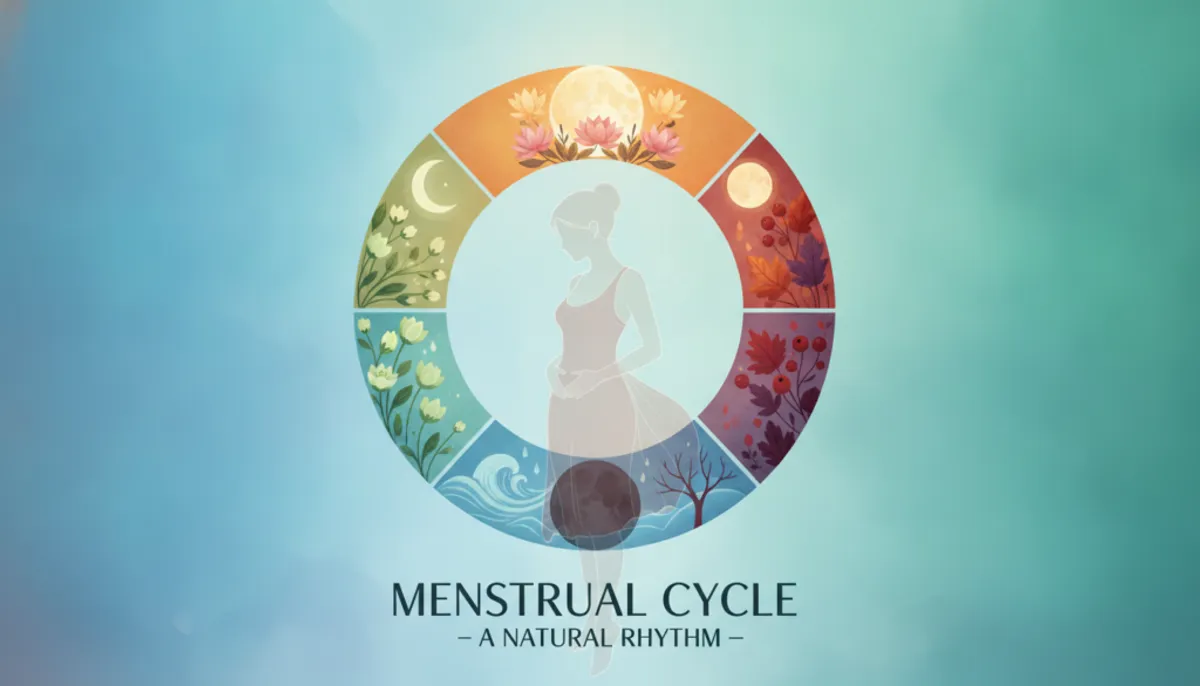
The menstrual cycle plays a fundamental role in women's lives. It begins in adolescence and ends at menopause, marking about 450 cycles over a lifetime. This hormonal process is essential as it allows a woman to ovulate and prepare her body for a potential pregnancy each month.
The overall health of women is closely linked to the hormonal balance that regulates this cycle. It is crucial to realize that menstruation is not simply an elimination but a sign of the body's renewal. Moreover, the menstrual cycle directly influences mood and energy, acting as an internal barometer for well-being.
By understanding these elements, women can better grasp their health and their cycle. This allows for a more serene and self-aware experience each month.
Definition and importance of the cycle
Link between menstrual cycle and overall well-being
The key stages of the menstrual cycle
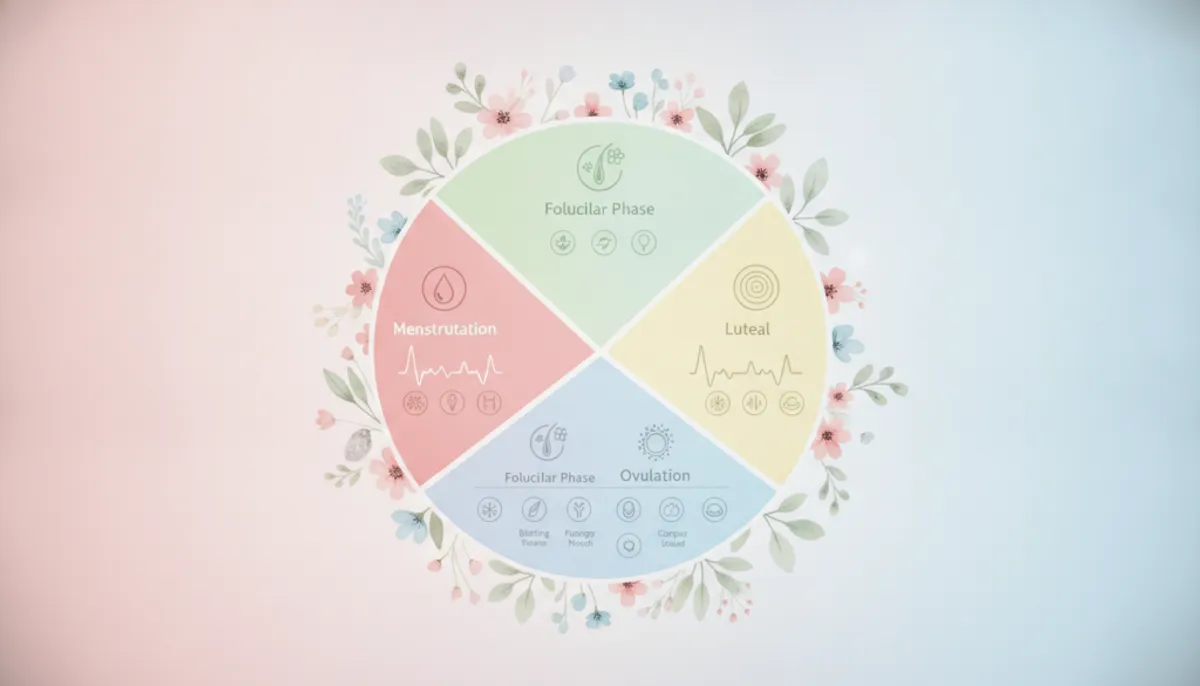
The menstrual cycle consists of several phases, each having unique impacts on the body. The first stage is the menstrual phase, which begins on the first day of menstruation. During this phase, the endometrium is expelled by the uterus in the absence of fertilization.
Menstruation typically lasts between 2 and 8 days, with an estimated blood loss of 40 to 80 mL. This marks the beginning of a new cycle.
Next, we enter the follicular phase. Here, estrogen levels gradually increase, stimulating the maturation of follicles in the ovaries. This phase prepares the body for ovulation.
Ovulation is a key moment when the ovum is released, occurring about 14 days before the next menstruation. This precision illustrates the harmony of the menstrual cycle in healthy women.
Normal and irregular variations of the cycle
Every woman may experience variations in her menstrual cycle, reflecting the diversity of female physiology. On average, a menstrual cycle lasts 28 days, but a duration between 21 and 35 days is perfectly normal.
Inserm experts emphasize that a variation of less than 7 to 9 days between cycles is considered physiological. For example, a woman may have cycles of 25 or 32 days without it being pathological for her health.
However, irregular cycles, defined by gaps greater than 7 days, may signal a hormonal imbalance. This often requires a medical consultation to assess the situation.
Additionally, the duration of the cycle can be influenced by external factors such as stress or diet, as indicated by studies from StatPearls.
| Type of cycle | Normal duration | Acceptable variations |
|---|---|---|
| Regular cycle | 28 days | 21 to 35 days |
| Irregular cycle | Variable | More than 7 days difference |
| Example | 25 or 32 days | Without pathology |
Strategies to understand your cycle
Learning to recognize the signs of your body is essential for better managing your menstrual cycle. By carefully observing your symptoms and measuring certain bodily indicators, you can gain a deeper understanding of your health. This allows you to spot variations and anticipate changes.
An effective method is symptothermal tracking, which combines the observation of cervical mucus and body temperature. This technique boasts an impressive reliability of 98.2%. To effectively track your cycle, it is advisable to note the first day of menstruation for at least three consecutive cycles.
Here are some tips to help you:
- Note the first day of each cycle to identify your personal rhythm.
- Observe cervical mucus to determine your peak fertility period.
- Use tracking apps to record your daily symptoms.
- Anticipate the physical and emotional changes related to your cycle.
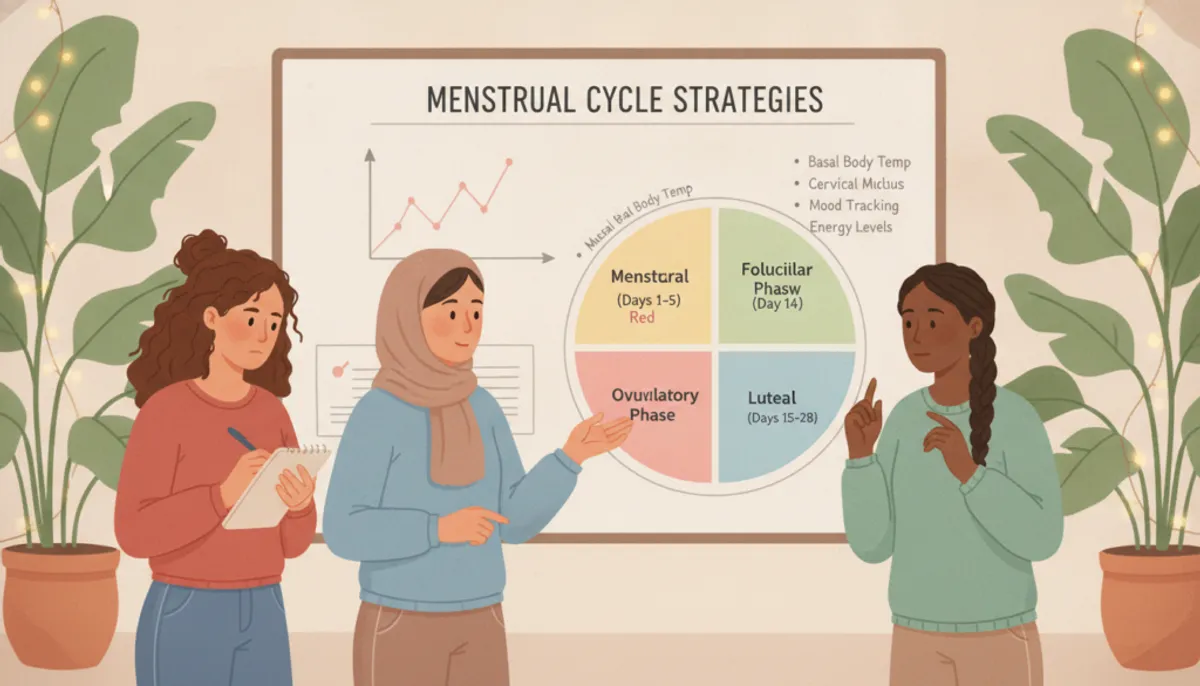
These strategies will help you better understand your cycle and manage the fluctuations that accompany it.
| Strategies | Description | Reliability |
|---|---|---|
| Symptothermal tracking | Observation of cervical mucus and temperature | 98.2% |
| Menstruation tracking | Noting the first day of menstruation | High |
| Tracking apps | Recording daily symptoms | Variable |
Hormone therapy and roles of hormones
Hormones play a central role in the functioning of the menstrual cycle. Among them, estrogen and progesterone are essential for orchestrating physical and emotional changes. FSH, secreted by the pituitary gland, initiates the follicular phase. Meanwhile, LH triggers ovulation when estrogen levels peak.
After ovulation, progesterone is produced by the corpus luteum. This hormone stabilizes the endometrium in preparation for a potential pregnancy. Hormonal fluctuations directly influence mood and energy levels. Some women may experience marked fatigue during these periods.
Understanding the action of each hormone allows for better management of the variations in well-being experienced throughout the menstrual cycle.

Body signals and symptom tracking
Body signals are valuable indicators for navigating the menstrual cycle. Understanding these signals helps in better managing fertility and anticipating changes.
A key element to monitor is the cervical mucus. At the time of ovulation, it becomes clear and elastic, resembling egg white. This signals the peak fertility period.
Additionally, a slight increase in basal temperature, by 0.2 to 0.5 degrees, confirms that ovulation has occurred. Some women may also experience mild pelvic pain during this phase, a natural signal not to be ignored.
Here are some indicators to track:
- Cervical mucus changes texture, signaling the fertility period.
- An increase in basal temperature indicates that ovulation has passed.
- Pelvic pain may occur, indicating ovulation.
- Careful tracking of these symptoms helps to understand fertility.
Impact on fertility and family planning
Female fertility is a crucial aspect to consider in managing reproductive health. The fertile period includes the 5 days preceding ovulation and the 24 hours following the release of the ovum. Understanding your cycle is essential for any family planning, whether to promote or avoid a potential pregnancy.
Here are some key points to remember:
- Fertility is limited to a precise window, including the 5 days before ovulation and the 24 hours following it.
- Reproductive health depends on a good knowledge of fertile days, allowing women to make informed decisions.
- Sperm can survive up to 5 days in the reproductive tract, extending the potential fertility period.
- A pregnancy can be planned more accurately by observing the natural signals of the menstrual cycle each month.
| Elements | Details |
|---|---|
| Fertile period | 5 days before ovulation + 24 hours after |
| Importance of knowledge | Effective family planning |
| Sperm survival | Up to 5 days |
Influence of lifestyle on the menstrual cycle
Healthy lifestyle choices can greatly impact the menstrual cycle. Eating habits, stress, and sleep play a key role in hormone regulation. Thus, paying particular attention to these aspects can improve overall well-being.
Diet, stress, and sleep
A balanced diet, rich in fiber and omega-3s, helps regulate hormones and alleviate premenstrual syndrome. Prolonged stress, on the other hand, can disrupt the hypothalamus, leading to ovulation delays and affecting the regularity of the menstrual cycle.
Sleep is also crucial. Good quality sleep directly influences the follicular and luteal phases, allowing the body to regenerate and better manage hormonal fluctuations.
Physical activity and adapting to the phases of the cycle
Engaging in gentle physical activity, such as yoga, can reduce fatigue and pain experienced during certain phases of the cycle. Adapting one's lifestyle to the needs of the body allows for a better experience of hormonal fluctuations and preservation of health.
| Factor | Impact |
|---|---|
| Stress | Ovulation delays |
| Diet | Hormonal regulation |
| Sleep | Quality of follicular and luteal phases |
| Physical activity | Reduction of fatigue |
Conclusion
In conclusion, knowing how to manage your menstrual cycle can transform women's daily lives. Regularly tracking the first day of menstruation until the next menstruation allows for the identification of the natural variations of each cycle.
Whether to anticipate premenstrual syndrome or to plan for a potential pregnancy, self-knowledge is a major asset. Every woman is unique, and the phases of the cycle can vary in duration and intensity.
In case of persistent pain or very irregular cycles, it is always recommended to consult a healthcare professional. Taking care of your body means respecting the natural rhythm dictated by hormones throughout life.
FAQ
What is the menstrual cycle?
The menstrual cycle is a series of hormonal changes that occur each month in a woman's body, leading to menstruation, ovulation, and variations in the endometrium.
What are common symptoms before menstruation?
Before menstruation, many women experience symptoms such as abdominal pain, mood swings, fatigue, and changes in cervical mucus.
How to track your menstrual cycle?
It is possible to track your cycle by noting the dates of menstruation, observing physical and emotional symptoms, and using tracking apps.
What is the average duration of a menstrual cycle?
The average duration of a menstrual cycle is generally 28 days, but it can vary from 21 to 35 days depending on the woman.
What are the follicular and luteal phases?
The follicular phase begins on the first day of menstruation and ends at ovulation, while the luteal phase begins after ovulation and ends just before the start of the next menstruation.
How does stress affect the menstrual cycle?
Stress can disrupt hormonal balance, leading to irregularities in the cycle, more intense pain, or exacerbated premenstrual symptoms.
What are the effects of estrogen and progesterone on the body?
Estrogen and progesterone regulate the menstrual cycle, influence mood, and play a crucial role in preparing the uterus for a potential pregnancy.
What to do in case of severe menstrual pain?
For severe menstrual pain, it is advisable to consult a healthcare professional who can recommend appropriate treatments, such as anti-inflammatories or other therapeutic options.