
The intrauterine device (IUD), commonly known as a coil, is a reversible contraceptive method. Invented in 1928 by Ernst Gräfenberg, it has transformed reproductive health for millions of women. Today, approximately 150 million women worldwide use it.
In France, in 2023, the IUD has become the first choice in contraception, significantly surpassing traditional oral methods. The term coil is often used by the general public, but health professionals prefer to refer to it as an intrauterine device.
This guide explores the essential differences between copper and hormonal models. Choosing the right model requires an understanding of the mechanisms of action and benefits for each woman. We will help you better understand how this device can meet your contraceptive needs.
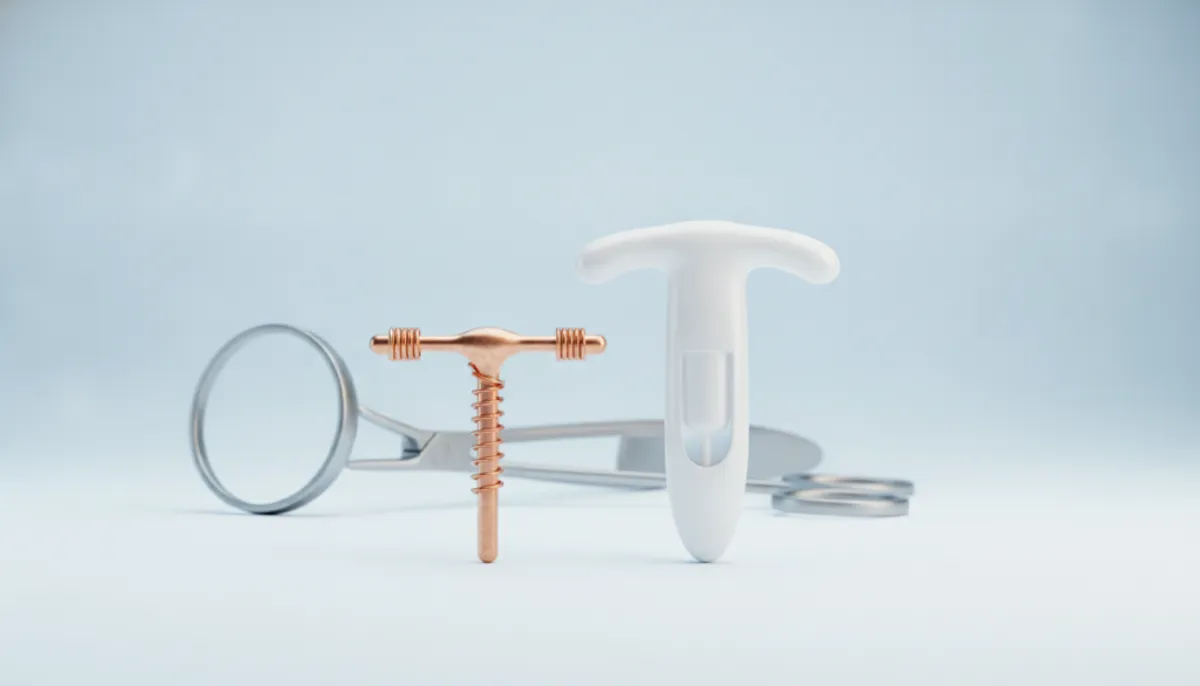
Key Points to Remember
- The coil is an intrauterine device designed for reversible and effective contraception.
- Ernst Gräfenberg revolutionized reproductive health in 1928 with his invention.
- In 2023, the coil is the primary contraceptive method used in France.
- Understanding the differences between copper and hormonal models is crucial.
- This guide helps you tailor the device to your specific needs.
Introduction to the Ultimate Contraception Guide
We offer an overview of the IUD, a popular contraceptive choice. This device is a small T-shaped object inserted into the uterus by a healthcare professional. It prevents fertilization and implantation, thus providing an effective contraceptive method.
The IUD is recognized as the least expensive option for long-term protection. Its duration of use can vary from 5 to 10 years, depending on the chosen model. However, it is important to note that the coil does not protect against sexually transmitted infections, despite some misconceptions.
This guide aims to clarify how the coil works, used by 150 million women worldwide. We will also detail how this device can adapt to your contraceptive needs.
| Feature | Copper IUD | Hormonal IUD |
|---|---|---|
| Duration of use | 5 to 10 years | 3 to 5 years |
| Cost | Less expensive in the long term | May be more expensive |
| Protection against STIs | No | No |
| Side effects | Heavier periods | Irregular periods |
History and Evolution of Intrauterine Devices
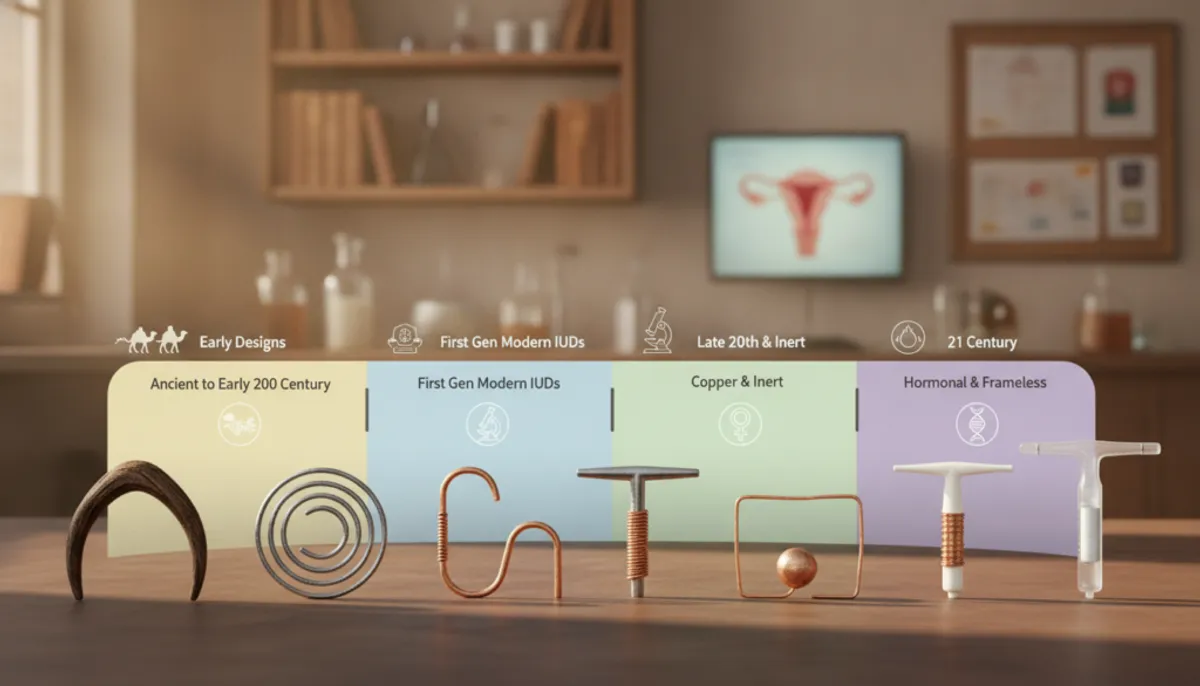
The history of coils reveals a fascinating journey of innovations and challenges. The first device was designed in 1929 by Ernst Gräfenberg, using a silk thread ring. This invention paved the way for further improvements.
In 1960, Lazar C. Margulies created a plastic spiral-shaped coil, making insertion more comfortable. Then, in 1962, Jack Lippes refined the IUD by adding nylon threads, facilitating removal by the physician.
A major turning point occurred in 1969 with Jaime Zipper's discovery of the spermicide properties of copper. This significantly increased the effectiveness of modern coils. However, the 1970s were marked by the Dalkon Shield scandal, which led to serious complications and lasting distrust of these devices.
Today, coils are much safer and incorporate significant technological advancements for the health of women users.
Understanding the Coil: Copper vs. Hormonal
Discovering the characteristics of copper and hormonal coils helps make an informed choice. The coil comes in two main types: the copper coil, hormone-free, and the hormonal coil that releases levonorgestrel. Each type has its own advantages and disadvantages.
Definition of the Coil and IUD
The copper IUD is a contraceptive method alternative to traditional hormonal contraceptives. It primarily works through a sterile inflammatory reaction in the uterus. In contrast, the hormonal IUD releases a progestin hormone, levonorgestrel, directly into the uterine cavity to act locally.
Essential Distinctions Between the Two Types
Clinical studies involving 15,000 woman-years confirm that these two types of devices offer very high contraceptive protection. The copper coil is often identified by its metal surface area in mm², such as the Nova T 200 model, which was withdrawn from the market in 2007 due to reduced effectiveness.
| Type of Coil | Mechanism of Action | Duration of Use |
|---|---|---|
| Copper Coil | Sterile inflammatory reaction | 5 to 10 years |
| Hormonal Coil | Release of progestin | 3 to 5 years |
How It Works and Mechanisms of Action
The functioning of intrauterine devices relies on precise mechanisms that ensure their effectiveness. Each type of coil uses different methods to prevent pregnancy.
Spermicidal Action and Local Inflammation
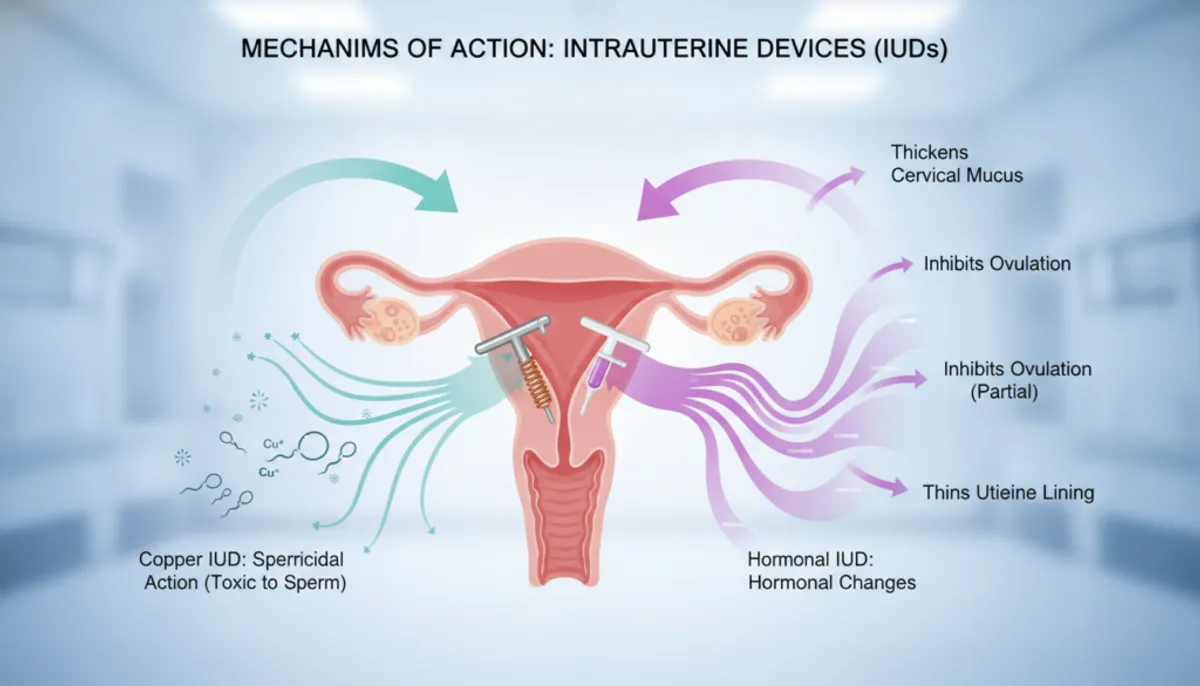
The copper coil primarily works through its spermicide effect. By limiting the mobility of sperm, it makes fertilization difficult. Additionally, this device induces a sterile inflammatory reaction in the uterus, thus preventing the implantation of the egg.
Hormonal Dynamics and Endometrial Changes
The hormonal IUD releases a hormone that thickens cervical mucus. This blocks the passage of sperm to the fallopian tubes. Moreover, this coil decreases the thickness of the endometrium, making the uterus unsuitable for implantation. It may also reduce menstrual flow.
These two distinct modes of action make the coil an extremely reliable contraceptive method for preventing unwanted pregnancies.
| Type of Coil | Mechanism of Action | Effect on the Endometrium |
|---|---|---|
| Copper Coil | Spermicidal action and inflammation | Prevents implantation |
| Hormonal Coil | Thickening of cervical mucus | Reduces endometrial thickness |
Advantages and Disadvantages of Contraceptive Solutions
When choosing a contraceptive method, it is essential to consider the advantages and disadvantages of each option. Coils, whether copper or hormonal, have distinct characteristics that may influence your decision.
Strengths of the Copper Coil
The copper coil offers the advantage of hormone-free contraception. This makes it appealing to many women. However, it may lead to heavier and more painful periods, especially during the first months after insertion.
Benefits and Limitations of the Hormonal Coil
The hormonal coil is often chosen for its benefits on menstrual flow. It reduces the duration and flow of periods, which is particularly advantageous for women suffering from menorrhagia. Nevertheless, side effects such as headaches, acne, or decreased libido may occur.
Additionally, a study published in JAMA in 2024 highlights a 40% increased risk of breast cancer among hormone users. It is therefore crucial to weigh these advantages and disadvantages for your health before choosing the device that suits you.
Impact on the Menstrual Cycle and Women's Health
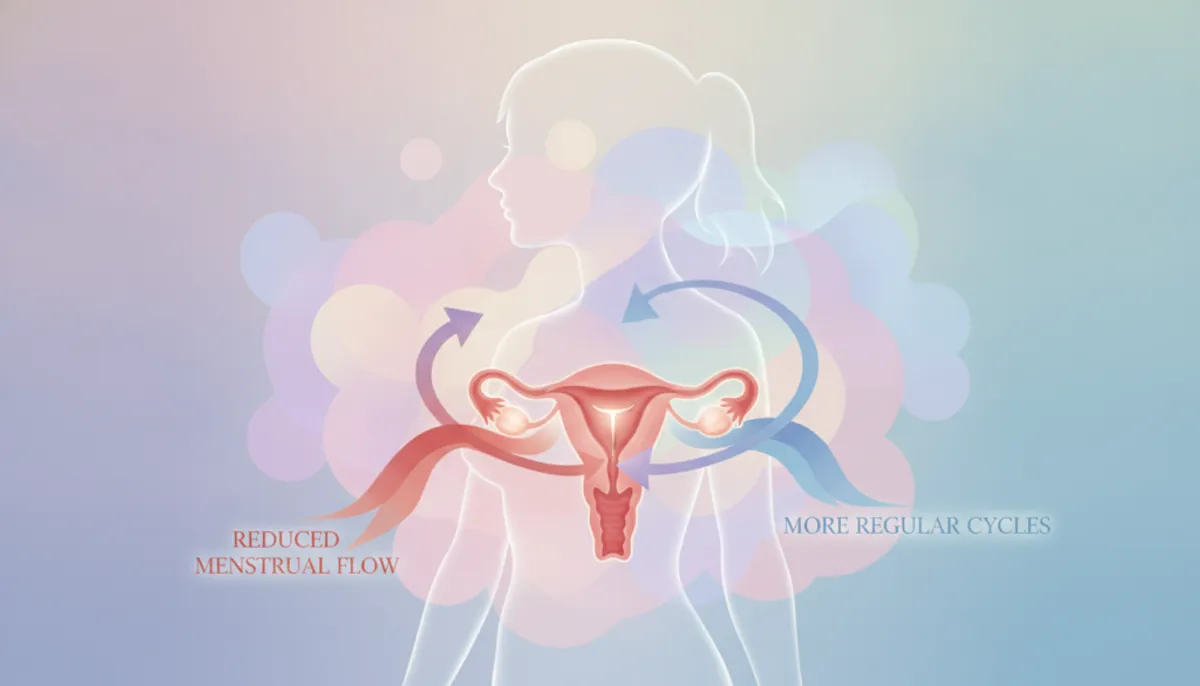
The impact of intrauterine devices on the menstrual cycle is an important topic to consider. The copper coil may make periods heavier and more painful for some women. This can affect their daily comfort and quality of life.
In contrast, the hormonal coil often helps regulate the cycle. It can reduce the duration and flow of periods, or even lead to total amenorrhea. This change can be particularly beneficial for those who suffer from intense menstrual pain.
It is also important to note that some users report a decrease in libido with coils, whether hormonal or copper. Abdominal pain and headaches may also occur after the insertion of an IUD.
Monitoring the effects on your cycle after the insertion of the coil is essential to ensure your comfort and health. Discussing these impacts with a professional allows for better management of pain or bleeding related to the chosen device.
Insertion Procedure, Follow-up, and Safe Removal
The procedure for inserting an IUD is a crucial step to ensure effective contraception. The insertion of the coil is performed by a doctor or healthcare professional during a gynecological examination. This quick intervention uses a speculum to access the cervix.
After placement, regular follow-up is essential. This allows for checking that the device is properly positioned and ensuring the health of the uterus. The removal of the coil is also straightforward. The professional gently pulls on the threads present at the entrance of the cervix.
If there are difficulties during removal, a pelvic ultrasound may be necessary to locate the device. It is advisable to wait six weeks after childbirth to insert a coil, in order to limit the risk of expulsion.
Contraindications and Precautions
Before opting for a coil, it is essential to know the contraindications and precautions to take. Certain situations may restrict the use of an IUD, whether copper or hormonal.
Restricted Use Cases and Special Situations
The insertion of an IUD is not recommended in cases of:
- Possible pregnancy or unexplained uterine-vaginal bleeding.
- Acute pelvic infection or uterine malformation.
- Allergy to copper, which requires an alternative like the hormonal coil.
- History of phlebitis or breast cancer for the hormonal coil.
It is important to check for the absence of uterine malformation before insertion to ensure the safety of the device.
Ways to Prevent and Manage Side Effects
Rigorous medical follow-up allows for the prevention and management of potential side effects. After treating a sexually transmitted infection, the IUD can be safely inserted, provided it is done more than three months after recovery.

Comparison with Other Contraceptive Methods
It is crucial to compare the coil with other contraceptive methods to make an informed choice. The coil stands out for its effectiveness, far surpassing the pill. Indeed, the failure rate of the pill can reach 8% under real-use conditions, while the coil shows a pregnancy rate at one year of only 0.4% for the copper model and 0.2% for the hormonal model.
Effectiveness Compared to the Pill and Other Devices
With an effectiveness of 99%, the coil outperforms the pill. Unlike the latter, the coil does not depend on the daily forgetfulness of the user. Furthermore, the copper IUD is effective from the day of insertion, providing immediate protection.
The hormonal coil, on the other hand, is effective after 7 days if inserted outside the menstrual period. This makes it an interesting choice for some women seeking a reliable method.
Use in Emergency Contraception and Complementarity
The copper IUD can also be used as emergency contraception. It can be inserted up to five days after unprotected intercourse, thus offering a very effective alternative to the morning-after pill.
For some women, the choice between these methods also depends on comfort, such as managing heavier or more painful periods. It is therefore important to discuss with a healthcare professional to find the method that suits you best.
| Method | Failure Rate | Immediate Effectiveness |
|---|---|---|
| Copper IUD | 0.4% | Yes |
| Hormonal IUD | 0.2% | After 7 days |
| Pill | 8% | No |
Conclusion
The choice of a contraceptive device can greatly influence daily well-being. Whether you opt for a copper coil or a hormonal one, each method offers significant advantages.
The insertion and removal by a professional ensure optimal safety throughout the duration of use. Although effects such as bleeding or pain may occur in the first months, they are often temporary and manageable.
We hope this guide has helped you understand the advantages and contraindications to make an informed choice. Do not hesitate to consult your doctor to discuss the best contraceptive option suited to your personal situation.
FAQ
What is a copper intrauterine device?
A copper intrauterine device, often called a copper IUD, is a contraceptive method that releases copper ions to prevent fertilization. It is effective for several years.
What are the advantages of the copper coil?
Advantages include high effectiveness, prolonged duration of use (up to 10 years), and the absence of hormones, making it suitable for some women who prefer to avoid hormonal contraceptives.
How is the insertion of a coil performed?
The insertion is performed by a healthcare professional, usually a gynecologist. It takes a few minutes and may cause mild discomfort, but it is generally quick and safe.
What are the possible side effects?
Side effects may include heavier menstrual bleeding, abdominal pain, or cramps. It is important to discuss these effects with your doctor.
Can a coil be used as emergency contraception?
Yes, a copper IUD can be used as emergency contraception if inserted within five days following unprotected intercourse. This offers effective protection against pregnancy.
What is the difference between a copper coil and a hormonal coil?
The copper coil uses copper ions to prevent fertilization, while the hormonal coil releases hormones to thicken cervical mucus and reduce menstrual bleeding.
Who can benefit from a coil?
Almost all women can benefit from a coil, but some contraindications exist. It is essential to consult a healthcare professional to evaluate the available options.
What is the lifespan of a copper IUD?
A copper IUD can remain in place and be effective for 5 to 10 years, depending on the chosen model. It is important to follow your doctor's recommendations for removal.