
The decrease in libido is a common phenomenon that affects many people at different times in their lives. This fluctuating sexual desire can be confusing and sometimes concerning. This ultimate guide aims to explore the complex mechanisms underlying this reality.
We will analyze the reasons why libido may vary throughout life. By relying on reliable medical data, we aim to make this information accessible to everyone. You will learn to identify the signs of a persistent decrease that may affect your daily life and personal fulfillment.
Our compassionate approach aims to demystify this common issue. We will support you in finding solutions tailored to your situation. By following our advice, you can restore a harmonious intimate life, taking into account physiological and psychological factors.

Key Points
- A decrease in libido is common and can occur at any age.
- Fluctuations in sexual desire are influenced by various factors.
- It is essential to identify the signs of a persistent decrease.
- Tailored solutions can help restore a fulfilling intimate life.
- A compassionate approach facilitates understanding of this phenomenon.
Introduction: Context and Stakes of Decreased Libido
Understanding fluctuations in sexual desire is essential. A decrease in libido often manifests as a significant and persistent reduction in desire, generating personal suffering. This phenomenon can have profound repercussions on the intimate lives of couples.
Here are some key points to consider:
- Sexual desire is an essential component of life, but its decrease can become a major issue within a couple.
- According to experts, this phenomenon is not inevitable and can be overcome through a deep understanding of the underlying causes.
- This guide aims to clarify the stakes related to the loss of desire by proposing concrete avenues for each individual.
- We will address the emotional impacts that this issue can generate, in order to foster better communication between the concerned partners.
- The goal is to provide you with tools to regain lasting serenity, away from the pressures related to sexual performance.
What is Libido?
Sexual energy, known as libido, evolves over time. It represents an essential component of our intimate life. Sexual desire naturally varies in both men and women, influencing their relationships.
Research shows that the absence of desire affects a significant minority. Indeed, a study conducted on 12,000 people aged 18 to 69 reveals that 1.9% of men and 6.8% of women suffer from insufficient desire.
It is crucial to understand that sexual life is not linear. Fluctuations in desire are completely normal and frequent. Understanding these variations allows for better acceptance of one's own nature.

- Libido, or sexual desire, is a vital energy that varies naturally.
- Data indicates that the absence of desire affects a minority.
- Understanding these fluctuations helps to avoid unnecessary worry.
Decreased Libido: Understanding the Phenomenon
It is crucial to explore the reasons behind the decrease in sexual desire. Approximately 28% of men experience periodic decreases in libido, as shown by the Global Sexual Attitudes And Behaviour Study. This figure indicates that this phenomenon is more common than one might think.
At least 1 in 5 men is affected by this disorder, which can create tensions within the couple. When partners' needs are no longer aligned, sexual desire may fade, making communication essential.
Recognizing early symptoms, such as lack of interest, is vital. This helps prevent the situation from becoming a lasting problem. Hypolibido, which affects about 3.9% of the male population, also requires special attention to maintain the couple's balance.
Physiological and Hormonal Causes
Physiological factors play a crucial role in sexual desire. Indeed, around 40% of women and 10% of men will encounter sexual problems due to medical causes during their lives.
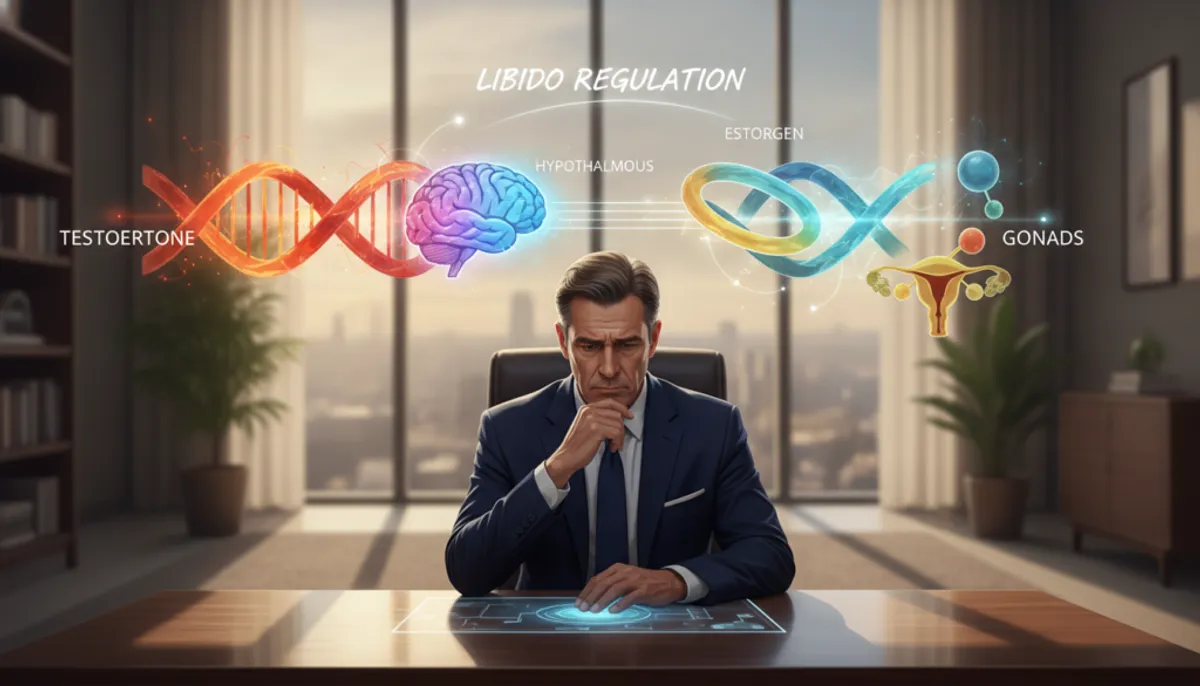
Hormonal health is essential. Testosterone levels, for example, directly influence sexual desire. Diseases such as diabetes or thyroid disorders can also affect libido.
Moreover, the intake of certain medications can alter the functions necessary for a fulfilling intimate life. In each case, a complete medical assessment is recommended to identify if an organic cause is behind the problem.
- 40% of women and 10% of men encounter a sexual problem related to an underlying condition.
- Hormonal health, particularly testosterone levels, plays a decisive role in maintaining healthy sexual desire.
- Diseases such as diabetes or thyroid disorders can directly influence libido.
- The intake of certain medications can alter the physiological functions necessary for sexual fulfillment.
- A complete medical assessment is recommended to identify the organic causes of the decrease.
Psychological and Relational Factors
Emotions and relational dynamics can influence sexual desire. Indeed, factors such as stress, anxiety, and depression play a significant role in libido.
A study reveals that 25% of the European population suffers from depression or anxiety, which affects sexual desire. Chronic stress, for example, increases cortisol, leading to a lack of libido in the most exposed individuals.
Among individuals suffering from depression, 33% of men and 42% of women report a marked decrease in their libido. Communication within the couple is crucial to defuse tensions related to these often invisible psychological disorders.
Appropriate therapy can help manage anxiety and restore a positive dynamic between partners despite difficulties. By working together, couples can overcome these challenges and regain a fulfilling sexual desire.
The Impact of Treatments and Medications
Medical treatments can have unexpected repercussions on sexual desire. In particular, some medications prescribed for depression, such as SSRIs, are often associated with a decrease in libido.
It is essential to consult a doctor to discuss any issues related to taking specific medications. Overall health should not be sacrificed, and alternatives may sometimes be proposed to limit the impact on desire.
Antipsychotics and diuretics are also known to negatively influence sexual response in many individuals. Never stop a treatment without medical advice, as the doctor can adjust doses to improve your daily comfort.
| Medication | Type | Impact on Libido |
|---|---|---|
| SSRIs | Antidepressant | Possible decrease |
| Antipsychotics | Antipsychotic | Altered sexual response |
| Diuretics | Diuretic medication | Negative impact |
Effects of Contraception and Menopause on Libido
The impact of contraceptives and menopause on libido is often underestimated. These factors can have notable consequences on women's sexual desire.
The hormonal contraception, for example, can influence libido, although the effects vary significantly from person to person. At menopause, the drop in estrogen and testosterone is a common case explaining the decrease in desire.
After childbirth, it is common for women to experience a decrease in satisfaction for up to 18 months after the birth. Therefore, it is essential not to feel guilty, as these hormonal changes are natural processes.
Care from a gynecologist allows for the adaptation of solutions, such as hormone replacement therapy, according to each case. This can help restore a fulfilling intimate life.
Stress, Fatigue, and Mental Health: A Vicious Cycle
Stress and fatigue are often linked to a decrease in sexual desire. These factors can create a negative impact on mental health, leading to a lack of libido and desire. Indeed, the body prioritizes vital functions at the expense of desire.
Here are some consequences on sexual desire:
- Chronic fatigue often leads to a lack of libido, as the body focuses on survival.
- Adopting a healthy lifestyle, including 8 hours of sleep, helps reduce fatigue and regain energy.
- Stress, by increasing cortisol secretion, harms mental health and decreases the desire to get close to one's partner.
- Engaging in regular physical activity releases endorphins, thus promoting a better balance for sexual desire.
- Taking time for oneself is an effective strategy to break the vicious cycle of overwork and restore vitality.

Therapeutic Approaches and Natural Solutions
There are several ways to address difficulties related to sexual desire. These methods can help restore balance in couples' intimate lives. Sex therapy, for example, proves to be an effective option for overcoming psychological blocks.
In parallel, natural treatments can also support libido. Here are some solutions to consider:
- Sex therapy offers effective solutions to address psychological blocks that hinder sexual desire within the couple.
- For men, shockwave therapy shows an average effectiveness of 64% in treating erectile dysfunction.
- Natural dietary supplements, such as ginseng or maca, can be complementary solutions to stimulate libido.
- Couples therapy allows for the restoration of healthy communication, essential for overcoming difficulties related to lack of desire.
- Before starting any natural treatment, it is recommended to consult a professional to ensure a safe and tailored approach.
| Type of Therapy | Effectiveness | Comment |
|---|---|---|
| Sex Therapy | High | Treats psychological blocks |
| Shockwave Therapy | 64% | For erectile dysfunction |
| Natural Supplements | Variable | Stimulates libido |
Practical Tips to Revive Intimacy in the Couple
Reviving intimacy within a couple may seem challenging, but a few practical tips can greatly help. Open communication between partners is the main lever to defuse tensions and strengthen sexual desire.
Here are some suggestions to stimulate desire and pleasure:
- Spending tender moments without performance pressure helps the partner feel safe and valued.
- Planning romantic evenings allows for breaking the routine and stimulating the desire to reconnect.
- Honest communication about needs and fantasies is a powerful tool to enhance shared pleasure.
- Trying new activities together can rekindle the flame and strengthen emotional closeness between the two partners.
- It is crucial to remember that intimacy is not limited to sexual acts but encompasses all forms of closeness.

Conclusion
An evolving sexual desire requires a nuanced and thoughtful approach. The decrease in libido is a complex phenomenon that necessitates exploring the underlying causes. Whether it is a lack of communication or a medical factor, each situation is unique.
Never hesitate to consult a doctor for an accurate diagnosis and solutions tailored to your personal situation. The support of your partner, combined with compassionate communication, is essential to maintain love despite fluctuations in desire.
With the right strategies, it is entirely possible to regain a fulfilling and harmonious sexual life in the long term.
FAQ
What are the common causes of a decrease in sexual desire?
The causes can be varied, including physiological factors such as hormonal changes, health issues, or psychological elements such as stress and anxiety.
How can communication in the couple influence libido?
Open and honest communication can strengthen intimacy and desire. Avoiding unspoken issues and sharing feelings helps better understand each other's needs.
What treatments exist to remedy a loss of libido?
There are several options, ranging from psychological therapies like sex therapy to medical treatments. Natural solutions, such as certain dietary supplements, can also be considered.
Does fatigue impact sexual desire?
Yes, fatigue can reduce energy and desire, creating a vicious cycle. Taking care of mental and physical health is essential to maintain a fulfilling sexual life.
What are the signs of a decrease in libido to watch for?
Signs include a decrease in interest in sexual intercourse, difficulties in achieving arousal, or a lack of pleasure during intimate relations.
How can stress affect libido?
Stress can lead to high levels of anxiety, which harms libido. It is important to find ways to manage stress to promote healthy sexual desire.
Does menopause influence sexual desire in women?
Yes, menopause can lead to hormonal changes that affect libido. It is advisable to consult a healthcare professional to discuss available options.
What activities can help revive intimacy in the couple?
Participating together in new activities, such as dance classes or romantic outings, can strengthen the bond and stimulate desire.