
The vaginal yeast infection is a common intimate infection that affects many women at least once in their lifetime. It is often caused by the overgrowth of the fungus Candida albicans, which can disrupt daily comfort. Although generally benign, this infection can become very uncomfortable if not treated promptly.
The ELSAN group, a leader in private hospitalization in France, emphasizes the importance of consulting a healthcare professional for medical advice. Understanding what a yeast infection is helps to better grasp the mechanisms of this pathology and adopt the right actions to avoid unnecessary complications.
In this article, we will explore the causes, symptoms, and prevention strategies to protect your intimate health on a daily basis. Knowledge of this infection is essential for maintaining a good balance and optimal well-being.

Key Points to Remember
- The vaginal yeast infection is a common infection among women.
- A medical opinion is often necessary for appropriate treatment.
- Understanding this infection helps better manage its impact.
- Quick management can reduce discomfort.
- It is crucial to distinguish this infection from others.
Understanding the Infection and Its Impact
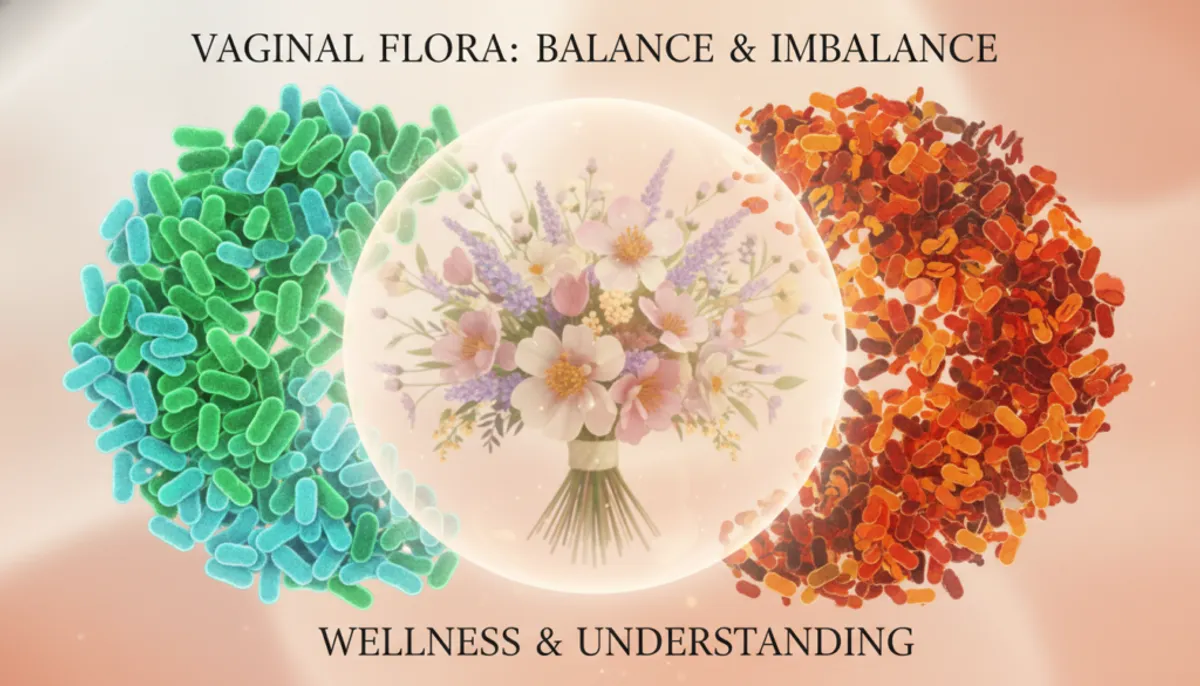
An imbalance in the vaginal flora can lead to a yeast infection, affecting many women. This infection is caused by the excessive proliferation of the fungus Candida albicans, which is naturally present in the vagina. When this balance is disrupted, it can have significant consequences for intimate health.
A balanced flora maintains an acidic pH, which is essential for well-being. In case of imbalance, pain and itching can make daily life difficult. Studies show that the majority of women will experience at least one episode of this infection during their lifetime.
The psychological and social impact of this yeast infection is real. Physical discomfort can limit social interactions and affect overall well-being. It is crucial to understand that the vagina has a fragile ecosystem, requiring special attention to remain healthy.
Causes and Factors Leading to Imbalance in Vaginal Flora
A disruption of the natural balance of vaginal flora is often the cause of yeast infections. The Döderlein flora, composed of lactobacilli, maintains an acidic pH around 4. This pH is essential to prevent the proliferation of Candida albicans.
The use of antibiotics is one of the main factors leading to imbalance. These medications destroy protective good bacteria, weakening the vaginal flora. Additionally, excessive hygiene, such as frequent use of aggressive vaginal douches, can also cause this imbalance.
Chronic stress and hormonal fluctuations are other elements that promote the proliferation of the fungus responsible for the yeast infection. This imbalance weakens the mucosa and allows the fungus to multiply, leading to an uncomfortable infection.
Characteristic Symptoms to Recognize
It is essential to recognize the signs of an intimate infection to act quickly. Symptoms can vary, but some are particularly common.
Itching, Burning, and Irritation
Intense itching in the vulva and vagina is often the first symptom indicating a fungal infection. Additionally, burning sensations during urination or at rest may accompany this yeast infection, increasing overall discomfort.
Irritation of the vulva, manifested by redness and swelling, is an associated sign that requires special attention.
Abnormal Vaginal Discharge and Specific Signs
The presence of thick, white, and curd-like vaginal discharge is a very common clinical indicator. Recognizing these symptoms allows for a quick response, although self-diagnosis can sometimes be misleading in the face of other gynecological infections.
Diagnosis and Medical Consultation
A precise medical diagnosis is essential for effectively treating infections. It is recommended to consult a doctor if you experience suggestive symptoms. A thorough examination will provide a reliable diagnosis and rule out other health issues.
The doctor or midwife conducts a clinical examination of the vulva to confirm the diagnosis of yeast infection. Here are some key points to remember regarding the importance of this process:
- It is essential to consult a doctor to establish an accurate diagnosis, as symptoms may resemble those of bacterial vaginosis.
- The doctor typically performs a clinical examination of the vulva and vagina to observe inflammation and the appearance of discharge.
- Self-diagnosis has real limitations, as sexually transmitted infections can cause clinical signs similar to this yeast infection.
- In case of doubt, the doctor may perform a vaginal swab to confirm the presence of Candida albicans and exclude other infections.
- A reliable medical diagnosis is the only way to avoid a treatment error that could delay the patient's recovery.

Antifungal Treatments: Medications and Best Practices
Antifungal treatments are essential for combating infections. They include options such as suppositories, creams, and tablets. Each of these solutions has its specifics and mode of action.
Fluconazole, administered as a single dose of 150 mg, is often prescribed to effectively treat the yeast infection. It acts quickly to eliminate the fungus responsible for the infection.
It is important not to engage in self-medication. If symptoms persist for more than 7 days, it is advisable to consult a doctor. This allows for treatment adjustments and helps avoid complications.
Suppositories, Creams, and Antifungal Tablets
Antifungal creams are applied locally to the vulva. They quickly relieve itching and irritation. Suppositories, on the other hand, act directly inside the vagina to eradicate the fungus.
When to Avoid Self-medication
It is crucial to follow the doctor's recommendations. This ensures the effectiveness of treatments and helps prevent recurrences. Here is a summary table of treatment options:
| Type of Treatment | Form | Usage | Notes |
|---|---|---|---|
| Fluconazole | Tablet | Oral, single dose | Prescribed for simple cases |
| Antifungal Suppositories | Suppository | Intravaginal | Targeted action on the infection |
| Antifungal Creams | Cream | Local application | Soothing itching |
Natural Approaches and Complementary Solutions
Many women turn to natural approaches to support their intimate health. Among these methods, probiotics are often considered an effective supplement after antibiotic treatment.
Although scientific evidence is still limited, these gentle solutions can soothe the symptoms of yeast infection. Here are some key points to remember:
- Probiotics help restore the balance of the intimate flora.
- These remedies do not replace antifungals prescribed by a doctor.
- They aim to strengthen the protective flora, limiting the proliferation of fungi.
- Natural approaches can offer valuable support for daily comfort.
By integrating these gentle methods, women can improve their intimate well-being while following appropriate medical advice.

Prevention Through Proper Intimate Hygiene
To prevent infections, appropriate intimate hygiene is essential. This involves using gentle products that respect the pH of the vaginal flora. Good hygiene helps maintain the balance necessary to avoid yeast infections.
Here are some practical tips:
- Use products with physiological pH to respect the natural flora.
- Prefer cotton underwear to allow the skin to breathe and reduce moisture in the intimate area.
- Thoroughly dry the intimate area after using the toilet to avoid persistent moisture, a major risk factor.
- Avoid vaginal douches, as they destroy the protective lactobacilli necessary for vaginal health.
- Adopt healthy lifestyle habits, such as quickly changing out of wet swimsuits, to prevent the onset of this yeast infection.
Vaginal Yeast Infection: A Complete Guide to Actions and Attitudes
To effectively manage a yeast infection, it is essential to adopt appropriate actions. This guide will help you identify the symptoms and act effectively.
If in doubt, do not hesitate to use teleconsultation. Platforms like Medadom allow you to obtain quick medical advice. This can help you receive treatments tailored to your needs without waiting for a physical appointment.
It is crucial not to trivialize the symptoms. Quick management limits the risk of complications. Learn to recognize warning signs to consult a doctor as soon as the first discomforts appear.
Managing this infection requires a holistic approach. Combine rigorous hygiene with regular medical follow-up to ensure optimal health.

Specific Advice for Pregnant Women
During pregnancy, the risk of yeast infection increases due to hormonal changes. Alterations in the vaginal microbiota make some women more vulnerable to this infection. Therefore, it is essential to remain vigilant.
Treating yeast infection in pregnant women must be strictly supervised by a doctor. This ensures the safety of the baby while alleviating symptoms. Self-medication is strongly discouraged, as some oral antifungals may be contraindicated.
Midwives are also trained to diagnose and prescribe appropriate treatments. Regular medical follow-up is essential to prevent recurrences and ensure the well-being of the pregnant woman.
Impact on Daily Life and Sexual Health
Fungal infections can disrupt women's daily lives, particularly by affecting their sexual health. Pain during sexual intercourse is a common issue that can create tension in relationships.
This situation can lead to psychological stress. Physical symptoms, such as itching and odors, can harm self-confidence and self-esteem.
Here are some key points to consider:
- The genital yeast infection can cause pain during sexual intercourse, thus affecting confidence and relationship dynamics.
- Chronic stress and anxiety related to the physical symptoms of the yeast infection can alter women's psychological well-being.
- The discomfort caused by itching and odors can make sexual intercourse less frequent and more difficult to endure.
- It is important to communicate with your partner to manage the impact of this yeast infection on sexual and relational life.
- Consulting a doctor allows for the treatment of these symptoms and the restoration of a fulfilling intimate life without constant apprehension.
Complications Related to Diabetes and HIV
Certain medical conditions, such as diabetes and HIV, can increase the risk of fungal infections. Indeed, poorly controlled diabetes raises the risk of yeast infection. This is due to glycosuria and hyperglycemia, which alter the pH of the vagina, thus promoting fungal proliferation.
People living with HIV are also more exposed to complications from this infection. Their weakened immune system makes them vulnerable to yeast infections, which may manifest more severely.
In men, genital candidiasis may present as redness and a whitish deposit on the glans, requiring appropriate treatment. Additionally, a fungal infection can spread throughout the body in immunocompromised individuals, making treatment more complex and necessary.
Specialized medical follow-up is therefore essential for diabetic or HIV-positive patients to prevent any serious infection.
| Condition | Risk of Infection | Treatment Particularities |
|---|---|---|
| Diabetes | High | Regular follow-up and blood sugar control |
| HIV | Very High | Antifungals and immunological care |
Strategies to Prevent Long-term Recurrences
To prevent infections from recurring, it is crucial to adopt effective strategies. Recurrent yeast infections, defined as those occurring more than four times a year, require special attention. Regular medical follow-up is essential to identify the underlying causes of the infection.
In cases of frequent recurrences, the doctor may recommend prolonged antifungal treatment. This helps break the cycle of recurrent infections. At the same time, it is important to integrate self-prevention measures into your daily routine.
Here are some practical tips:
- Wear cotton underwear to promote air circulation.
- Consult a doctor to rule out other possible causes, such as bacterial vaginosis.
- Adopt appropriate intimate hygiene to maintain the balance of vaginal flora.
- Strengthen the immune system through a balanced diet and probiotics.
- Avoid vaginal douches, which can disrupt the natural flora.
A combined approach of medical care and good hygiene practices is key to preventing recurrences of yeast infection.
| Strategy | Action | Objective |
|---|---|---|
| Medical Follow-up | Regular consultations | Identify underlying causes |
| Antifungal Treatment | Prolonged prescription | Break the cycle of recurrences |
| Intimate Hygiene | Use of gentle products | Maintain the balance of flora |
Conclusion
It is crucial to pay attention to women's intimate health, especially regarding infections. The vaginal yeast infection is a benign but very uncomfortable infection that requires special attention to preserve your well-being. By understanding the causes and adopting the right prevention measures, it is possible to limit the risk of frequent recurrences.
It is essential not to hesitate to consult a doctor as soon as the first symptoms appear to obtain treatments quickly. Comprehensive management, including hygiene and medical follow-up, is the key to regaining a peaceful quality of life.
We hope this guide has helped you better understand this pathology and protect your well-being on a daily basis.
FAQ
What is a vaginal yeast infection?
A vaginal yeast infection is an infection caused by excessive proliferation of fungi, usually of the Candida type, in the vaginal flora. This can lead to various uncomfortable symptoms.
What are the symptoms of a vaginal yeast infection?
Symptoms include itching, burning, irritation, as well as abnormal vaginal discharge, often white and thick.
How can I prevent a vaginal yeast infection?
To prevent an infection, it is advisable to maintain good intimate hygiene, wear cotton underwear, and avoid irritating products. A balanced diet and stress management are also important.
When should I consult a doctor?
It is recommended to consult a doctor if you experience persistent or recurrent symptoms, in order to obtain an accurate diagnosis and appropriate treatment.
What treatments are available for a vaginal yeast infection?
Treatments include suppositories, creams, and antifungal tablets. It is essential to follow medical recommendations and avoid self-medication.
Are pregnant women at higher risk?
Yes, pregnant women may be more susceptible to infections due to hormonal changes and a modified immune system.
What factors can cause an imbalance in vaginal flora?
Antibiotics, stress, hormonal fluctuations, and excessive hygiene can all contribute to an imbalance in vaginal flora, thus promoting infections.
Are there natural solutions to treat a vaginal yeast infection?
Yes, the use of probiotics and certain gentle remedies can help restore the balance of the vaginal flora, but it is important to consult a healthcare professional before trying these methods.