
The contraceptive patch is a hormonal contraception method that is gaining attention. Although it is used by only 1 to 2% of women of childbearing age, it offers an interesting alternative to the pill. This device releases hormones through the skin, thus simplifying daily monitoring for users.
It is important to note that, although it is effective, the patch does not protect against sexually transmitted infections. A medical prescription is required before its use. This type of contraception releases hormones similar to those in combined pills, which may be suitable for some patients.
Understanding the advantages and limitations of this method is essential for making an informed choice. By weighing the options, women can find the solution that best suits them.

Key Points to Remember
- The patch is a hormonal contraception method.
- Used by only 1 to 2% of women.
- Continuous release of hormones through the skin.
- Does not protect against sexually transmitted infections.
- Requires a medical prescription.
Understanding the Contraceptive Patch
An innovative transdermal device, the contraceptive patch releases hormones directly into the bloodstream. This method aims to prevent unwanted pregnancies. According to public health data, it is less commonly used than other options like the pill or the IUD.
The patches are designed to be worn on the skin. They offer a discreet alternative for women seeking a reliable and practical solution for daily use. To learn more about this device, it is recommended to consult a healthcare professional.
The contraceptive patch measures 5 cm by 5 cm, often in a flesh color. It ensures a constant hormonal release during its use, making it simple and effective to use.
| Features | Details |
|---|---|
| Type | Transdermal device |
| Size | 5 cm x 5 cm |
| Duration of use | One week |
| Release | Synthetic hormones |
How Does the Contraceptive Patch Work?
By releasing hormones, this device effectively influences fertility. The contraceptive patch releases 20 mg of estrogen and a progestin into the bloodstream. This blocks ovulation and thickens cervical mucus, making it difficult for sperm to pass.
This system also acts on the endometrium, thinning it to create unfavorable conditions for implantation. This process simulates the functioning of an estrogen-progestin pill.
The patch is effective for 7 continuous days. It is essential to follow a 3-week wearing cycle, followed by a week without the patch. If the patch is applied outside the first day of menstruation, the use of a condom is recommended for the following 7 days to ensure effectiveness.
The Advantages of the Contraceptive Patch
This contraceptive approach has undeniable strengths. According to the High Authority of Health, the theoretical effectiveness of the contraceptive patch reaches 99.7% when used correctly, without any missed doses.
One of the main advantages is the reduction in the risk of forgetting. Unlike the daily pill, the patch only requires a weekly change. This greatly simplifies usage for women.
Moreover, this device ensures a constant release of hormones, guaranteeing stable protection even in cases of vomiting or transient diarrhea. This method is appreciated for its simplicity, offering total autonomy.
Furthermore, the patch can help alleviate symptoms of premenstrual syndrome, making periods less painful and less heavy.
The Limitations and Risks Associated with This Contraception
It is crucial to be aware of the limitations of this contraception method. Like any hormonal method, the patch presents thromboembolic risks. This includes cases of phlebitis or stroke, especially in at-risk patients.
Side effects should also be taken into account. Among the most common are headaches, nausea, and painful swelling of the breasts. Mood or weight fluctuations may also occur.
To obtain this device, it is dispensed in pharmacies only with a prescription. A consultation with a doctor or a gynecologist is necessary to assess medical history.
It is imperative to report any suspected side effects to your healthcare professional. This allows for rigorous monitoring of your health and hormonal contraception.

Contraindications and Precautions for Use
It is essential to be aware of the contraindications and precautions related to the use of this method. Certain specific situations may make the use of the contraceptive patch inappropriate.
Women over 35 who smoke should avoid this device. This is due to an increased risk of serious cardiovascular complications. Additionally, a history of breast, endometrial, or ovarian cancer constitutes major contraindications.
Patients suffering from severe hypertension, diabetes with vascular damage, or liver diseases should also avoid this device. A consultation with a doctor or a gynecologist is essential to identify any illness or risk factor.
If in doubt about your risk profile, it is recommended to use a condom while discussing other options with a healthcare professional.
| Situation | Contraindication |
|---|---|
| Women over 35 who smoke | Increased cardiovascular risk |
| History of cancer | Major contraindication |
| Severe hypertension | Avoid use |
| Diabetes with vascular damage | Avoid use |
Usage and Practical Tips for the Patch
For optimal use, it is essential to follow certain recommendations. The contraceptive patch should be applied to clean, dry, and hairless skin. Avoid areas prone to friction or skin irritation.
It is advisable to change the patch's location each week to prevent irritation. This also ensures good adherence to the body. The week without the patch allows for the appearance of withdrawal bleeding, but it is possible to wear the patches continuously to avoid these periods.
Avoid applying creams, lotions, or powders to the chosen area. This could decrease the device's adherence and compromise its effectiveness. The patch is designed to withstand water, allowing for showers or baths without the risk of premature detachment.
| Tips | Details |
|---|---|
| Application | On clean and dry skin |
| Change | Every week |
| Avoid | Creams and lotions |
| Resistance | Water-resistant |

Step-by-Step Guide for Applying the Patch
Knowing how to apply the patch can make all the difference in its effectiveness. Here is a simple guide to help you use it correctly.
Step 1: Choose the Location and Prepare the Skin
Choose a visible spot on your skin, like the upper arm or abdomen. Ensure that the area is clean and dry. This promotes good adherence.
Step 2: Application, Renewal, and Managing Missed Changes
Stick the new patch onto the skin and ensure it adheres well. Change it every week on the same day to maintain constant protection. In case of detachment, if less than 24 hours have passed, you can reapply it or apply a new patch. If the detachment lasts more than 24 hours, use a condom for the next 7 days to avoid the risk of pregnancy.
To avoid missed changes, choose a visible and convenient location. If you have had unprotected intercourse in the 5 days prior to a missed change, emergency contraception is recommended.
| Action | Details |
|---|---|
| Application | On clean and dry skin |
| Change | Every week |
| In case of detachment | Reapply or apply a new patch |
| Missed change | Use a condom for 7 days |
Comparison with Other Contraceptive Methods
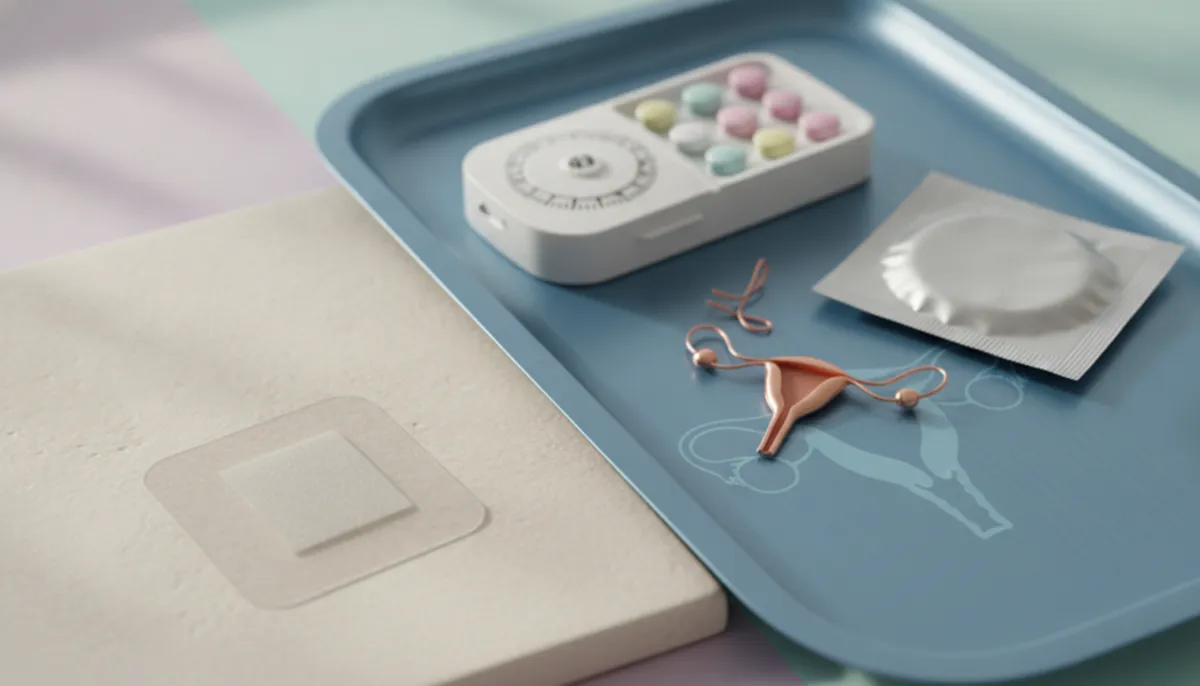
Evaluating contraceptive alternatives helps in choosing the method that best suits one's needs. The contraceptive patch is often compared to the 3rd generation pill. Although it is less commonly used than the IUD or the classic pill, it offers unique advantages.
Unlike the pill, the patch provides continuous effectiveness. This feature is not affected by digestive disorders, which is a major asset for users.
It is also important to note that, like any method, the patch does not protect against STIs. This makes the use of a condom essential for complete protection.
In some cases, the patch is seen as a less burdensome alternative for women who have difficulty adhering to a daily regimen. In terms of practical effectiveness, the patch is estimated to be 91% effective, taking into account user errors.
Cost, Accessibility, and Purchasing Tips
For women, understanding the cost and accessibility of contraceptive methods is essential. The contraceptive patch is available at pharmacies only with a prescription from a doctor, a gynecologist, or a midwife.
The cost of a box of 3 patches is about €15, while a box of 9 patches costs around €34. It is important to note that these prices are not reimbursed by health insurance.
To learn more about reimbursement options or explore other choices, feel free to ask your pharmacist. Also, make sure to always have a box in advance to avoid any interruption in your contraception in case of stock shortages.
Medical Follow-Up and Management of Side Effects
Regular medical follow-up is essential for users of this contraception method. This allows monitoring of the risks of phlebitis, hypertension, or diabetes. Each woman should consult her doctor at least once a year.
It is important to report any side effects, such as breast pain, sporadic bleeding, or mood swings. This information helps the doctor assess your health and adjust treatment if necessary.
In case of a missed change or detachment lasting more than 24 hours, use a condom and consult your doctor to assess the risk of unwanted pregnancy. The patch contains hormones that require increased vigilance, especially in women over 35 or those with chronic illnesses.
Reporting any adverse effects to pharmacovigilance is an essential step to ensure the safety of this hormonal contraception.

Conclusion
The hormonal contraception method offers a practical and effective solution for many women. When choosing the contraceptive patch, it is crucial to respect the contraindications and the application protocol. This ensures optimal protection against unwanted pregnancies.
Regular consultations with a healthcare professional ensure that this method is suitable for your profile and specific needs. To learn more about available options, do not hesitate to discuss with your doctor the benefits and limitations of this device.
By staying informed and vigilant, you can use this method with peace of mind while preserving your long-term reproductive health.
FAQ
What is a contraceptive patch?
It is a hormonal device that sticks to the skin to prevent pregnancy. It releases hormones into the blood, similar to those in the pill.
How to use the patch?
The patch should be applied to clean, dry skin. It is changed weekly for three weeks, followed by a week without the patch.
What are the advantages of the patch?
It offers a discreet and easy-to-use contraception method, with effectiveness comparable to that of the pill.
Are there risks associated with its use?
Yes, like any hormonal contraceptive, there can be side effects, including nausea, headaches, or thromboembolic risks.
Who should not use the patch?
Women with a history of thrombosis, hypertension, or certain cancers should consult a doctor before using it.
What to do in case of a missed patch change?
If you forget to change the patch on time, follow the instructions provided in the leaflet or consult your doctor for tailored advice.
Can the patch cause irregular bleeding?
Yes, irregular bleeding may occur, especially during the first months of use. This may stabilize over time.
How to obtain it?
The patch is available at pharmacies, with a prescription from a doctor. It is important to consult a healthcare professional for personalized advice.
Can the patch be used while breastfeeding?
The use of the patch during breastfeeding should be discussed with a doctor, as hormones may affect lactation.
What are the long-term effects of the patch?
The long-term effects are not yet fully known, but studies show that it is generally safe for prolonged use.