
The link between stress and libido is complex. Sexual desire is often the first indicator of an organism in a state of survival. According to Magalie Singh, a sex therapist in Paris 8th, accumulated fatigue can affect the quality of our intimate life.
When chronic stress sets in, the body mobilizes its alarm system. This disrupts hormonal production, including testosterone in men. This phenomenon can lead to a decrease in desire, often perceived as a defense mechanism in response to emotional disturbances.
Understanding these mechanisms is essential to regain balance. Desire needs space and security to express itself fully. In some cases, stress can be perceived as a threat, causing the body to prioritize sleep and survival over arousal.

Key Points
- Desire is a barometer of the nervous state.
- Fatigue impacts the quality of intimate life.
- Chronic stress disrupts hormonal production.
- A decrease in desire is a response to persistent anxiety.
- Understanding these mechanisms helps restore balance.
Introduction and Context
It is essential to understand how well-being affects our intimate desire. The World Health Organization (WHO) defines mental health as a state of well-being that allows one to face the sources of stress in life. This mental health plays a key role in our daily lives.
According to Laura Talmasson, libido is influenced by the quality of the relationship with one’s partner. A good emotional balance is crucial for maintaining a constant sexual desire. Poor mental health can lead to deep fatigue, distancing partners from intimacy.
The link between desire and well-being is complex. A good quality of life does not always guarantee a stable libido. It is important to note that desire can fluctuate, and the way we manage stress influences our overall balance.
Sleep also plays a crucial role in this dynamic. A lack of rest can prevent the body from feeling available for the other. Analyzing these issues allows individuals to feel less guilty about a decrease in desire, which is not necessarily related to the relationship.

Stress and Libido: Physiological and Hormonal Mechanisms
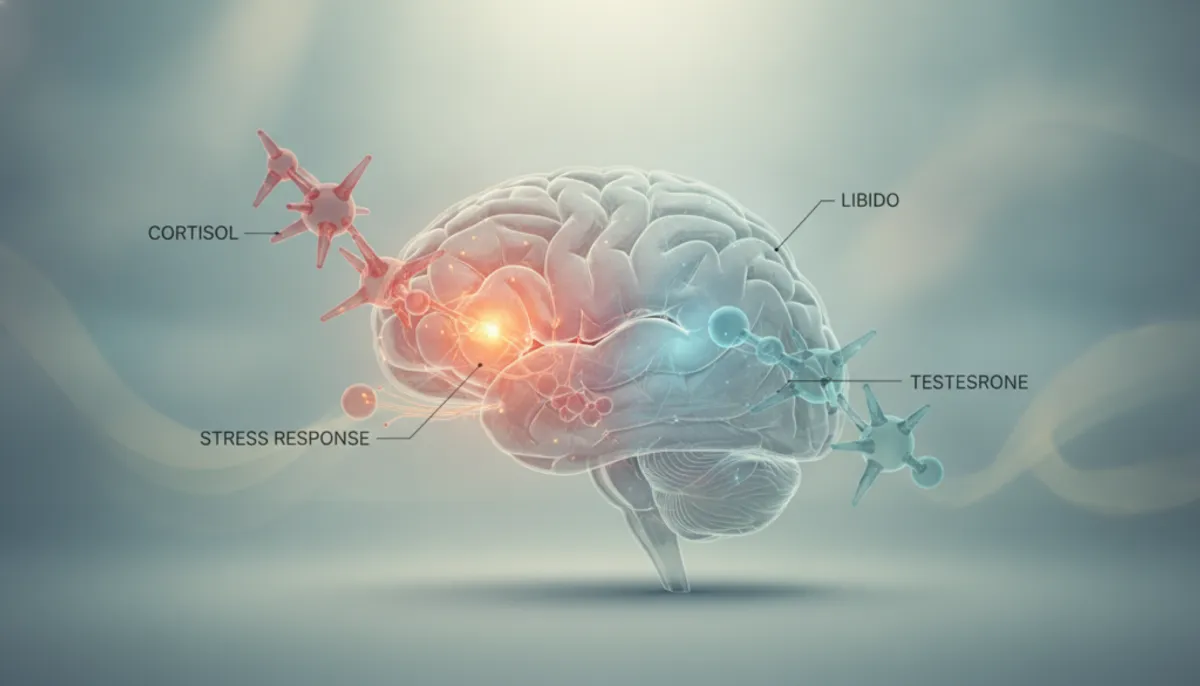
The physiological mechanisms that influence sexual desire are often misunderstood. Cortisol, a key hormone, plays a crucial role in this process. When elevated due to chronic stress, it disrupts the production of testosterone and estrogen, thereby affecting desire.
In a state of alert, the sympathetic nervous system mutes sexuality. This results in a decrease in libido, as the body prioritizes vital functions over sexual arousal. This dynamic is particularly visible in men and women subjected to prolonged pressures.
It is important to note that acute stress can, paradoxically, increase arousal. However, this effect is often short-lived and dissipates in the face of persistent fatigue. In summary, a healthy hormonal balance is essential for fostering a fulfilling intimate life.
Impact of Stress on Mental Health and Couple Life
Stress can have profound repercussions on our mental health and couple life. This phenomenon is often linked to anxiety and depression, which can diminish motivation for intimacy. Relational tensions increase when stress prevents the partner from communicating their needs.
This emotional distance makes it difficult to connect within the couple. A decrease in desire can be misinterpreted as disinterest, when it actually results from impaired mental health. Stress can also create a feeling of emotional exhaustion, leaving little room for sexual life.
Mental fatigue due to chronic stress disrupts sleep, further worsening mood disorders. This can further diminish desire. In some cases, a decrease in desire weakens the relational dynamic, requiring mutual understanding to avoid misunderstandings.
It is crucial to recognize that these difficulties are not a fatality. They are often physiological consequences of a prolonged state of stress.

Relaxation Techniques and Strategies to Regain Balance
Adopting relaxation techniques can transform our well-being and desire. These methods help reduce stress and improve the quality of our intimate life.
Here are some effective approaches:
- Quality Sleep: Getting 7 to 9 hours of sleep per night is essential for regulating hormones and allowing the body to recover.
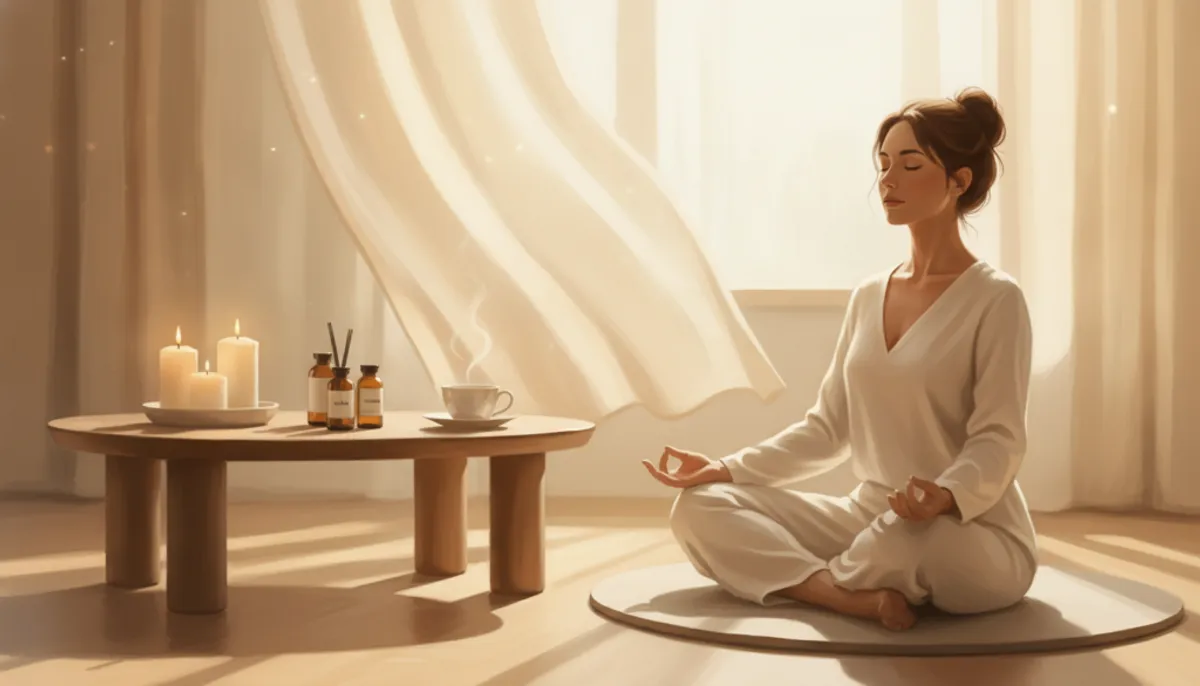
- Meditation and Yoga: These practices activate the parasympathetic nervous system, promoting a state of deep calm.
- Physical Activity: Regular activity, such as walking, releases endorphins that counteract the effects of chronic stress.
- Deep Breathing: Taking the time to breathe deeply helps to step out of survival mechanisms that block sexuality.
- Stress Management: Integrating these strategies into daily life improves overall health and sexual desire.
In 2026, experts confirm that relaxation is a key pathway to restore the body's safety necessary for the awakening of desire.
Complementary Approaches to Boost Desire
Exploring complementary methods can enrich our intimate life. These approaches aim to improve overall health and foster an emotional balance, essential for desire.
Physical Exercises and Balanced Diet
Regular exercise helps regulate cortisol, which is crucial for those experiencing tension related to anxiety. Additionally, a balanced diet supports the body and reduces fatigue, allowing the partner to feel more available for the other.
Specialized Consultations in Sex Therapy and Psychology
A medical consultation is recommended if the decrease in desire persists for more than a few months. This allows for the exclusion of organic disorders and addressing underlying difficulties.
Reconnect Through Non-Sexual Sensory Activities
The “sensate focus” method, developed by Masters and Johnson, helps couples rebuild intimacy through pressure-free sensory activities. Reconnecting through non-sexual activities can reduce tension and create a safe space for the couple.
Testimonials and Feedback
Many people have shared their stories about how they overcame difficulties related to desire. These accounts provide valuable insights into the path to a fulfilling intimate life.
Magalie Singh, a sex therapist, supports many individuals who have overcome a decrease in desire related to stress. She emphasizes that understanding the real causes is essential for moving forward.
- A decrease in libido is not a fatality, but an alarm signal that the body sends to the partner.
- Regaining a fulfilling sexual life is possible when the couple learns to manage stress and lack of sleep together.
- The stories of those who have succeeded show the importance of communication to restore the relationship and sexual desire.
- Stress can be overcome by accepting that fatigue is not a lack of love, but a normal physiological reaction.
- By sharing their experiences, these individuals help other couples understand that mental health is the key to intimacy.
- Each journey shows that desire naturally returns as soon as one lowers the alert level of their organism.
Conclusion
Understanding the impacts of stress on our bodies is essential for improving our desire. Chronic stress profoundly influences health and the quality of our intimate life. To restore balance, it is crucial to integrate relaxation practices and ensure quality sleep.
Sexual desire acts as a barometer of our emotional state. By recognizing the physiological mechanisms at play, we can overcome difficulties and regain a fulfilling sexuality. Open communication and professional support are valuable assets for reducing anxiety and strengthening intimacy.
Ultimately, taking care of one’s body and mind is the best way to protect desire. Providing our organism with the necessary security allows desire to flourish naturally.
FAQ
What are the causes of decreased sexual desire?
Several factors can contribute to a decrease in desire, including fatigue, relational tensions, and hormonal imbalances. Chronic stress can also play a significant role in this issue.
How does stress affect mental health?
Stress can lead to anxiety disorders, depression, and difficulties concentrating. These negative impacts can, in turn, affect the quality of relationships and intimacy with a partner.
What relaxation techniques are effective?
Methods such as meditation, deep breathing, and yoga are often recommended. They help reduce tension and promote better emotional balance.
What is the role of hormones in sexual desire?
Hormones, such as testosterone, play a crucial role in sexual arousal. A hormonal imbalance, often caused by stress, can decrease desire and arousal.
How can one improve sleep quality to regain balance?
Establishing a regular sleep routine, avoiding screens before bed, and creating a calm environment can help improve sleep quality, which is essential for overall health and sexual desire.
What to do if difficulties persist?
If desire problems persist, it may be beneficial to consult a professional, such as a sex therapist or psychologist, to explore underlying causes and find suitable solutions.
What types of activities can help strengthen intimacy?
Engaging in non-sexual sensory activities, such as massages or nature walks, can strengthen the emotional and physical connection between partners, thereby fostering intimacy.