
The health of the prostate is a crucial topic for men, especially as they age. Indeed, 60% of men experience issues related to this organ after the age of 60. This increases to 90% after 85 years. Therefore, it is essential to take care of this organ throughout life.
Adopting simple habits from a young age can help prevent many inconveniences. Indeed, daily care ensures harmonious functioning of the prostate. Taking care of one's health is a priority to maintain optimal quality of life.
This guide will assist you in better understanding how to preserve your prostate well-being through healthy lifestyle habits. By following these tips, you can avoid complications often encountered after sixty.

Key Points to Remember
- Prostate health is essential for men.
- Taking care of this organ from a young age is crucial.
- Simple habits can prevent complications.
- Good daily care improves quality of life.
- This guide helps you adopt healthy habits.
Understanding the Role and Functioning of the Prostate
The prostate, small but powerful, influences men's lives at various ages. This organ is essential for the functioning of the reproductive system. Located under the bladder and in front of the rectum, it plays a key role in male health.
It is traversed by the urethra, which expels urine and transports sperm during ejaculation. This explains why benign prostatic hyperplasia can lead to frequent urinary issues.
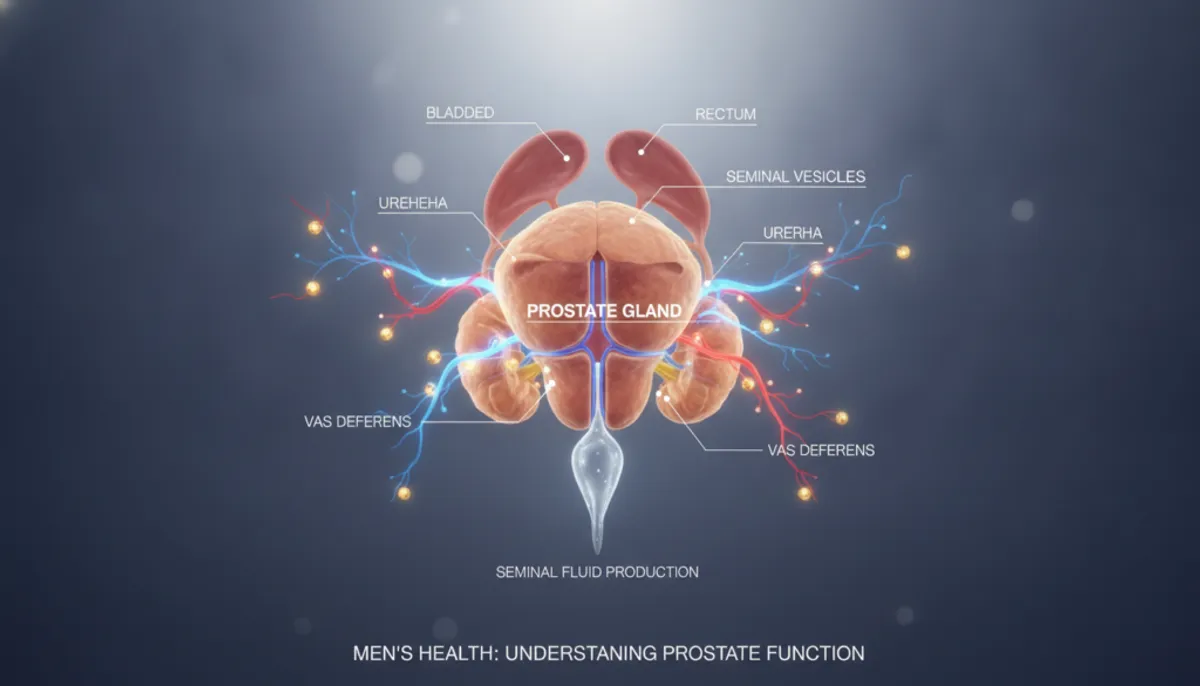
Location and Essential Functions
- The prostate is a walnut-sized gland located under the bladder.
- It produces seminal fluid, essential for male fertility.
- With age, the prostate undergoes changes that can hinder urine flow.
- Understanding its anatomy helps grasp physiological changes.
Prostate Changes with Age
Over the years, natural changes occur. These modifications can sometimes lead to urinary difficulties. Therefore, it is crucial to stay informed and take preventive action to maintain good prostate function.
| Age | Changes in the Prostate | Possible Consequences |
|---|---|---|
| 20-30 years | Normal development | No issues |
| 40-50 years | Increase in size | Onset of urinary issues |
| 60 years and older | Benign hyperplasia | Discomfort and urinary difficulties |
Healthy Eating Habits for a Healthy Prostate
Nutrition plays a crucial role in preserving male health, particularly that of the prostate. A balanced diet can reduce the risk of developing issues such as adenoma or benign hyperplasia. Therefore, it is essential to know which foods are beneficial and which to avoid.
Beneficial Foods and Protective Nutrients
Fruits and vegetables are rich in antioxidants, which protect prostate cells. Studies show that consuming at least five fruits and vegetables per day is recommended to prevent prostate pathologies.
Nutrients like selenium and vitamin E also play a protective role. Prioritizing healthy foods helps limit inflammation and maintain a favorable metabolic balance.
Products to Avoid to Limit Risks
It is advisable to limit the consumption of saturated fats and excessive dairy products. These dietary choices can harm the health of your prostate gland.
| Type of Food | Beneficial Effects | Products to Avoid |
|---|---|---|
| Fruits and vegetables | Rich in antioxidants | Saturated fats |
| Selenium and vitamin E | Cell protection | Excess dairy products |
| Healthy foods | Limiting inflammation | Processed foods |
Physical Activity and Prevention of Prostate Disorders
Physical activity plays an essential role in maintaining good male health, particularly concerning the prostate. Engaging in regular activity is an effective way to reduce the risk of developing benign prostatic hyperplasia in men.
Targeted exercises can strengthen the pelvic region. This helps better control the bladder, thereby limiting urinary issues associated with age. Additionally, physical activity improves blood circulation and reduces inflammation, which is beneficial for the health of this organ.
Maintaining a healthy weight through consistent physical activity significantly decreases the risk of benign hyperplasia. By incorporating sports into your daily life, you can prevent complications and improve your overall well-being.
- Strengthen the pelvic region to better control the bladder.
- Reduce inflammation through physical activity.
- Maintain a healthy weight to decrease the risk of benign hyperplasia.
- Integrate sports into your daily life for better overall health.

Daily Tips for Prostate Health
To maintain good prostate function, it is crucial to adopt healthy habits daily. This includes paying particular attention to hydration and stress management. By integrating these practices, you can reduce the risks of urinary disorders and improve your overall well-being.
Stress Management Techniques and Relaxation Moments
Stress management is essential. Techniques such as meditation or yoga can help relax the body and mind. This helps avoid difficulties during urination, promoting better bladder control.
Importance of Hydration and Lifestyle Habits
It is recommended to drink at least 2 liters of water per day. This ensures good hydration and facilitates urinary expulsion. Additionally, an active sex life, with more than five ejaculations per week, can reduce the risk of cancer.
- Caring for the prostate involves adequate hydration.
- Avoid irritating products and limit alcohol.
- An active sex life helps release prostatic fluid.
- Meditation contributes to mental and physical health.

| Tip | Importance | Recommended Frequency |
|---|---|---|
| Hydration | Facilitates urinary expulsion | 2 liters per day |
| Sexual activity | Reduces cancer risk | More than 5 ejaculations/week |
| Meditation | Reduces stress | Daily |
Medical Follow-up and Prostate Cancer Prevention
Medical vigilance is a major asset for early detection of prostate problems. According to the AFU, all men aged 50 to 75 years should undergo annual screening through PSA testing and digital rectal examination. This screening is essential, as prostate cancer often presents no symptoms in its early stages.
The doctor plays a central role in prostate cancer screening, especially for older men. Regular follow-up helps differentiate benign prostatic hyperplasia from more serious issues. In case of family history, it is recommended to start screening at 45 years.
- An annual screening is the best strategy to detect cancer before symptoms appear.
- Regularly consulting your doctor helps address urinary issues.
- Monitoring the progression of gland hyperplasia is crucial.

Conclusion
Vigilance regarding male health is a fundamental pillar for a serene future. Preserving prostate health relies on a holistic approach, combining healthy eating, regular physical activity, and stress management.
It is crucial not to neglect annual medical examinations, as early detection remains the most effective weapon against complications. Adopting these good habits from a young age significantly reduces the risks of long-term issues.
Listen to your body and consult a professional promptly if you experience urinary symptoms. By integrating these simple tips into your daily life, you actively care for your well-being and your future.
FAQ
What are the symptoms of benign prostatic hyperplasia?
Symptoms include difficulty urinating, a frequent need to urinate, especially at night, and a weak urinary stream.
How does diet influence prostate health?
A diet rich in fruits, vegetables, and omega-3 fatty acids can contribute to prostate health, while saturated fats and dairy products should be limited.
What is the importance of physical activity for the prostate?
Regular physical activity helps maintain a healthy weight and can reduce the risk of prostate disorders, including benign hyperplasia.
At what age should I start worrying about my prostate?
It is advisable to start monitoring prostate health at age 50, or earlier if there is a family history of prostate cancer.
What are the recommended screening methods?
Screening exams include PSA (prostate-specific antigen) testing and a digital rectal exam to assess gland health.
What tips can I follow to take care of my prostate daily?
Adopt a balanced diet, stay active, hydrate well, and regularly consult your doctor for screening exams.