
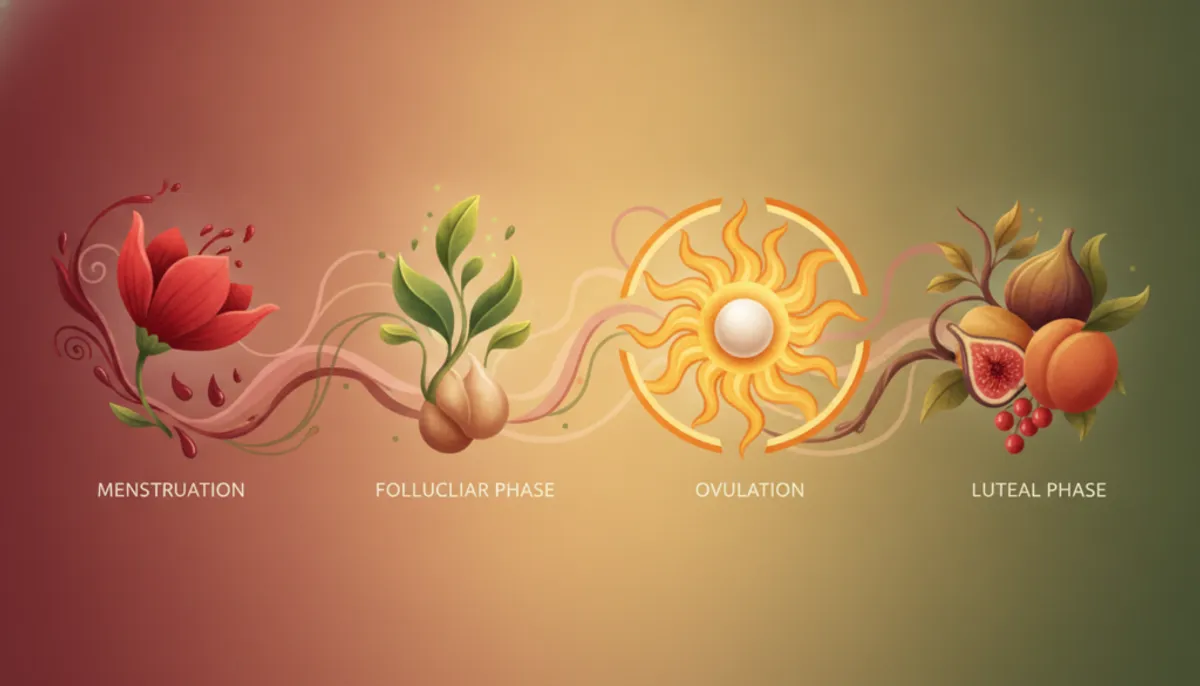
The menstrual cycle is a fascinating biological process that governs the lives of women. It begins on the first day of menstruation and ends just before the start of the next period. Generally, a complete cycle lasts between 24 and 38 days, according to data from StatPearls.
Understanding the different phases of this cycle is essential for grasping the physical and emotional changes that occur each month. The first day of menstruation marks the official start of this monthly journey. Learning to identify these phases helps anticipate the needs of one’s body and better manage health.
This guide explores the hormonal mechanisms that govern the menstrual cycle, providing a clear and precise overview. Knowledge of one’s own cycle is a valuable tool for improving daily life quality.
Key Points
- The menstrual cycle begins on the first day of menstruation.
- It lasts on average between 24 and 38 days.
- Understanding the phases helps manage health.
- Each phase influences emotions and the body.
- Knowledge of one’s cycle is beneficial for daily life.
Introduction to the Menstrual Cycle and Its Importance
Every woman experiences a natural process that influences her daily life. This phenomenon, often overlooked, has repercussions on energy, libido, and mood. Hormones send signals between the brain, ovaries, and uterus to initiate this process.
Understanding this functioning is essential. It allows for interpreting the signals the body sends throughout the month. Here are some key impacts:
- The menstrual cycle is a chain of coordinated activities between the brain, ovaries, and uterus, regulated by chemical signals.
- According to research by Jessica E. McLaughlin, the menstrual cycle directly influences mood, energy levels, and sleep quality.
- Hormonal fluctuations affect digestion, skin, and even concentration.
- Better knowledge of the cycle helps alleviate guilt regarding mood variations.
- Regular tracking allows for better self-understanding and transforms an experience sometimes perceived as discomfort.
| Aspect | Impact | Importance |
|---|---|---|
| Energy | Fluctuations according to phases | Understanding to manage better |
| Mood | Influenced by hormones | Anticipating variations |
| Libido | Changes throughout the cycle | Fostering a fulfilling intimate life |
The Fundamentals of the Menstrual Cycle
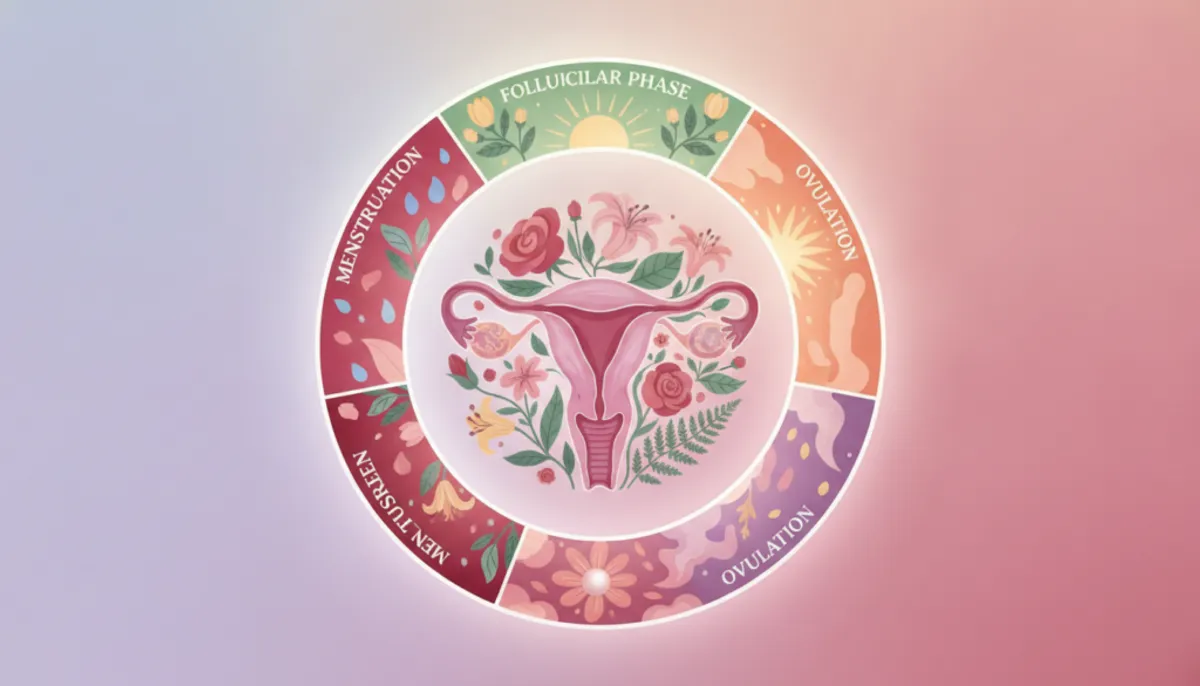
The processes that govern the female cycle are of fascinating complexity. This cycle consists of two key elements: the ovarian cycle and the uterine cycle. These two processes work in parallel, influencing the body each month.
The ovaries undergo major physical transformations. Meanwhile, the uterus prepares for potential implantation, under the influence of hormones. The pituitary gland, located at the base of the brain, plays a crucial role. It produces follicle-stimulating hormone (FSH), essential for preparing the eggs for ovulation.
The main hormones, such as estrogen and progesterone, dictate the rhythm of these physiological changes. The communication between the brain and the ovaries, known as the hypothalamic-pituitary-ovarian axis, is essential for the proper functioning of the cycle. Each cycle is unique and can vary in duration, illustrating the complexity of the interaction between the ovaries and the uterus.
The Key Elements of the Menstrual Cycle
A complex cyclical process influences the emotions and health of women. The menstrual cycle is defined as a precise hormonal sequence, starting on the first day of menstruation and ending just before the next.
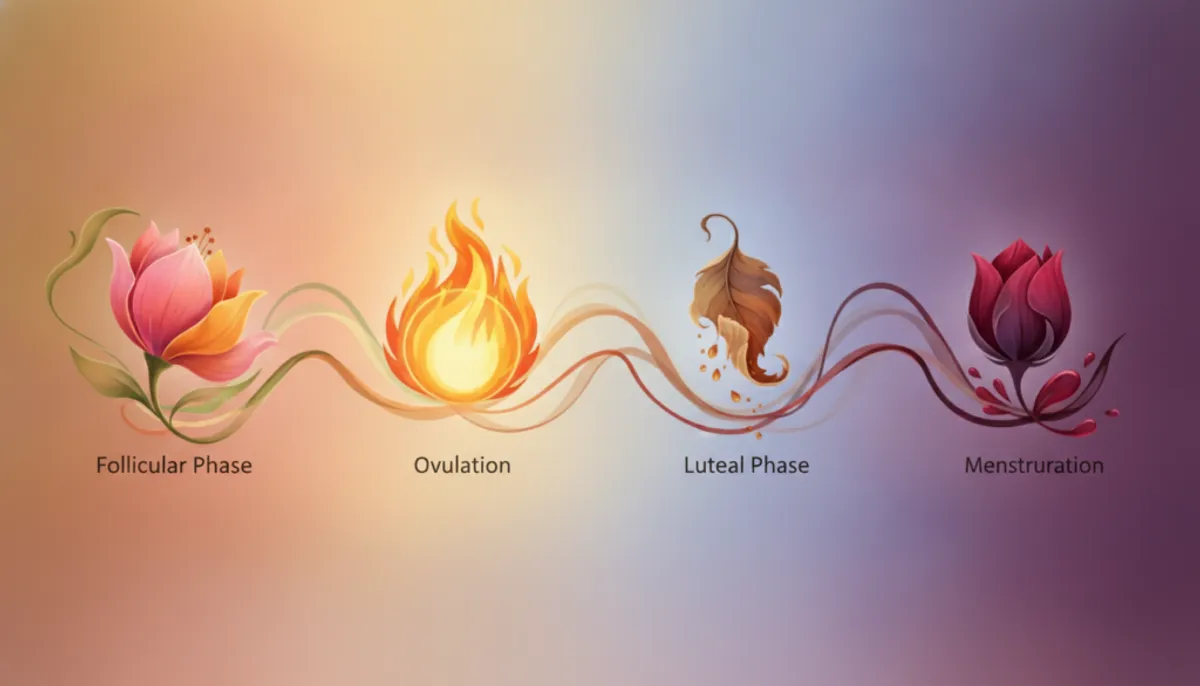
It is crucial to distinguish the phases of the ovarian cycle, which include:
- Follicular phase
- Ovulation
- Luteal phase
The uterine cycle, on the other hand, is divided into:
- Menstruation
- Proliferative phase
- Ovulation
- Secretory phase
Although these processes are described separately, they overlap and work together to ensure fertility. The average duration of 28 days is a reference, but a variation between 24 and 38 days remains quite physiological.
The regularity of the menstrual cycle is a more important health indicator than the exact duration of each individual phase.
The Menstrual Phase: The Trigger of the Cycle
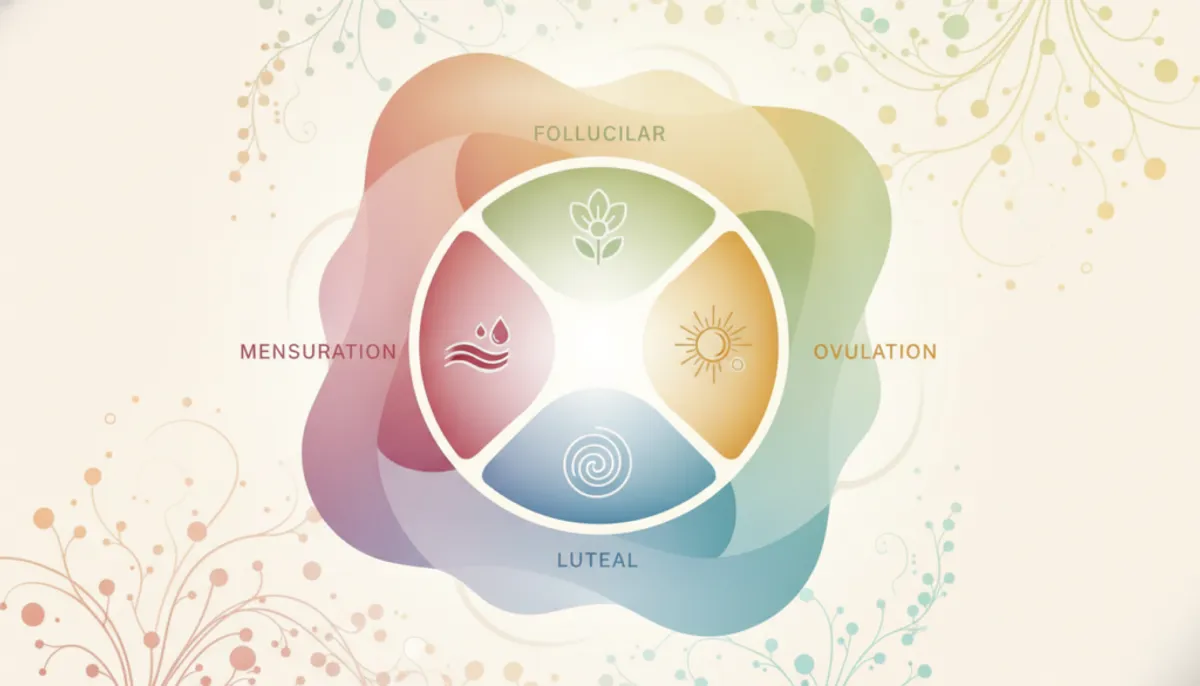
The menstrual phase represents the beginning of a new chapter for the female body. This stage marks the elimination of the uterine lining, called endometrium, when fertilization has not occurred.
During the 5 to 6 days that menstruation generally lasts, hormone levels drop, causing the detachment of tissues. This natural process can lead to various sensations.
- Pelvic pain or fatigue is common on the first day of menstruation.
- The body is in a phase of elimination, often requiring a period of rest.
- Bleeding, more or less abundant, marks the beginning of a new cycle.
- It is normal to feel a drop in morale during this hormonal transition phase.
Listening to one’s body and allowing time is essential to experience this phase calmly.
| Duration | Hormonal State | Feelings |
|---|---|---|
| 5 to 6 days | Low in estrogen and progesterone | Pelvic pain, fatigue |
| First day | Hormonal drop | Low morale, increased sensitivity |
The Follicular and Proliferative Phase: Preparing the Body
The follicular phase is a crucial period for preparing the female body. It lasts about 10 to 22 days, varying by individual. During this phase, follicle-stimulating hormone (FSH) signals the ovaries to prepare an egg for the upcoming ovulation.
The dominant follicle develops in one of the two ovaries, producing increasing levels of estrogen. These hormones play a key role in thickening the lining of the uterus, thus preparing it for a potential pregnancy.
Vaginal discharge becomes more noticeable, whitish and creamy, indicating increasing fertility. This proliferative phase also promotes a boost in energy and better concentration, which can be felt by many women.
It is important to note that this phase can vary significantly from one cycle to another, but it remains essential for reproductive health.
Ovulation: The Key Moment of the Cycle
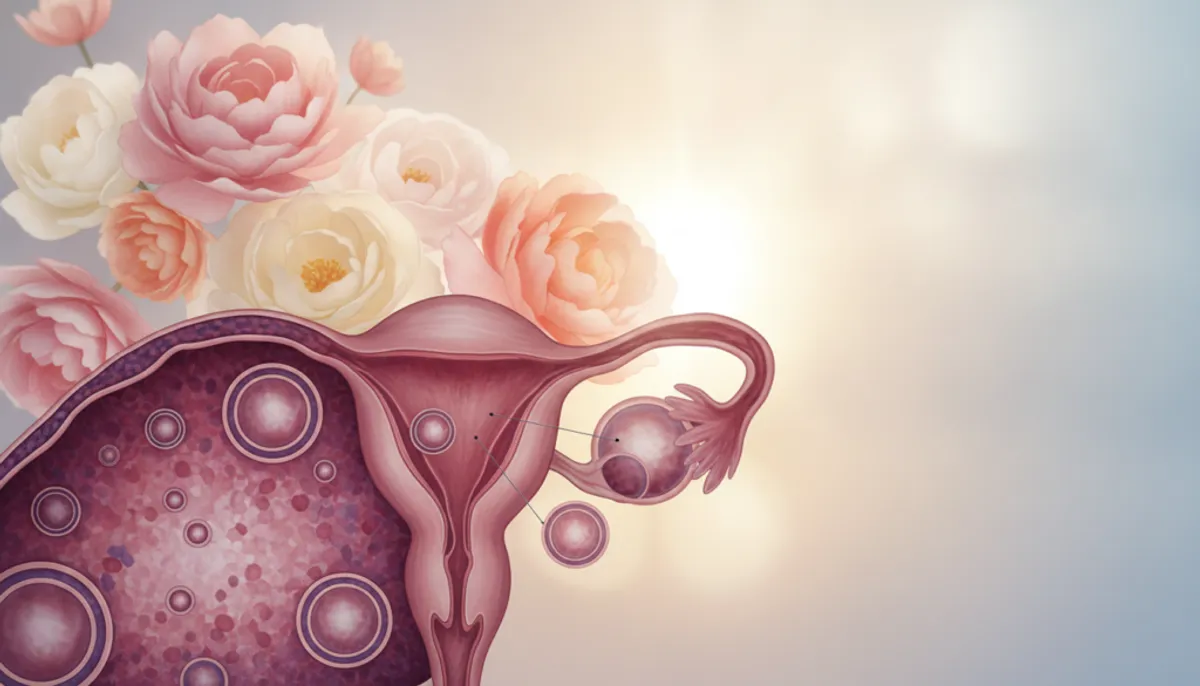
Ovulation is a determining moment in the female reproductive process. It typically occurs around the 14th day of the cycle, marked by a peak in luteinizing hormone (LH). This phenomenon triggers the release of a mature egg into the fallopian tube, where it can be fertilized.
This period is essential for fertility. The released egg remains fertilizable for 12 to 24 hours. Here are some signs and symptoms to watch for:
- An increase in cervical mucus, which becomes clear and elastic, similar to raw egg white.
- A slight pelvic pain on one side, often felt by some women.
- A boost in energy and increased libido, favored by hormonal changes.
This moment, although brief, is central to the cycle and influences the vitality and mood of women.
The Luteal and Secretory Phase: Towards the End of the Cycle
The transformation of the follicle into a corpus luteum marks the beginning of a new stage in the cycle. After ovulation, the empty follicle transforms into a corpus luteum, an endocrine structure essential for the production of progesterone.
This hormone plays a key role in preparing the endometrium to receive a fertilized egg. It enriches the uterine lining with essential nutrients, thus favoring a potential pregnancy.
If no implantation occurs, the corpus luteum regresses after 9 to 11 days. This leads to a drop in hormones, signaling the start of the next menstruation.
The luteal phase often lasts 14 days but can vary between 9 and 16 days depending on individual cycles. During this period, premenstrual symptoms such as breast tenderness, bloating, or irritability are common.
The body enters a phase of slowing down, ideal for adopting a gentler pace and supporting hormonal balance.
Tracking, Factors Influencing the Cycle, and Well-Being
Female well-being is often linked to understanding one’s body. Tracking menstrual cycle variations can provide valuable insights into overall health. Using modern tools like the Clue app allows for tracking bleeding trends and identifying recurring patterns.
Stress, diet, and lifestyle play a crucial role in the regularity of the cycle. Chronic stress or sudden dietary changes can disrupt hormonal balance, impacting health. Here are some practical tips:
- A diet rich in fiber and healthy fatty acids helps the liver eliminate excess hormones.
- Gentle physical activity, such as yoga or walking, supports mood and helps manage premenstrual symptoms.
- Observing one’s menstrual cycle allows for spotting potential hormonal imbalances and discussing them with a qualified healthcare professional.
- Adopting a lifestyle suited to each phase of the cycle promotes sustainable well-being.
| Factor | Impact | Advice |
|---|---|---|
| Stress | Hormonal disruption | Practice meditation |
| Diet | Hormonal balance | Eat balanced |
| Physical Activity | Improvement of mood | Regular exercise |
Conclusion
Understanding one’s body is essential for every woman. The menstrual cycle is a natural and complex process that governs women’s lives for nearly 40 years. Knowing how to identify the phases of this cycle allows for better anticipation of the physical and emotional changes experienced each month.
Regular tracking helps identify one’s fertility period and detect any hormonal imbalances requiring medical consultation. A good lifestyle, including a suitable diet and rest, is essential to support each phase.
By reconnecting with their bodies, every woman can experience her cycle with more serenity and kindness. Thus, the menstrual cycle remains a valuable barometer of overall health, deserving special attention and careful listening.
FAQ
What is the menstrual cycle?
The menstrual cycle is a natural process that prepares the female body for potential pregnancy. It consists of several phases, including the menstrual phase, follicular phase, ovulation, and luteal phase.
What are the main symptoms during menstruation?
Symptoms can include bleeding, abdominal cramps, headaches, and mood changes. Each woman may experience these symptoms differently.
What is the average duration of a cycle?
Generally, a cycle lasts between 21 and 35 days, with an average of 28 days. However, this can vary from one woman to another.
How do hormones influence the cycle?
Hormones such as estrogen and progesterone play a crucial role in regulating the different phases of the cycle, thus influencing the preparation of the uterus and the release of the egg.
What is ovulation and when does it occur?
Ovulation is the moment when an egg is released by the ovary. This typically occurs in the middle of the cycle, about 14 days before the start of menstruation.
What happens during the luteal phase?
During this phase, the corpus luteum forms and secretes progesterone, preparing the uterus for potential implantation of a fertilized egg.
What factors can influence the menstrual cycle?
Stress, diet, physical exercise, and hormonal changes can all affect the regularity and duration of the menstrual cycle.
How to track one’s menstrual cycle?
Many applications and tools are available to help track period days, symptoms, and cycle phases, which can be useful for better understanding one’s body.