
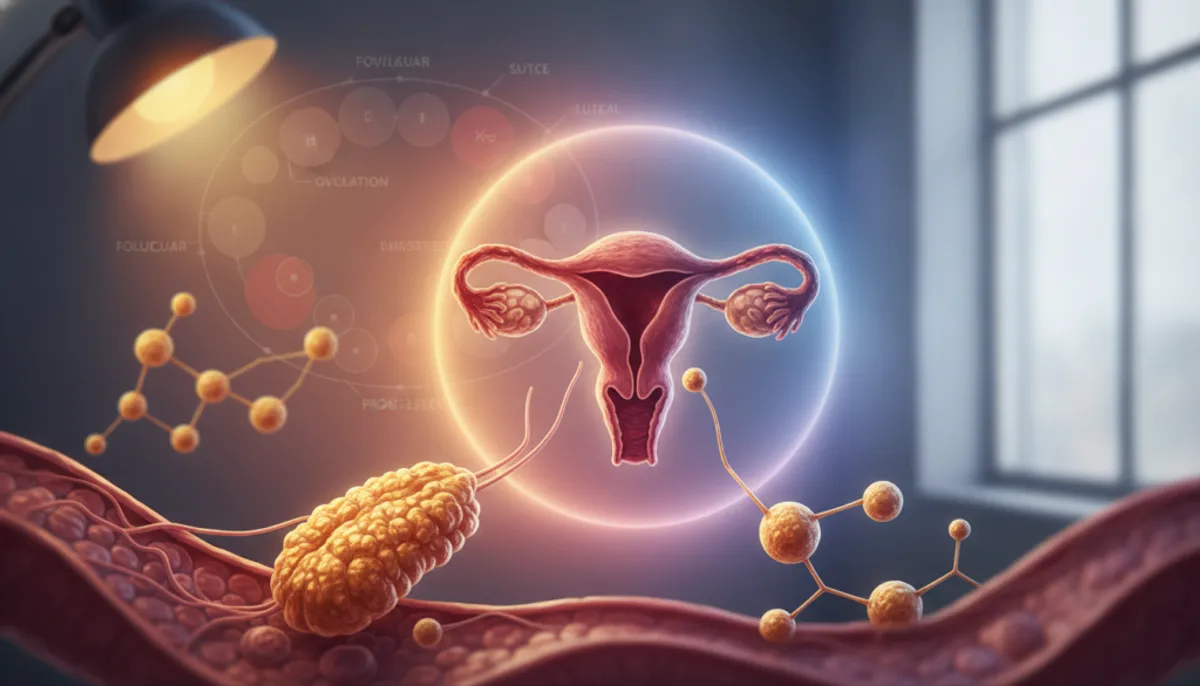
The luteal phase is an essential stage of the menstrual cycle, lasting about 14 days. Unlike the previous phase, this one is generally stable from month to month for each woman. This stability is valuable for tracking fertility.
Understanding this phase allows for a better grasp of the hormonal changes that occur after ovulation and before the arrival of menstruation. During this time, the body actively prepares for a potential pregnancy. This is done through the secretion of hormones that are crucial for maintaining the endometrium.
Identifying the symptoms associated with this phase helps women to better understand their bodies. This allows them to anticipate variations in their menstrual cycle. Experts, such as those from ESHRE, emphasize the importance of this period for the success of implantation of a fertilized egg.
Key Points
- The luteal phase lasts about 14 days.
- It provides stability for tracking fertility.
- It prepares the body for a potential pregnancy.
- The symptoms help to better understand one's cycle.
- It is a critical period for the implantation of an egg.
Introduction
The menstrual cycle, often misunderstood, is a complex process that spans several weeks. It consists of four distinct phases: the follicular phase, ovulation, the luteal phase, and menstruation. Each phase plays a crucial role in women's reproductive health.
Although the duration of the menstrual cycle can vary from 18 to 40 days, the period after ovulation is particularly important. A balanced phase is essential for preparing the endometrium to welcome a potential embryo each month. This not only promotes pregnancy but also ensures overall well-being.
Hormonal fluctuations during this period can impact mood and physical health. Thus, understanding the menstrual cycle is fundamental for every woman, as it can influence their quality of life.
| Phases of the Cycle | Typical Duration | Main Function |
|---|---|---|
| Follicular | 7-14 days | Development of follicles |
| Ovulation | 1 day | Release of the egg |
| Luteal | 14 days | Preparation of the endometrium |
| Menstruation | 3-7 days | Elimination of the endometrium |

Understanding the Luteal Phase in the Menstrual Cycle
After ovulation, the body enters a critical phase for fertility. This period, called the luteal phase, typically lasts between 11 and 16 days. It is essential for preparing the endometrium for potential implantation.
The onset of this phase is marked by physiological changes. For example, cervical mucus becomes less hydrated, indicating an important transition. These changes help women to better understand their cycle and identify when their body is preparing for fertilization.
By carefully observing this period, it is possible to determine reproductive health. This phase is crucial, as it influences the success of embryonic implantation. Thus, knowing the duration and characteristics of the luteal phase can be beneficial for family planning.
The Role of the Corpus Luteum and Progesterone
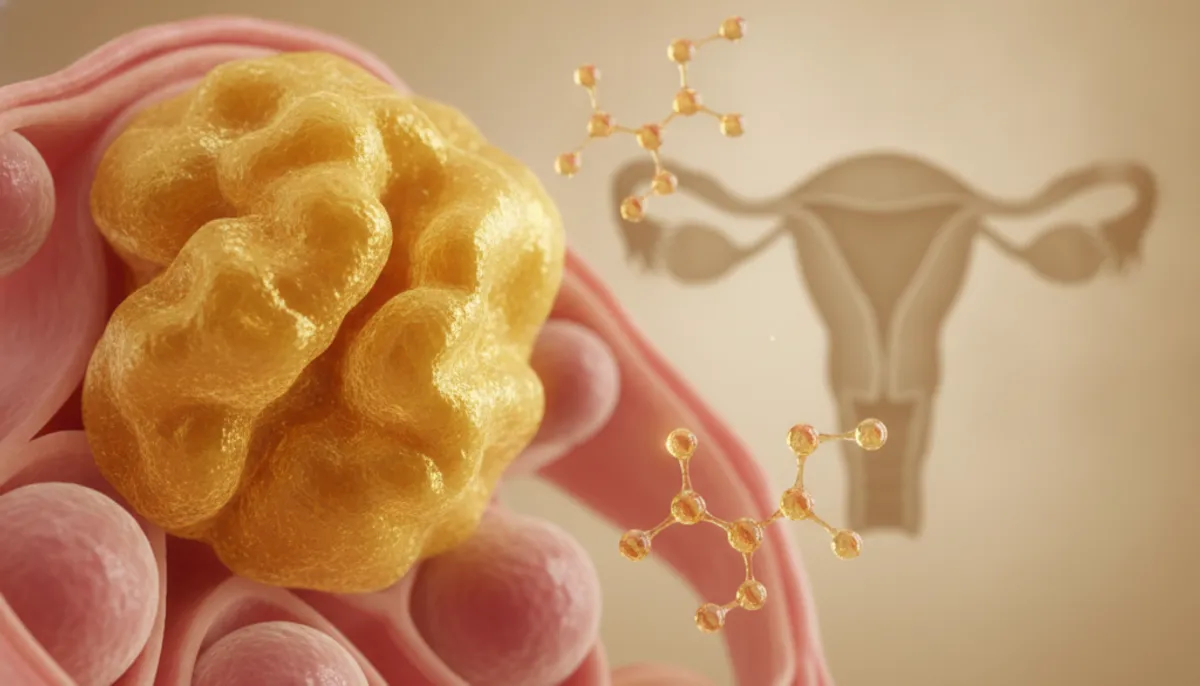
At the heart of the menstrual cycle, the corpus luteum plays a crucial role by secreting essential hormones. After ovulation, this temporary endocrine gland forms and begins to produce progesterone. This hormone is indispensable for preparing the uterus for a potential pregnancy.
Progesterone acts directly on the endometrium, thickening it to create a suitable environment for the implantation of the embryo. This period is therefore critical for the success of conception.
In the absence of fertilization, the corpus luteum regresses. This leads to a drop in progesterone levels, causing the detachment of the uterine lining. Thus, understanding this mechanism is essential for any woman wishing to better understand her cycle.
- The corpus luteum secretes progesterone to support the development of the uterine lining.
- Progesterone creates a favorable environment for implantation during this period.
- In the case of non-fertilization, the corpus luteum regresses, leading to a drop in progesterone levels.
- This gland plays a vital role until the placenta takes over.
- An adequate production of progesterone is essential to welcome the embryo.
Identifying and Understanding the Symptoms of the Luteal Phase
Understanding the symptoms that appear after ovulation is essential for reproductive health. During this period, body temperature rises by 0.3 to 0.5 degrees, which is a reliable indicator of the start of this phase. This temperature increase persists until menstruation.
The premenstrual syndrome can manifest with more than 200 symptoms, including mood changes, irritability, and physical pain. These manifestations are directly related to the hormonal fluctuations that affect the body during this specific period.
It is important for women to monitor their body temperature to identify the symptoms associated with this phase. This can help them anticipate the arrival of menstruation. If the symptoms become too debilitating, it is advisable to consult a healthcare professional.

Variations in the Luteal Phase: Luteal Phase and Its Particularities
Understanding the variations of the luteal phase is crucial for anticipating fertility-related challenges. A short luteal phase, defined by a duration shorter than normal, can limit the time needed for the endometrium to prepare for implantation.
Luteal insufficiency occurs when the corpus luteum does not produce enough progesterone. This can disrupt the normal course of the menstrual cycle. As a result, the chances of conception may be reduced, sometimes requiring thorough medical evaluation.
The lack of time for endometrial preparation is a direct consequence of a short luteal phase, impacting a woman's fertility. Therefore, it is essential to diagnose this type of phase to implement appropriate monitoring before the arrival of menstruation or a pregnancy attempt.

The Impact of the Luteal Phase on Fertility
The period following ovulation plays a crucial role in women's fertility. A balanced phase is essential to maximize the chances of conception. Indeed, the quality of this phase directly influences the uterus's ability to accommodate an embryo.
Difficulties in conceiving may arise due to hormonal imbalance. Studies, such as those conducted by Dr. Elena Labarta, show that insufficient progesterone concentration can decrease the likelihood of achieving pregnancy by 18%. Therefore, it is important to assess hormonal health.
For couples planning a pregnancy, it is crucial to pay attention to the duration of this phase. Medical monitoring can help identify and treat hormonal imbalances, thereby increasing the chances of success.
- Fertility is closely linked to the quality of the luteal phase.
- Difficulties in conceiving may be related to luteal insufficiency.
- Planning a pregnancy requires special attention to this phase.
- A timely detected hormonal imbalance can be treated.
- Medical monitoring is crucial to assess the impact on fertility.
Treatments and Medical Management
Targeted medical interventions can support the luteal phase and optimize fertility. Progesterone treatment is often prescribed to help maintain this phase, especially in the context of assisted reproductive technology protocols.
Healthcare professionals, particularly those at IVI clinics, offer personalized monitoring. This allows for the adjustment of progesterone levels according to each patient's specific needs. Medical support is essential for managing hormonal imbalances that may occur before the arrival of menstruation.
Hormonal supplements help stabilize this phase, thereby increasing the chances of carrying a pregnancy to term after successful fertilization. It is advisable to consult a gynecologist if the luteal phase appears dysfunctional or too short.
- Progesterone treatment supports the luteal phase.
- Personalized monitoring helps adjust progesterone levels.
- Hormonal imbalances require medical support.
- Hormonal supplements stabilize the luteal phase.
- Consulting a gynecologist is recommended to evaluate treatments.
| Type of Treatment | Objective | Notes |
|---|---|---|
| Progesterone | Support the luteal phase | Recommended by ESHRE |
| Medical Monitoring | Adjust treatment | Personalized according to needs |
| Hormonal Supplements | Stabilize hormones | Increases chances of pregnancy |
Dietary Recommendations and Lifestyle for a Healthy Luteal Phase
To support a healthy phase of the menstrual cycle, it is essential to adopt good dietary habits. A balanced diet can have a significant impact on the body during this period.
Nutrition Tips and Omega 3 Intake
Adopting a diet rich in omega 3 and fiber is a key recommendation from Public Health France. These nutrients help maintain good reproductive health and reduce inflammation.
Physical Activity and Stress Management
Regular physical activity helps manage stress, which can positively influence cycle regularity and the health of the luteal phase. Additionally, maintaining a healthy lifestyle is essential for the body to function optimally.
Good stress management and restorative sleep are pillars for stabilizing body temperature and the overall menstrual cycle. By incorporating these practices, women can foster a uterine environment conducive to future pregnancy.
Conclusion
This post-ovulatory period is crucial for women's fertility. It plays a key role in preparing the body for a potential pregnancy. Understanding the symptoms and the role of progesterone helps in better managing reproductive health.
A stable duration of 14 days for this phase is an indicator of health. However, variations can occur in each woman. In case of difficulties, consulting a healthcare professional is essential to identify imbalances.
Finally, adopting a healthy lifestyle remains the best way to naturally support the body during the different phases of the cycle. This not only promotes overall well-being but also better fertility.
FAQ
What is the luteal phase?
The luteal phase is the period of the menstrual cycle that follows ovulation, during which the corpus luteum produces progesterone to prepare the uterus for a potential pregnancy.
What are the symptoms of a short luteal phase?
Symptoms may include irregular periods, abdominal pain, mood changes, and difficulties in conceiving.
How does progesterone affect the body?
Progesterone plays a crucial role in thickening the endometrium, which is essential for the implantation of an embryo in case of fertilization.
What are the consequences of hormonal imbalance during this phase?
A hormonal imbalance can lead to more pronounced premenstrual symptoms, menstrual irregularities, and difficulties in conceiving.
What treatments are available for insufficient luteal phase?
Treatments may include hormonal supplements, lifestyle modifications, and personalized medical monitoring to better manage symptoms.
What dietary advice can help during this period?
A diet rich in omega 3, fresh fruits and vegetables, as well as adequate hydration can support hormonal health during this phase.
How does stress influence the luteal phase?
Stress can disrupt hormonal balance, thereby affecting the duration and effectiveness of the luteal phase, which can impact fertility.