
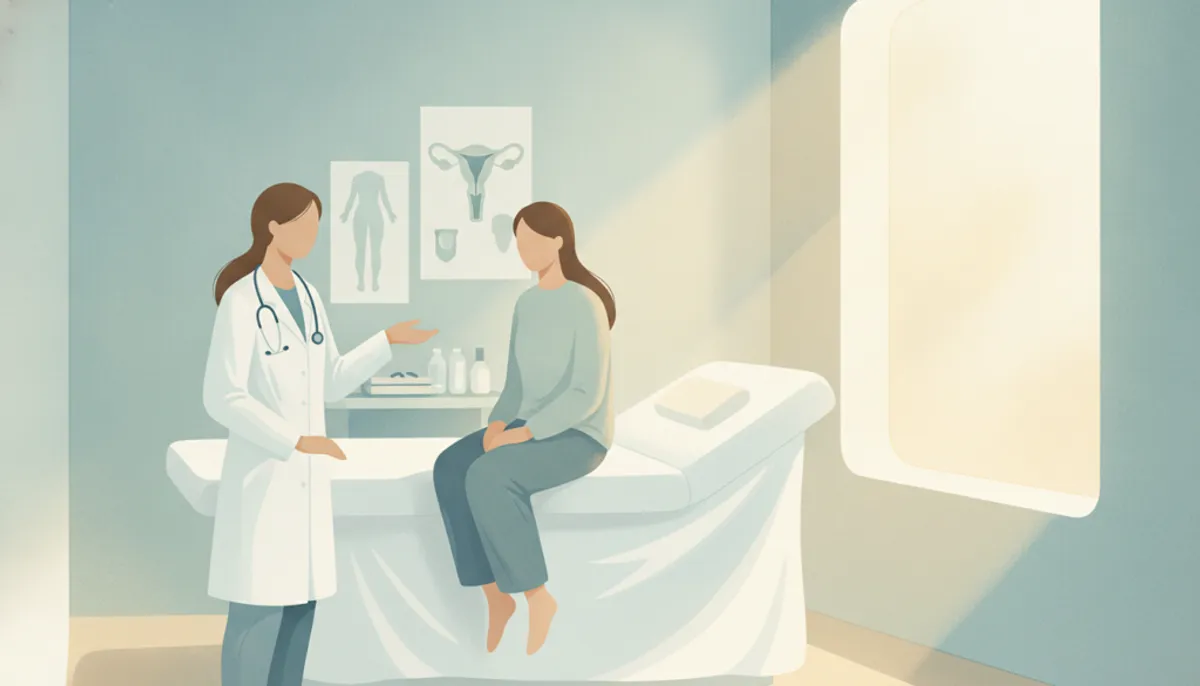
When it comes to health, the gynecological exam is an essential step for every woman. Although it may cause some apprehension, it is important to know that this exam usually lasts only about ten minutes and is not painful. It is a key moment to check the health of the reproductive organs.
The healthcare professional, whether a doctor or midwife, is trained to perform these actions with care. This ensures your comfort throughout the consultation. Do not hesitate to ask any questions before starting. This will help you feel confident and better understand the process.
Ultimately, this exam is a way to take care of yourself and your health. It helps detect potential health issues before they become more serious.
Key Points to Remember
- The exam is essential for women's health.
- It lasts about ten minutes and is painless.
- It allows for checking the condition of the reproductive organs.
- Healthcare professionals are there to ensure your comfort.
- Ask your questions to feel confident.
Introduction: Understanding the Importance of the Gynecological Exam
The first period marks the beginning of a time when women's health must be monitored. The gynecological consultation is an essential medical appointment for every woman. This follow-up can start as early as puberty, ensuring appropriate monitoring.
It is crucial for each patient to realize that these visits help prevent many conditions. Yet, many women do not regularly attend their preventive appointments. This can delay the diagnosis of certain diseases.
General practitioners, gynecologists, or midwives are the professionals authorized to perform this exam. They ensure quality follow-up, and understanding how these visits proceed helps reduce stress.
The Gynecological Exam: Definition, Objectives, and Stakes
The evaluation of reproductive health is a key step in women's healthcare. This exam is essential to check for any visible abnormalities in the breasts and reproductive organs.
The healthcare professional begins with a breast examination. Then, an abdominal exam is performed to ensure the good health of internal and external organs.
The main objective is to ensure that you are healthy. It also allows for the early detection of any signs requiring special attention.
The report of this exam can be integrated into your Shared Medical Record (DMP) for optimal follow-up. Each step is carried out with your consent, and you have the right to refuse any proposed medical procedure.
Why Have Regular Gynecological Exams?
Constant vigilance is necessary to ensure good gynecological health. Having regular exams is fundamental to identify potential diseases in a timely manner. This increases the chances of recovery for the patient.
These visits allow for the treatment of early stages of certain conditions. Thus, they prevent these issues from spreading and potentially becoming fatal.
If a woman presents issues related to the reproductive system, specific diagnostic procedures are necessary. This helps identify the exact cause of the problem.
The doctor discusses with the patient the ideal frequency of exams. This often depends on family history of cancer.
Ultimately, prevention remains the best way to maintain good reproductive health throughout adult life.

Preparation Before the Gynecological Consultation
Before attending the consultation, it is essential to prepare adequately. This begins with providing a urine sample. This sample helps detect germs, blood, or signs of inflammation.
The doctor will also take the time to ask the patient about her family history. It is important to mention any cases of breast or cervical cancer.
It is equally essential to discuss the method of contraception used. This can help tailor medical advice to each situation.
The gynecologist will also inquire about the regularity of the menstrual cycle. He will check the intensity of the periods and any possible intermenstrual bleeding.
Finally, an empty bladder facilitates the ultrasound that follows the interview. This allows for better visualization of the pelvic organs.
Procedure of the Breast Exam
The gynecologist begins with a thorough examination of the breasts to detect any abnormalities. This process is essential for women's health. The doctor or midwife checks for the absence of lumps through a careful palpation with both hands.
The palpation also extends to the area under the arm. This ensures that no lymph nodes or abnormalities are present in this sensitive area. The professional may check for any discharge from your breasts by gently pinching the nipple between their fingers to observe.
If necessary, the doctor may prescribe a breast X-ray called a mammogram. This complements the clinical exam performed in the medical office. The gynecologist will also teach you how to perform breast self-examination. This practice is recommended starting at age 25 for screening.
| Step of the Exam | Description |
|---|---|
| Breast Palpation | Checking for the absence of lumps with both hands. |
| Examination Under the Arm | Searching for abnormalities in the area under the arm. |
| Checking for Discharge | Observing discharge from the nipples. |
| Mammogram | X-ray of the breasts if necessary to complete the exam. |
| Self-Examination | Teaching the self-examination technique starting at age 25. |
The Pelvic Exam: Analyzing the Cervix, Uterus, and Vagina
Analyzing the cervix, uterus, and vagina is essential for good female health. This pelvic exam allows for checking the condition of these organs to detect any visible inflammation or abnormalities.
The doctor or midwife carefully examines the external genital organs, including the clitoris, labia, vagina, and anus. This attention is crucial to ensure a complete evaluation.
To facilitate understanding, a mirror may be offered to the patient. This allows her to better know her body and visualize the explanations given by the professional.
The doctor also checks the condition of the skin and looks for any discharge or signs of inflammation in the external genital mucosa. This step is performed gently to ensure the patient's comfort.

The Role of Vaginal Examination and the Use of the Speculum
The vaginal examination and the use of the speculum are important steps in a health exam. The doctor inserts a speculum, a plastic device, into the vagina to separate the walls and visualize the cervix.
After removing the speculum, the professional performs a vaginal examination. This involves inserting two fingers while palpating the abdomen. This technique allows for checking the absence of masses or sensitive areas in the ovaries and deep uterus.
A rectal examination may also be performed by inserting a finger into the anus to assess the posterior wall of the vagina. These technical gestures are not painful and do not last long, ensuring a complete assessment during the pelvic exam.
Ultrasound Techniques in Gynecology
Ultrasound is an essential tool for evaluating women's reproductive health. This imaging technique uses sound waves to examine the inside of the body painlessly.
There are two main methods for performing an ultrasound. The first involves placing the probe on the abdomen, just above the pubis. The second method, more precise, uses a protected endovaginal probe.
This procedure allows for visualizing organs such as the uterus, fallopian tubes, and ovaries. It is crucial for detecting abnormalities like cysts or fibroids.
If the medical office does not have the appropriate equipment, the gynecologist will refer the patient to a specialized imaging center for this exam.
The Importance of the Pap Smear for Cervical Cancer Screening
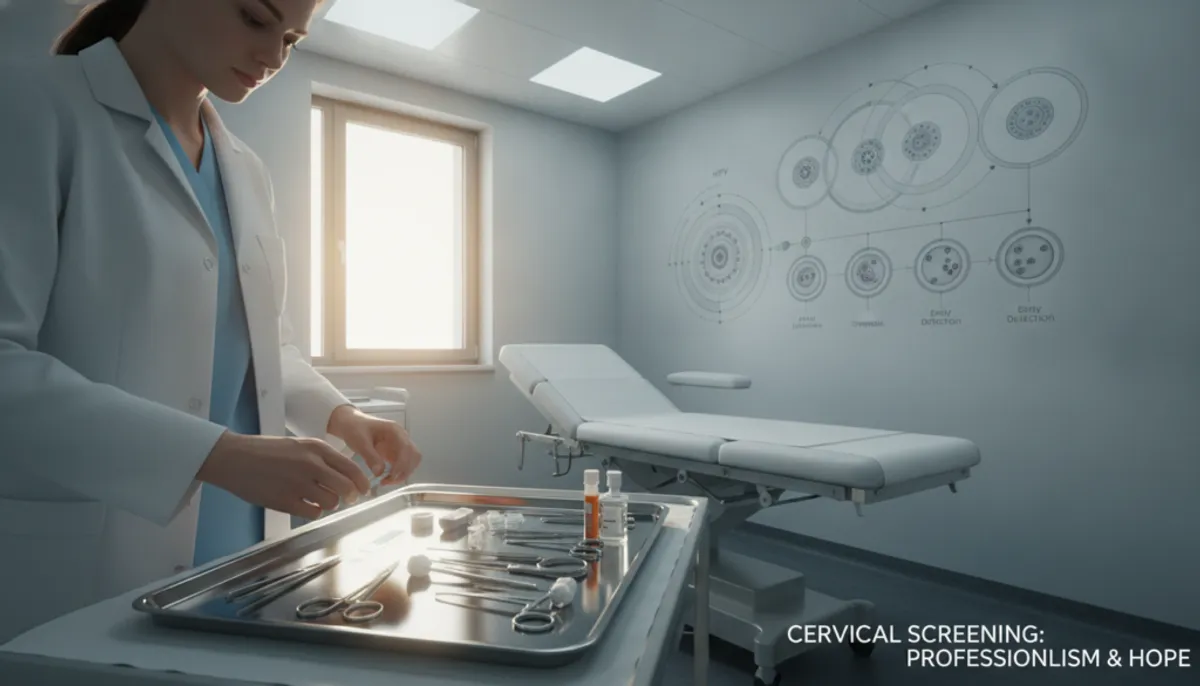
The cervical smear is an essential exam for women's health. From age 25, it is recommended to detect precancerous lesions related to HPV viruses. This screening is crucial to prevent cervical cancer.
The healthcare professional collects cells from inside the cervix using a small stick after inserting a speculum. These cells are then sent to a pathology laboratory. The goal is to check for the absence of precancerous lesions.
Here are some recommendations regarding the Pap smear:
- Performed systematically starting at age 25.
- A smear is recommended the following year, then every 3 years until age 30.
- After age 30, it is recommended to do it every 5 years.
- Light bleeding may occur after the exam, so it is wise to plan for sanitary protection.
| Age | Frequency of Pap Smear |
|---|---|
| 25 years | First Pap Smear |
| 26 years | Second Pap Smear |
| 27-30 years | Every 3 years |
| 30 years and older | Every 5 years |
Tips to Feel Comfortable During the Gynecological Exam
Mental preparation for a medical consultation can be challenging. Choosing the right healthcare professional is essential for each patient to feel comfortable. You have the option to select a doctor or midwife, male or female, according to your personal preferences.
Once you have made your choice, it is important to communicate your needs. Open communication helps dispel fears related to nudity and the exam. You can request to be covered with a sheet during the exam to feel more comfortable.
Confidentiality is also paramount. Medical confidentiality ensures that you can freely discuss your intimate concerns. If it reassures you, do not hesitate to come accompanied by a trusted person.
- Choosing the doctor or midwife is an important step for the patient to feel completely confident.
- You can ask to be covered with a sheet during the gynecological exam to feel more comfortable and relaxed.
- Open communication with the healthcare professional helps dispel fears related to nudity during the gynecological exam.
- Confidentiality is guaranteed by medical secrecy, ensuring that each patient can express herself freely about her intimate concerns.
- Do not hesitate to come accompanied by a trusted person if it helps you better approach the consultation process.
Complementary Tests and Preventive Exams
Complementary tests play an essential role in the early detection of health issues. Among them, the breast exam and mammogram are particularly important.
Breast Exam and Mammogram
The mammogram is a breast X-ray recommended every two years for women starting at age 50. This screening is crucial for identifying breast cancer at an early stage.
This technique allows for detecting non-palpable tumors, thus increasing the chances of rapid recovery. The compression of the breasts between two plates during the mammogram is necessary to obtain high-quality diagnostic images.
Breast Self-Examination and Its Regular Practice
Breast self-examination should be practiced regularly, ideally between the third and seventh day after the start of menstruation. The doctor shows the patient how to palpate her breast to identify any abnormalities or nodules requiring further investigation.
| Type of Exam | Recommended Frequency | Age |
|---|---|---|
| Mammogram | Every 2 years | From 50 years |
| Breast Self-Examination | Monthly | From 20 years |
| Medical Consultation | Annually | All ages |
Management of Emergency Situations and Emergency Contraception
Managing emergency situations in reproductive health is essential for every woman. In the case of unprotected intercourse, there is a risk of unplanned pregnancy requiring prompt attention.
There are several options for emergency contraception:
- Hormonal emergency contraception consists of a single pill to be taken as soon as possible to effectively delay ovulation.
- The copper intrauterine device, measuring about 3 cm, can be inserted into the uterus within 5 days after intercourse.
- The IUD prevents the implantation of the egg on the endometrial wall, providing effective protection against unwanted pregnancy.
An unprotected intercourse also exposes to a risk of STIs, requiring a prompt consultation with your doctor or midwife. It is crucial to act quickly to preserve your health.
The Recommended Frequency of Gynecological Check-Ups
It is essential to plan regular check-ups to ensure good reproductive health. From the age of 20, it is recommended for women to have check-up visits at least once a year.
The frequency of exams may vary depending on the individual risk of each patient. This is especially true for those with a family history of serious diseases.
If issues arise, such as pain or abnormal discharge, it is important not to wait for the annual check-up to consult a doctor.
The attending physician will adjust the follow-up according to the age and specific needs of each woman. This ensures optimal prevention.
These regular appointments are essential for maintaining good reproductive health and for the early detection of any changes requiring medical intervention.
- Recommended check-up visits annually starting at age 20.
- Frequency of exams according to individual risk.
- Consult quickly in case of issues.
- Follow-up adapted by the doctor according to age and needs.
- Regular appointments for good reproductive health.
Dismantling Myths and Realities Surrounding the Gynecological Exam
It is essential to clarify certain myths surrounding women's health exams. Many women fear this exam due to false ideas circulating. However, it is important to understand that the exam is not mandatory and requires the explicit consent of the patient at every stage.
Doctors and midwives are trained to examine all intimate areas with respect. They can also be reassuring to dispel common myths. Here are some facts that can help reduce anxiety:
- The patient's consent must be obtained systematically.
- Clear information about cell sampling or cervical examination can be provided.
- Detected abnormalities during an exam can be effectively treated.
- Each action, such as the Pap smear or ultrasound, can be explained to ensure a positive experience.
| Myth | Reality |
|---|---|
| The exam is mandatory. | Consent is required at every stage. |
| Doctors are not understanding. | They are trained to reassure and explain. |
| Abnormalities are always serious. | Many can be treated effectively. |
News and Recommendations in Women's Health
The new guidelines in gynecological health emphasize prevention and screening. The National Council of the Order of Midwives has collaborated to create educational resources to improve women's follow-up.
The Resendo network and the Mutual Institute Montsouris are working together to disseminate recommendations based on current medical research. These recommendations highlight the importance of screening for cervical cancer and managing pelvic disorders.
The doctor plays a key role in transmitting health information. This helps each patient better understand her exams and the necessary tests. Research continues to evolve to offer less invasive and more precise screening methods for all women in France.

Conclusion
Caring for one's health is a vital act for every woman. The gynecological exam is a fundamental pillar of women's health, allowing for effective prevention against many serious diseases.
By understanding the procedures of exams like the Pap smear or palpation, each patient can approach her appointments with serenity. The regularity of check-ups, tailored according to age and history, remains the best way to detect any potential issues early.
Never forget that you have the right to ask questions and request explanations from your doctor or midwife. Taking care of your reproductive health contributes to your overall well-being throughout your life.
FAQ
How often should I have a gynecological exam?
It is recommended to consult a healthcare professional at least once a year, especially after age 21, or more frequently if health issues arise.
What is a Pap smear and why is it important?
A Pap smear is a cell sample taken from the cervix. It helps detect abnormalities and prevent cervical cancer through early screening.
How should I prepare for a gynecological exam?
It is advisable to avoid sexual intercourse, vaginal douches, and not to use tampons 24 hours before the exam to ensure accurate results.
What are the steps of the pelvic exam?
The pelvic exam includes palpation of the abdomen, a visual examination of the external genital organs, and the use of a speculum to examine the cervix and vagina.
Is the gynecological exam painful?
Most women experience slight discomfort, but the exam should not be painful. Do not hesitate to discuss any pain with your doctor.
What should I do if abnormalities are detected during the exam?
If abnormalities are detected, your doctor will explain the next steps, which may include additional tests or regular follow-up.
What symptoms should prompt me to see a doctor?
Pelvic pain, abnormal bleeding, changes in your menstrual cycles, or anomalies during breast self-examination are reasons to consult quickly.
What is a gynecological ultrasound?
It is an imaging exam that uses sound waves to visualize the reproductive organs, allowing for the detection of anomalies such as cysts or fibroids.