
The contraceptive implant is an effective hormonal contraception method. This medical device, in the form of a small rod, is designed to provide long-term protection for women who wish to avoid an unwanted pregnancy. According to the High Authority of Health (HAS), this method is one of the most effective available on the French market.
The device appears as a small flexible rod, inserted under the skin. It continuously releases hormones, which block ovulation. However, it is essential to consult a healthcare professional to assess whether this method is suitable for your personal situation.
This choice should be made considering your health and medical history. Each woman can discuss with her doctor the advantages and disadvantages of this method. Reproductive health is a priority, and it is crucial to choose appropriate contraception.

Key Points to Remember
- The implant is a device 4 cm long and 2 mm in diameter.
- It releases a progestin to block ovulation.
- This method is extremely reliable for women seeking a lasting solution.
- It does not protect against sexually transmitted infections.
- Discuss with your doctor its suitability for your lifestyle.
Introduction to the Contraceptive Implant
The implant, a hormonal rod, represents a long-term contraception option. This small device measures 4 cm long and 2 mm in diameter. It contains a specific progestin hormone, released continuously.
Unlike the pill, which requires daily intake, this rod releases the progestin steadily into the bloodstream. This ensures reliable protection against pregnancy.
The main mechanism of the implant is to block ovulation. Additionally, it alters the cervical mucus, making fertilization very difficult.
This method is ideal for women seeking an effective contraceptive solution without having to think about it daily. The composition of the rod is rigorously controlled to ensure stable hormone release throughout the intended usage period.
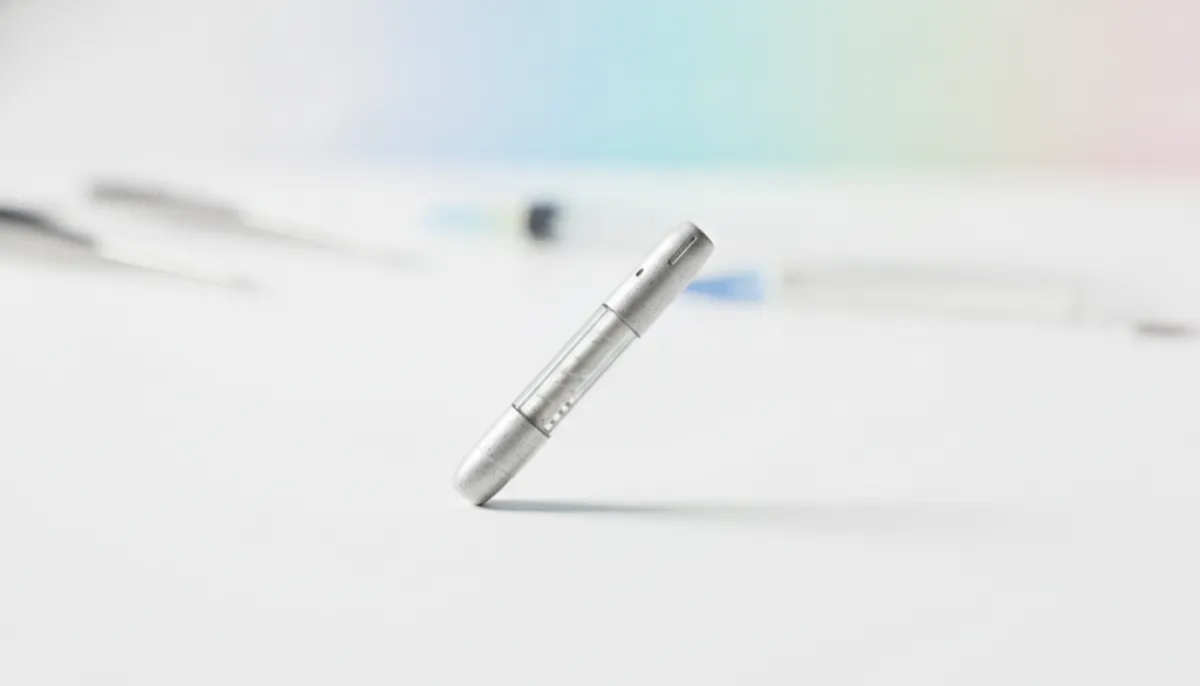
Contraceptive Implant: Functioning, Duration, and Effectiveness
With a remarkable effectiveness rate, this method is ideal for active women. The contraceptive implant offers an estimated effectiveness of 99.9% when properly inserted by a healthcare professional. This device is designed to work continuously for a maximum duration of 3 years, thus eliminating the risks of forgetting associated with the pill.
It serves as a second-line solution for women for whom estrogen-progestin is contraindicated or who often forget their pill. In case of doubt about its effectiveness, it is important to remember that this contraception is active from the moment of insertion in certain cases.
The duration of 3 years provides total peace of mind for women who do not wish to manage daily contraception. This makes it a highly appreciated option among various contraceptive methods.

Insertion Procedure and Post-Implementation Follow-Up
The insertion procedure of this device is essential to ensure its effectiveness. The implant insertion is generally performed between the 1st and 5th day of the cycle. This process is done under local anesthesia, whether by injection, cream, or patch, to ensure optimal comfort.
After the insertion, it is recommended to apply a dressing and a compression bandage. This helps reduce the risk of bruising at the arm where the implant has been inserted. A follow-up visit is imperative three months after the procedure. This allows checking that the implant is properly positioned and well tolerated.
The insertion is performed by a healthcare professional in the groove between the bicep and tricep of the non-dominant arm. This medical follow-up after 3 months also ensures that no signs of immediate postoperative complications are present.

Contraindications and Warnings
It is crucial to know the contraindications before choosing a contraception method. Certain medical conditions may exclude the use of this device. The recommendations of the ANSM are clear on this matter.
Excluding Medical Conditions
This device is contraindicated in cases of:
- Thrombosis or history of pulmonary embolism.
- Severe liver disease or liver cancer.
- Hormone-dependent cancers, such as breast cancer.
ANSM Recommendations and Healthcare Professional Advice
It is imperative to consult a doctor to assess individual risks before making any decision regarding this method. The health of patients relies on strict adherence to the ANSM recommendations regarding insertion and follow-up conditions.
Every healthcare professional must be trained in the insertion technique to minimize the risks of serious medical complications.
| Medical Condition | Exclusion |
|---|---|
| Thrombosis | Yes |
| Severe liver disease | Yes |
| Breast cancer | Yes |
| Pulmonary embolism | Yes |

Side Effects and Associated Risks
The risks and side effects are crucial aspects to consider before opting for this method. Some women may experience undesirable effects when using this contraception option.
Common side effects include headaches, nausea, acne, and significant changes in the menstrual cycle. Irregular bleeding or a complete disappearance of periods may also occur.
Although rare, the migration of the implant to the pulmonary artery represents a serious medical emergency. This requires immediate management in a hospital setting. Neurovascular complications may also occur if the implant is inserted too deeply into the arm by an untrained practitioner.
In case of respiratory symptoms such as cough or chest pain, it is essential to consult a doctor to rule out any risk of pulmonary embolism.
Health Impacts and Weight Gain
The effects on metabolism may vary from one woman to another when using hormonal devices. Weight gain is a side effect reported by some users. However, its impact may differ among individuals.
It is advisable to monitor your weight regularly. Discussing any significant changes with your primary care physician or gynecologist is essential. This allows for evaluating metabolic side effects in the context of a comprehensive follow-up of your health.
In overweight women, the effectiveness of the method may be slightly diminished before the end of the 3-year period. Maintaining a balanced lifestyle helps limit potential undesirable effects related to hormonal fluctuations.
Practical Guide to Check the Presence of the Implant
Checking the presence of your device under the skin is essential for your peace of mind. It is recommended to gently palpate the arm 1 to 2 times a month. This allows you to ensure that the rod is still in place.
If you no longer feel the device under the skin, it is crucial to contact your doctor without delay. They can help you locate the device and avoid any potential risks.
The healthcare professional should show you how to check the position of the implant immediately after insertion. In case of suspected displacement of the device, a prompt consultation is necessary to prevent any complications.
- Gently palpate the arm to check for the presence of the implant.
- Contact your doctor if the rod is no longer palpable.
- Ensure you understand the verification method during insertion.
- Consult promptly in case of suspected displacement to avoid risks.
- Regular palpation is an essential safety measure.
Role of Healthcare Professionals in Managing the Contraceptive Implant
The management of a hormonal device relies on the expertise of a healthcare professional. The doctor or midwife is authorized to perform the insertion and removal of the contraceptive device. It is important to consult these professionals to ensure correct and safe usage.
The removal can be done at any time, and the professional must be trained to extract the rod safely. For women over 26 years old, the cost of the implant insertion is €101.58, with a 65% reimbursement by Health Insurance.
The midwife plays a key role in regular follow-up and educating patients on the use of their hormonal contraception. Ongoing training for the professional is essential to ensure that each insertion and removal occurs under optimal conditions.
Conclusion
Protection against unwanted pregnancy is ensured by this innovative system. The contraceptive implant remains a highly effective contraception solution for women seeking reliable protection for a duration of 3 years.
It is essential to discuss with your doctor or midwife to assess whether this method is suitable for your health profile. The device can be removed at any time by a qualified professional, allowing for a quick return to natural fertility.
Regular monitoring, including palpation of the arm, is a key step to ensure the safety and proper functioning of the implant. In case of doubt or persistent side effects, never hesitate to seek the advice of a professional to adjust your contraceptive strategy.
FAQ
What is a contraceptive implant?
A contraceptive implant is a small rod inserted under the skin, usually in the arm, that releases hormones to prevent ovulation.
How long is the implant effective?
The implant is effective for up to three years, providing continuous contraception without requiring daily intake.
What are the possible side effects?
Side effects may include headaches, nausea, changes in periods, and, in rare cases, implant migration.
How is the implant inserted?
The insertion is done under local anesthesia, which minimizes discomfort. A healthcare professional inserts the implant in a few minutes.
What are the contraindications for using the implant?
Certain medical conditions, such as thrombosis or liver disorders, may exclude the use of this device. It is essential to consult a healthcare professional.
Can the implant cause weight gain?
Some women report weight fluctuations, but this varies from person to person. Regular monitoring is advised.
What should I do if I can't feel the implant under my skin?
If you cannot palpate the implant, it is important to consult your doctor to check its position and ensure it is still in place.
What is the importance of medical follow-up after insertion?
Medical follow-up is crucial to evaluate the effectiveness of the implant and manage any potential side effects. A follow-up visit is recommended after three months.
Does the implant affect my periods?
Yes, the implant can lead to changes in periods, such as irregular bleeding or absence of periods, which is normal for some women.
Who can insert the implant?
The insertion of the implant must be performed by a qualified healthcare professional, such as a doctor or midwife, to ensure safety and effectiveness.