
Fertility is a topic that concerns many women. Indeed, a study from Yale University revealed that 40% of women of childbearing age worry about their ability to have a child. Understanding the various elements that influence the ability to conceive is essential for any woman wishing to successfully pursue her motherhood project.
It is important to know the biological mechanisms of fertility. This helps improve the chances of pregnancy and maintain reproductive health in the long term. Unfortunately, many women are not informed about the fundamental aspects of their cycle, which can hinder their desire to become mothers.
This guide aims to explore the key factors that influence fertility. We wish to provide you with reliable and verified information to help you navigate this journey with peace of mind.

Key Points to Remember
- Fertility is a complex subject requiring a deep understanding.
- 40% of women of childbearing age express concerns about their ability to have a child.
- Understanding biological mechanisms is essential to improve chances of pregnancy.
- Many women are unaware of the fundamental parameters of their cycle.
- This guide explores the key factors influencing fertility.
Introduction to Female Fertility
Knowing the elements influencing the ability to conceive is crucial for women. Fertility relies on the proper functioning of the ovaries. These release a healthy egg that then migrates into the fallopian tubes for fertilization.
At birth, each woman has an impressive stock of 2 million ovarian follicles. However, only 450 of them will become mature eggs during her lifetime. The menstrual cycle is orchestrated by hormones like FSH and LH, preparing the uterus to welcome a future embryo.
Reproduction depends on the meeting between an egg and a sperm. This process can only occur during a limited period each month. Therefore, good reproductive function is crucial for the embryo to implant correctly in the uterus.

| Elements | Function | Importance |
|---|---|---|
| Ovaries | Release of eggs | Essential for fertilization |
| Fallopian Tubes | Transport of eggs | Site of fertilization |
| Uterus | Implantation of the embryo | Site of embryonic development |
Understanding the Menstrual Cycle and Ovulation
The menstrual cycle plays an essential role in women's conception ability. Each month, this cycle consists of several phases that prepare the body for a potential pregnancy.
The different phases of the cycle include the follicular phase, ovulation, and the luteal phase. During the follicular phase, the ovaries prepare eggs for fertilization. Ovulation occurs when one of these eggs is released, marking the key moment for conception.
Ovulation signals can be detected by observing body temperature and cervical mucus. An increase in temperature indicates that ovulation has occurred, while cervical mucus becomes clearer and more elastic.
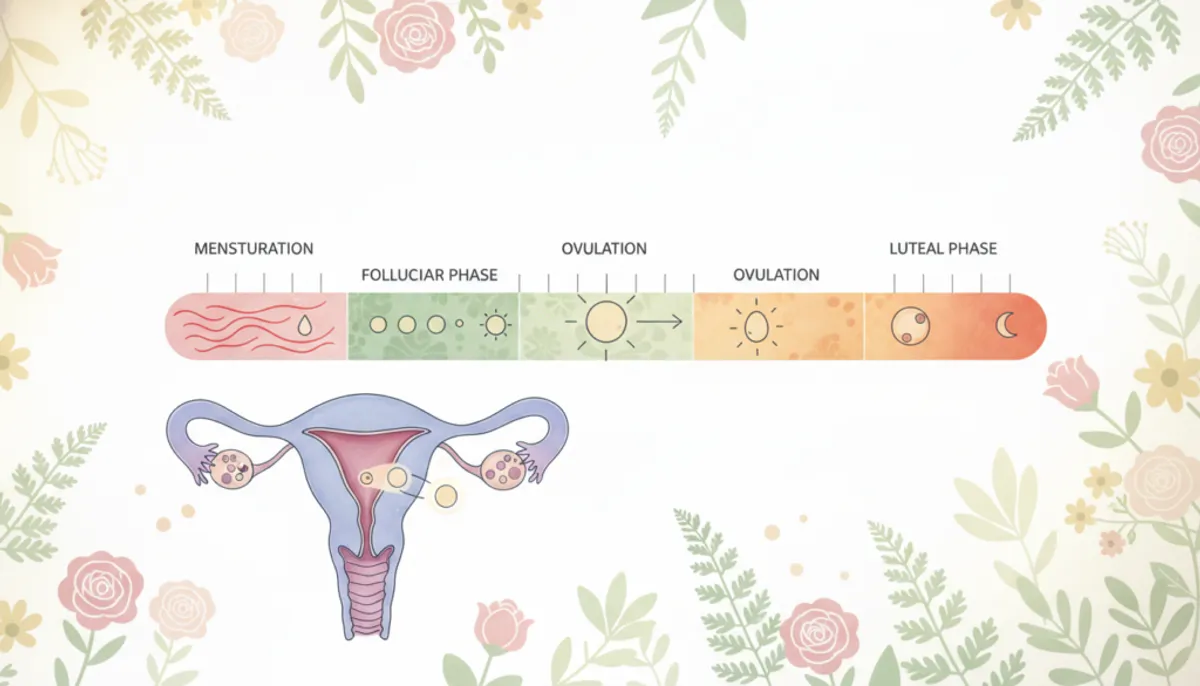
- The fertility window opens 5 days before ovulation and closes on the same evening.
- Symptothermal methods, which observe temperature and cervical mucus, have a reliability of 98.2%.
- Sexual intercourse should be targeted during this period, as the egg survives only 12 to 24 hours after its release.
- Progesterone, secreted after ovulation, increases body temperature by 0.2 to 0.5°C.
- 4 out of 10 ovulation tests may be defective, making bodily observation more reliable.
Factors Influencing Fertility
The ability to conceive can be influenced by several factors. Among them, hormonal imbalances and certain pathologies can play a crucial role. It is essential to understand how these elements can affect the menstrual cycle and ovulation.
Disorders like endometriosis can obstruct the fallopian tubes. This creates adhesions that complicate fertility and make the reproductive journey more difficult. Additionally, polycystic ovary syndrome (PCOS) is a common cause of anovulation, disrupting the cycle and making conception more complex.
Stress, for its part, can reduce the chances of conception by 40%. This underscores the importance of a balanced lifestyle for women's reproductive health. An inappropriate weight, whether insufficient or excessive, can also be a limiting factor.
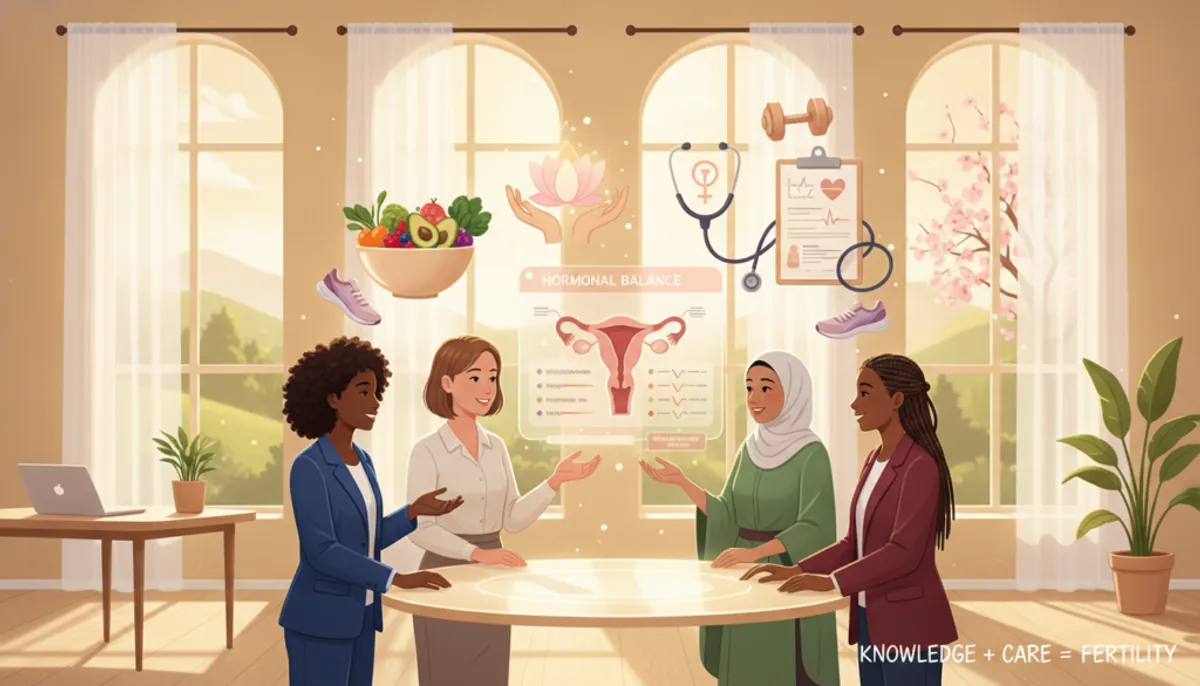
| Factor | Impact on Fertility | Preventive Measures |
|---|---|---|
| Hormonal Imbalances | Can lead to cycle irregularities | Regular medical consultation |
| Endometriosis | Obstruction of the fallopian tubes | Monitoring of symptoms |
| Stress | Reduces chances of conception | Relaxation techniques |
| Weight Disturbances | Influence on ovulation | Balanced diet |
| Sexually Transmitted Infections | Damage to reproductive organs | Regular screening |
Optimizing Female Fertility
To optimize the chances of conception, it is essential to adopt healthy lifestyle habits. This includes a balanced diet and practices that promote reproductive health.
Here are some practical tips:
- A nutritious diet, rich in good fats and vitamins, could increase the chances of having a baby by 69%.
- Cervical mucus protects the sperm, allowing it to survive up to 5 days in the female genital tract.
- Quitting smoking is crucial, as cigarettes impair the movement of the cilia in the tubes, slowing the migration of the embryo to the uterus.
- Managing stress through exercise or meditation helps maintain a favorable hormonal environment.
- It is recommended to choose a methylated vitamin B9 to support embryonic health from the beginning of conception.

By integrating these tips into your daily life, you increase your chances of conceiving and experiencing a fulfilling pregnancy.
The Importance of Oocyte and Endometrium Quality
The quality of oocytes and the endometrium is essential for successful conception. These two elements play a key role in the pregnancy process.
The quality criteria for oocytes are crucial. With age, the quality of oocytes decreases, which can affect the development of the embryo. This also increases the risk of early pregnancy loss.
Criteria for Oocyte Quality
- A chromosomal abnormality in the eggs can prevent the correct development of the embryo.
- Oocyte quality is a fundamental pillar of conception.
Optimal Preparation of the Uterine Lining
For successful implantation, the endometrium must be sufficiently vascularized and thick. This occurs under the influence of progesterone, which prepares the uterus to welcome the embryo.
- Dr. Ledée emphasizes that uterine receptivity requires precise timing.
- The uterine lining prepares itself each menstrual cycle, creating the necessary roughness for the implantation of the egg.
Medical and Natural Solutions for Conception
Exploring the options available to help conceive a child is essential for many women. The solutions can vary, ranging from hormonal assessments to assisted reproductive treatments. These approaches aim to improve the chances of pregnancy and overcome infertility-related obstacles.
A comprehensive hormonal assessment is often recommended. This includes tests to evaluate FSH and LH levels, which can reveal underlying hormonal disorders. Imaging exams, such as ultrasounds, can also help examine the condition of the fallopian tubes and uterus.
Hormonal Assessment and Imaging Exams
These evaluations help identify possible causes of infertility. If problems are detected, several options are available to couples.
Assisted Reproductive Options and Dietary Supplements
- In Vitro Fertilization (IVF) is a method that allows for the fertilization of the egg in the laboratory before the embryo is implanted in the uterus.
- Artificial insemination involves directly introducing sperm into the uterus to maximize the chances of meeting the egg.
- Gamétix F contains Myo-inositol, zinc, and vitamins B9 and B12, which support reproductive health.
- Selenium in certain supplements helps protect oocytes from oxidative stress.
| Solution | Description | Objective |
|---|---|---|
| Hormonal Assessment | Evaluation of hormonal levels | Identify hormonal disorders |
| IVF | Laboratory fertilization | Facilitate embryonic implantation |
| Artificial Insemination | Direct introduction of sperm | Maximize chances of conception |
| Dietary Supplements | Vitamins and minerals supplements | Improve reproductive health |
The Impact of Age and Other Parameters
Age plays a determining role in women's ability to conceive. Indeed, fertility gradually decreases over time. Women may encounter difficulties in conceiving as they age. This reality is often linked to the quality of oocytes, which deteriorates over time.
It is also crucial to consider other key elements. For example, sexually transmitted infections can cause irreversible damage to the fallopian tubes. This significantly impacts fertility. Additionally, anomalies like a septate uterus can limit the available space for a pregnancy.
Here are some important points to remember:
- With two partners without fertility issues, the probability of conceiving is 25-30% per cycle.
- Ovarian reserve, measured by AMH, should be analyzed alongside FSH and estrogen levels.
- Sexually transmitted infections can permanently affect fertility.
- Premenopause can begin as early as the late thirties, leading to irregular cycles.
| Parameter | Impact | Notes |
|---|---|---|
| Age | Decreased quality of oocytes | Impact on fertility |
| Infections | Damage to fallopian tubes | Can cause infertility |
| Uterine Anomalies | Limitation of space for pregnancy | Requires medical management |
Conclusion
Understanding the nuances of conception is essential for every woman. Reproductive health is a delicate balance that can be optimized through a better understanding of one's menstrual cycle. Infertility is not a fatality, and many solutions exist to support women in their desire for children.
It is important to observe cervical mucus and manage stress, as these elements can significantly increase your chances of conception. In case of persistent difficulties, consulting a healthcare professional is crucial. Stay attuned to your health and adopt a suitable lifestyle. This will allow you to maximize your chances of success.
FAQ
What are the signs of ovulation?
The signs of ovulation include a slight increase in body temperature, changes in cervical mucus, which becomes clearer and more elastic, and sometimes mild pain in the lower abdomen.
How does stress affect fertility?
Stress can disrupt hormonal balance, which can affect the menstrual cycle and reduce chances of conception. It is important to find ways to manage stress to optimize fertility.
What are common causes of infertility?
Causes of infertility can include hormonal imbalances, fallopian tube issues, uterine anomalies, or disorders related to the quality of oocytes or sperm.
What advice would you give to improve oocyte quality?
To improve oocyte quality, it is advisable to adopt a balanced diet, maintain a healthy weight, exercise regularly, and avoid tobacco and alcohol.
What is assisted reproductive technology?
Assisted reproductive technology (ART) includes techniques such as in vitro fertilization (IVF) and artificial insemination, which help couples conceive when difficulties arise.
What is the impact of age on fertility?
Age has a significant impact on female fertility. The quality and quantity of oocytes decrease with age, making conception more difficult after 35.
How to prepare the uterus for pregnancy?
To prepare the uterus, it is important to maintain good overall health, manage infections, and follow a nutrient-rich diet that promotes the health of the endometrium.