
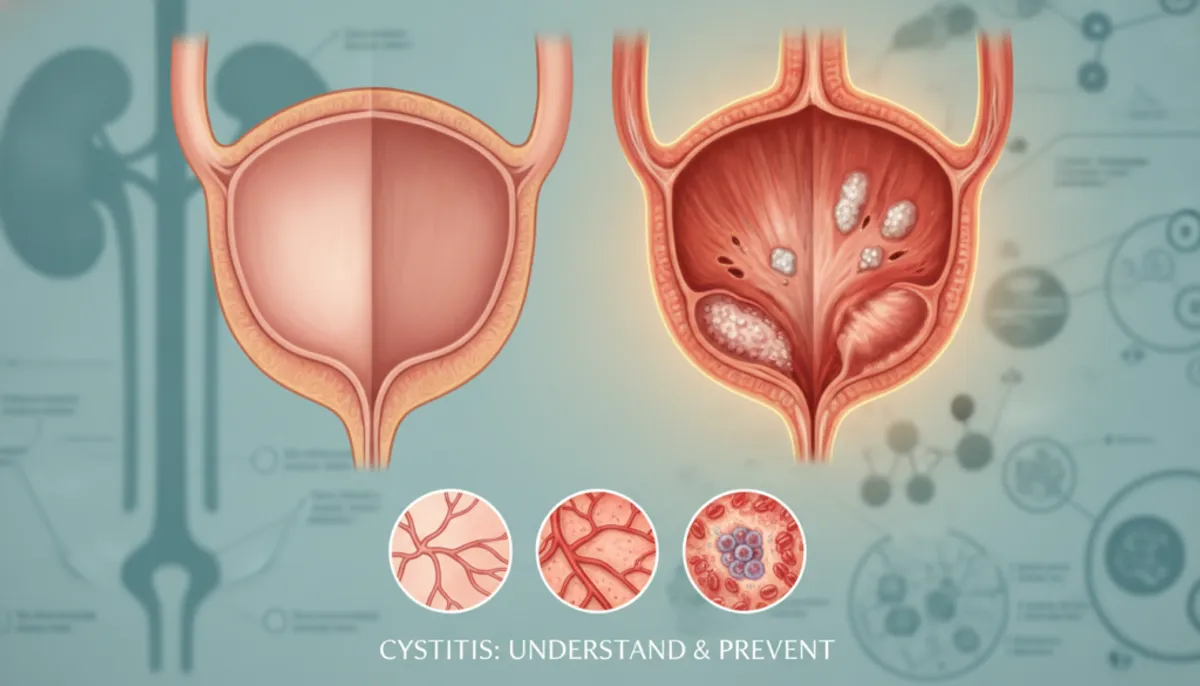
Cystitis is a common infection that affects the bladder. It can cause unpleasant and sometimes debilitating symptoms. Dr. Felipe Villacampa Aubá, an expert in urology, emphasizes the importance of early screening to prevent this infection from becoming a chronic issue.
Understanding the causes of this cystitis infection is essential to protect your urinary system. Bacteria can colonize the urethra, leading to recurrent urinary infections. By adopting healthy habits, you can reduce the risk of recurrence.
In this article, we will explore the available treatments and how to manage the pain associated with this condition. Follow our guide to identify warning signs and improve your quality of life.
Key Points to Remember
- Cystitis is a common infection requiring special attention.
- Early treatment is essential to avoid complications.
- Cystitis symptoms can be debilitating without medical intervention.
- Women are at higher risk for frequent recurrences.
- Adopting good habits helps protect your bladder health.
Introduction to the Recurrence Prevention Guide
Urinary infections, particularly those affecting the bladder, are common. They can cause annoying symptoms and affect daily life. Cystitis is a common form of this infection, often underestimated.
The Clínica Universidad de Navarra emphasizes the importance of preventing each new infection. Recurrent cystitis can severely impact quality of life. This requires rigorous treatment to avoid long-term complications.
In many cases, prevention relies on therapeutic education. This helps patients understand the mechanisms of their urinary infection. This guide offers strategies based on clinical standards to quickly regain optimal bladder comfort.
We will also address public health issues related to cystitis, a condition affecting millions of people each year.
Understanding Cystitis: Definition and Issues
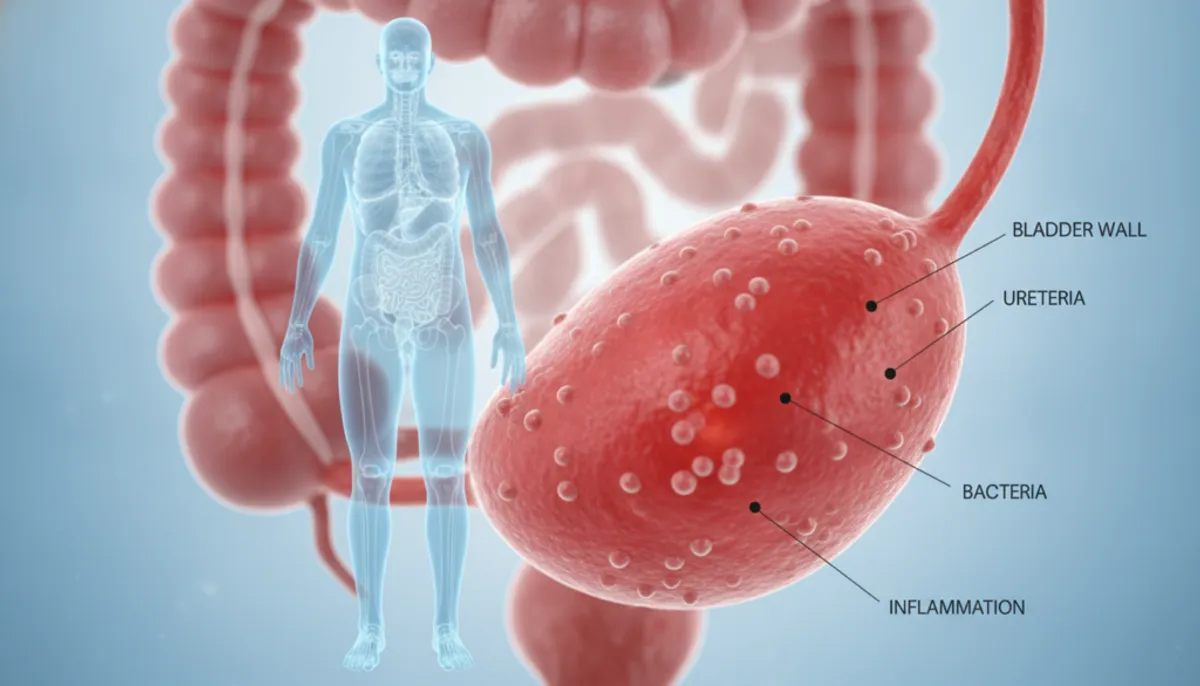
The inflammation of the bladder, often referred to as cystitis, is a common condition. It manifests as irritation of the bladder wall, causing pain in the lower abdomen and discomfort during urination. Symptoms can include frequent urges to urinate and persistent pain.
Dr. Felipe Villacampa Aubá highlights the importance of prompt management. Indeed, untreated cystitis can cause intense pain and significantly alter quality of life. Here are some consequences of untreated cystitis:
| Consequences | Impact on Daily Life | Importance of Prevention |
|---|---|---|
| Intense pain | Makes daily activities difficult | Reduces the risk of recurrence |
| Recurrent infections | Weakens the bladder lining | Protects the urinary system |
| Complications | Can lead to more serious problems | Early consultation with a doctor |
Preventing recurrences is crucial. Each new episode of urinary infection further weakens the bladder lining. Therefore, it is essential to consult a doctor at the first signs of symptoms to establish an accurate diagnosis and avoid complications.
Causes and Risk Factors for Urinary Infections Related to Cystitis
Understanding the causes of urinary infections is essential to prevent cystitis. The majority of urinary infections are caused by bacteria, particularly Escherichia coli, which accounts for 85% of cases in sexually active women.
Various risk factors influence the occurrence of these infections:
- The shortness of the urethra in women facilitates the ascent of bacteria to the bladder.
- The use of contraceptives like diaphragms increases the risk of infection by up to four times.
- Sexual intercourse can increase the risk of infection by up to 40 times.
- Pregnancy alters anatomy and hormones, promoting urine stagnation.
- Men, although less affected, may encounter kidney problems that increase risk.
- Menopause and diabetes are also factors that can promote urinary infections.
Identifying Symptoms and Establishing an Accurate Diagnosis
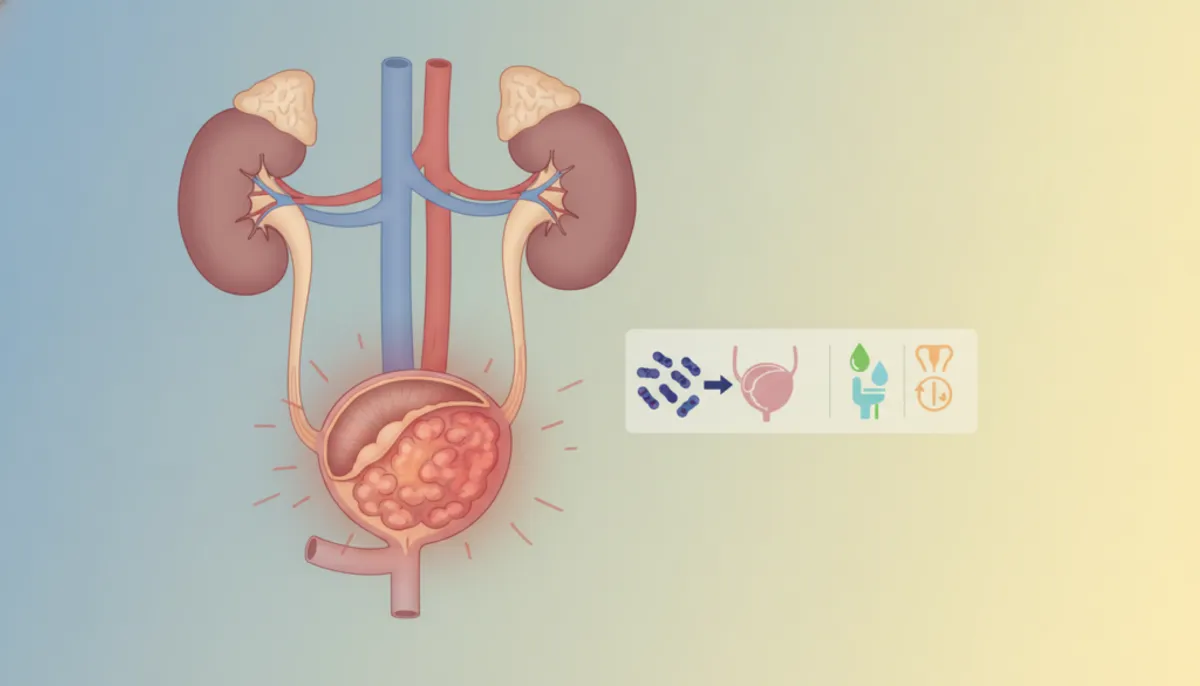
Identifying the symptoms of a urinary infection is essential for effective treatment. The most common symptoms include burning during urination and a constant feeling of needing to urinate. Pollakiuria, or the frequent need to go to the bathroom for small amounts, is a major clinical sign of cystitis.
It is also important to note that hematuria, which is the presence of blood in the urine, requires a medical consultation to rule out complications. Unlike other urinary infections, cystitis typically presents without fever, which aids in differential diagnosis.
To confirm the diagnosis, additional tests, such as a urine culture, are necessary. These tests help verify the presence of significant bacteriuria. It is crucial to monitor these symptoms to prevent the infection from becoming a chronic problem requiring heavy treatments.

An accurate diagnosis allows for distinguishing between an isolated infection and recurrent cystitis, thus guiding the therapeutic choice.
| Symptoms | Meaning | Importance |
|---|---|---|
| Burning | Discomfort during urination | Indicates irritation of the bladder |
| Pollakiuria | Frequent need to urinate | Major clinical sign of cystitis |
| Hematuria | Presence of blood in the urine | Requires medical evaluation |
Daily Prevention: Hygiene, Hydration, and Lifestyle Habits
Good hygiene and adequate hydration are crucial for preventing urinary infections. By adopting simple measures, you can significantly reduce the risk of cystitis.
Here are some essential self-care measures:
- Hydration: Drink plenty of water to flush out bacteria from the urinary system before they can colonize the bladder.
- Intimate hygiene: Good hygiene is essential to prevent the entry of bacteria into the urethra, especially in women after sexual intercourse.
- Urinate frequently: Do not hold in your urine. This reduces the risk of bacterial proliferation in the bladder.
- Cotton underwear: Opt for cotton underwear to keep the genital area dry and limit the risk of infections.
- Loose clothing: Avoid tight clothing to reduce moisture and heat, conditions favorable for bacterial growth.
These simple self-care measures are effective in preventing recurrent cystitis and improving bladder health daily. Remember to go to the bathroom regularly to completely empty the bladder, which limits the frequent need to urinate.

Treatments and Strategies to Limit Recurrences
It is essential to know the treatments and strategies to prevent cystitis recurrences. Several treatment options are available to manage this common infection.
Antibiotic Treatment Options and Alternatives
The standard antibiotic treatment, such as fosfomycin in a single dose, is often prescribed to effectively treat a bacterial cystitis. Other antibiotics like nitrofurantoin and trimethoprim/sulfamethoxazole are also commonly used.
- Fosfomycin facilitates adherence to treatment due to its single dosage.
- The duration of antibiotic treatment typically ranges from three to seven days.
- The doctor selects the treatment based on the responsible bacteria.
Complementary Strategies to Boost Immunity
In some cases, complementary treatments may be considered to boost immunity and prevent recurrences, especially in vulnerable women.
- Strictly following the treatments prescribed by the doctor is crucial.
- Lifestyle changes can also limit the risk of new infections.
Practical Tips and Tricks for Better Bladder Health
To maintain optimal bladder health, it is important to adopt healthy lifestyle habits. This can reduce the risk of urinary infections and improve your quality of life.
Recommended Lifestyle Habits
Here are some tips to strengthen your bladder health:
- Regular hydration: Drink enough water to help flush out bacteria from your system.
- Personal hygiene: Practice good intimate hygiene, especially after sexual intercourse.
- Consult a doctor: If you experience pain or fever, it is essential to consult a professional.
Tips for Adapting Your Daily Environment
Adapting your environment can also prevent infections:
- Avoid prolonged hospital stays, as this increases the risk of infection.
- For pregnant women, be vigilant to physiological changes that may promote urinary infections.
- Manage stress and maintain a strong immune system to reduce the risks of recurrent cystitis.
Conclusion
Your bladder health is vital for overall well-being. Preventing cystitis relies on a clear understanding of the symptoms and prompt action to avoid any serious infection.
By following your doctor's advice and adopting healthy habits, you can significantly reduce the risk of recurrences. The appropriate treatment, whether medication or based on self-care measures, is essential to protect your bladder.
Never overlook persistent pain, as it may be a sign of a complication requiring immediate medical attention. By staying informed and proactive, you take control of this condition and sustainably improve your quality of life.
FAQ
What is cystitis?
Cystitis is an inflammation of the bladder, often caused by a bacterial infection. It manifests as pain and frequent urges to urinate.
What are the symptoms of cystitis?
Symptoms include lower abdominal pain, burning during urination, and sometimes the presence of blood in the urine. There may also be a mild fever.
How to prevent urinary infections?
To prevent urinary infections, it is advisable to drink plenty of water, adopt good intimate hygiene, and urinate after sexual intercourse.
When to consult a doctor?
It is recommended to consult a doctor if symptoms persist, worsen, or are accompanied by fever or intense pain.
What treatments are available for cystitis?
Treatments include antibiotics to combat the infection. Natural remedies and lifestyle changes can also help.
Is cystitis common in women?
Yes, women are more likely to develop urinary infections due to their anatomy, particularly the proximity of the urethra to the anus.
What are the risks of complications?
If left untreated, cystitis can lead to complications such as kidney infections, which are more serious and require urgent medical care.
What tests can help diagnose cystitis?
Tests include a urine analysis to detect bacteria and signs of inflammation, as well as urine cultures to identify the pathogen.