
The cervical smear is an essential examination for women's health. It allows for the early detection of abnormalities in the cervix. This gynecological follow-up is crucial for preventing serious pathologies, particularly cervical cancer.
Since June 10, 2025, health authorities have emphasized the importance of screening. This preventive measure saves many lives each year. By regularly undergoing this examination, it is possible to monitor the evolution of cells and intervene before cervical cancer becomes invasive.
Prevention through the smear remains the most effective method to reduce the incidence of diseases affecting the female reproductive system. Every woman must understand that screening is a major public health act. It allows for optimal and serene gynecological follow-up.

Key Points to Remember
- The smear is crucial for women's health.
- Early screening can save lives.
- It helps monitor the evolution of cervical cells.
- Prevention is essential to avoid serious diseases.
- Every woman must be aware of the importance of this examination.
Introduction
Performing a cervical smear is a fundamental preventive gesture for women's health. This gynecological examination is quick and painless for the majority of women, according to data from Biogroup. It allows for continuous monitoring of the tissues of the cervix.
The smear is a simple medical procedure that requires little time. However, it provides essential protection against cancer risks. Health professionals recommend this examination for all eligible patients to ensure early diagnosis of cellular lesions.
It is crucial to demystify this examination. This will encourage women to regularly consult their practitioner for comprehensive gynecological follow-up. Active prevention through the smear is the best way to preserve health in the long term against oncological risks.
| Benefits of the Smear | Description |
|---|---|
| Prevention | Allows for early detection of abnormalities. |
| Speed | Quick examination, often performed during consultation. |
| Painless | Most women feel no pain. |
| Accessibility | Recommended for all eligible women. |

The Importance of the Smear in Prevention
Screening through the smear is an indispensable tool for gynecological health. This examination allows for the identification of abnormalities related to human papillomavirus before the appearance of precancerous or cancerous lesions. Through careful analysis of cervical cells, doctors can detect early changes.
The rapid detection of precancerous lesions is the primary objective of this examination. This helps to prevent the progression to invasive cervical cancer. Indeed, the smear is a powerful means of prevention that significantly contributes to reducing the mortality rate associated with cervical cancer.
By regularly monitoring the cells, practitioners can offer appropriate treatment as soon as the first abnormalities appear. Here are some key points to remember:
- Cervical cancer screening allows for the treatment of lesions before they become serious.
- The smear identifies early changes due to human papillomavirus infection.
- It helps reduce the risk of progression to invasive cancer.
- This screening is essential for public health and the well-being of women.
| Aspect | Description |
|---|---|
| Early Screening | Allows for the detection of abnormalities before they become serious. |
| Cell Analysis | Identifies changes related to a papillomavirus infection. |
| Prevention | Reduces the risk of invasive cervical cancer. |
| Medical Follow-up | Allows for rapid treatment of detected abnormalities. |
Differentiating the Smear and the HPV Test
Understanding the differences between the smear and the HPV test is essential for gynecological health. Both examinations play a crucial role in screening for cervical abnormalities. However, they focus on different aspects.
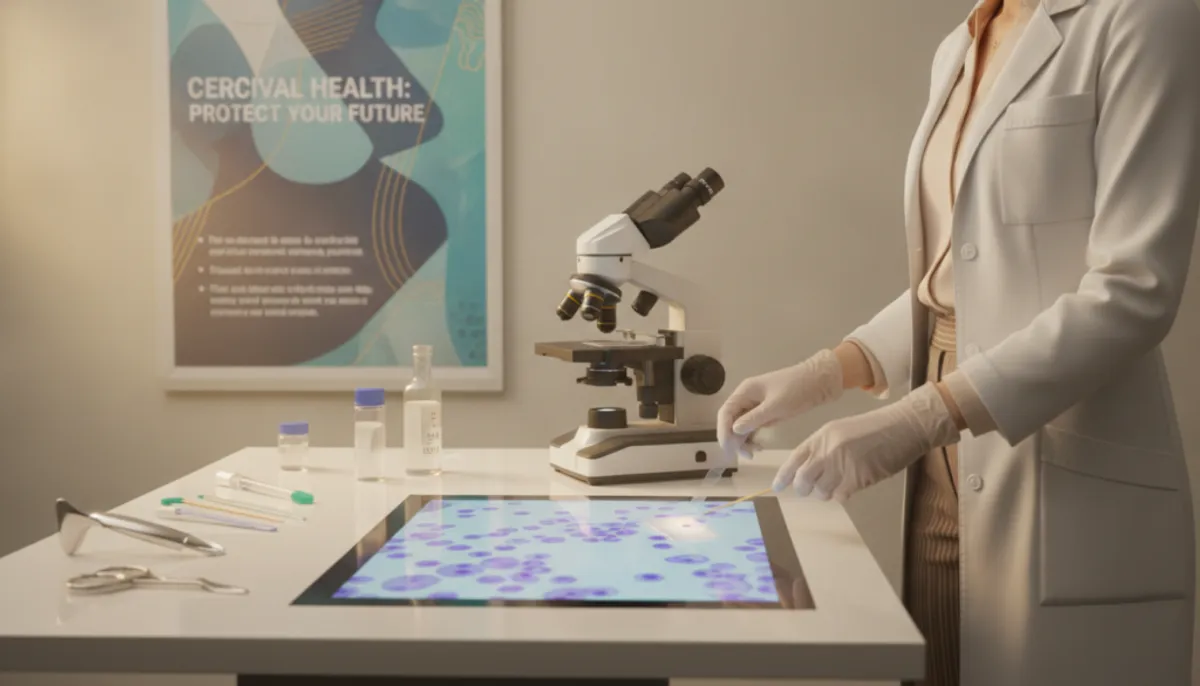
The smear involves collecting cells from the cervix to analyze their cytological appearance under a microscope. This allows for the detection of abnormal changes in the cells. In contrast, the HPV test looks for the viral DNA of human papillomavirus, even before the appearance of visible lesions.
Here are some key distinctions between these two examinations:
- The smear analyzes the appearance of cervical cells.
- The HPV test detects the presence of the virus responsible for persistent infections.
- Each examination helps doctors assess specific risks for each patient.
- The HPV test is recommended after the age of 30 as a reference for screening.
| Examination | Objective | Type of Analysis |
|---|---|---|
| Smear | Detect cellular abnormalities | Cytological analysis |
| HPV Test | Identify the presence of the virus | Search for viral DNA |

Frequency and Recommendations by Age
Gynecological follow-up begins at the age of 25, according to recommendations from the HAS. From this age, all sexually active women should undergo two smears at one-year intervals. After that, it is advisable to have a smear every three years.
From the age of 30, the HPV test replaces the classic smear. This test should be performed every five years if the result is negative. Screening can continue until the age of 65, provided the last tests are normal.
Doctors and midwives play a key role in this follow-up. They can recommend stopping screening when results are satisfactory. Additionally, regional cancer coordination centers (CRCDC) send invitations to facilitate access to this essential examination.
Procedure of the Examination and Its Specificities
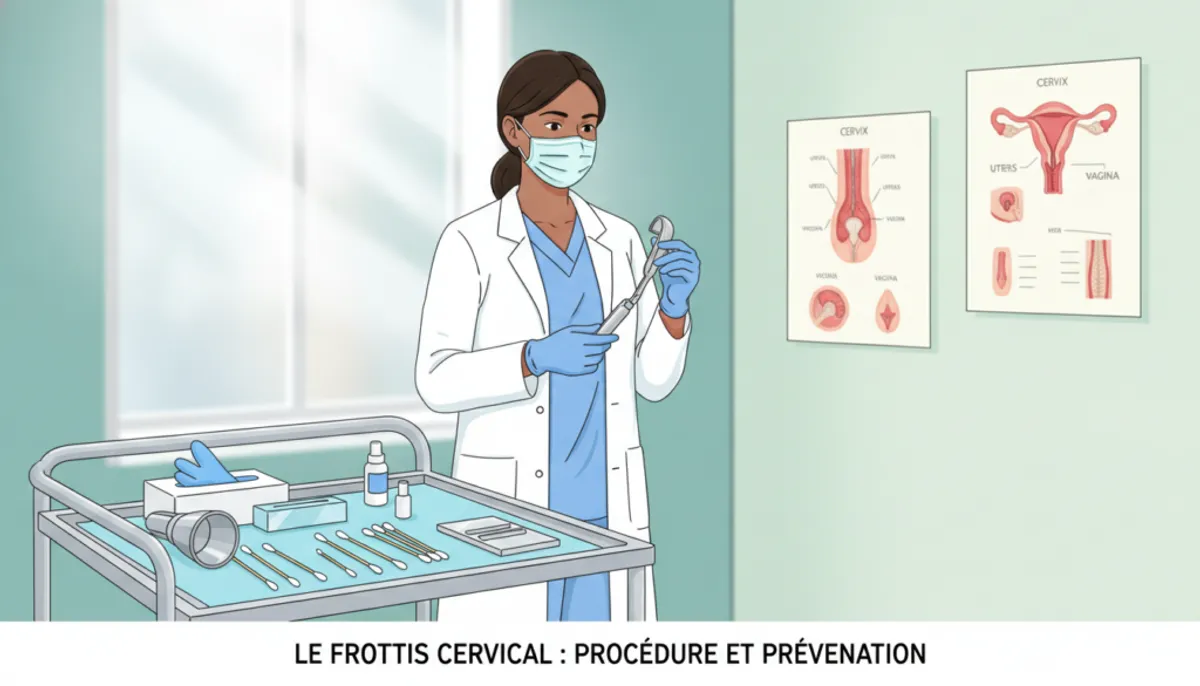
Performing a cervical smear requires precise technique and a comfortable environment. During this examination, the gynecologist or midwife begins by inserting a speculum into the vagina. This allows access to the cervix to collect cells using a small brush.
Although this examination is quick, it may sometimes cause slight bleeding that is not serious. It is advisable to plan for protection after the smear, as scraping the surface of the cervix can cause bleeding.
The collection is a technical gesture mastered by the healthcare professional, ensuring the quality of the analysis performed in the laboratory. The placement of the speculum is a standard step that allows for direct visualization of the cervix.
Interpreting the Results of the Smear
The interpretation of cervical smear results is essential for women's health. Results are generally available within 3 to 7 days depending on the analysis laboratory. A normal result indicates the absence of abnormalities, while terms like ASC-US or LSIL signal mild cellular changes.
Normal Results and Mild Abnormalities
When the laboratory transmits the results, the doctor can identify minor abnormalities. These mild results often require monitoring but are not alarming. Here are some key points:
- Normal results indicate the absence of abnormalities.
- ASC-US and LSIL signal mild cellular changes.
Moderate to Severe Abnormalities and Recommended Follow-up
In the case of moderate to severe abnormalities, such as HSIL, a colposcopy is often prescribed. This allows for a more precise examination of the cervix. The presence of cancerous cells is rare but requires immediate management. Regular follow-up is crucial to detect precancerous lesions.
- Severe abnormalities require a colposcopy for thorough examination.
- Follow-up is essential to ensure the best chances of recovery.
| Type of Result | Description |
|---|---|
| Normal | Absence of detected abnormalities. |
| ASC-US | Mild cellular changes. |
| LSIL | Mild abnormalities requiring monitoring. |
| HSIL | Moderate to severe abnormalities, colposcopy recommended. |
Management and Medical Follow-up
The health of women is a priority, and the cervical smear is an integral part of it. This examination is fully covered at 100% by health insurance, as part of the national screening program. This includes the collection and laboratory analysis, ensuring equal access to care for all.
A general practitioner or gynecologist can prescribe additional examinations, such as a colposcopy, if the smear results are positive. Regular follow-up is essential for any patient presenting abnormalities. This allows for treatment adjustments if necessary.
The collaboration between the laboratory and the doctor ensures continuity in monitoring patient health. Organized screening ensures that every woman, regardless of her doctor, has access to appropriate care.
| Aspect | Description |
|---|---|
| Coverage | 100% by health insurance. |
| Additional Examinations | Colposcopy prescribed if needed. |
| Regular Follow-up | Essential for patients with abnormalities. |
| Organized Screening | Equal access to care for all women. |
Practical Tips for the Smear
Preparing for a cervical smear is a crucial step to ensure reliable results. To do this, it is recommended to avoid having this examination during menstruation. This helps prevent any interference that could skew the results.
It is also preferable not to use vaginal treatments before the smear. This helps the doctor properly collect the cells needed for analysis. The smear can be performed by a healthcare professional who will advise you on the precautions to take before the appointment.
What to Do After the Examination?
After this examination, some bleeding may be observed. This is completely normal and should not worry the patient. It is important to note that this examination can be performed outside of any menstrual period for better accuracy.
Conclusion
Prevention is key to protecting women's health. The cervical smear remains the most effective tool in the fight against cervical cancer. By following screening recommendations, every woman contributes to the preservation of her health.
General practitioners and midwives are valuable allies in performing this examination and interpreting the results. Remember that early detection of lesions can prevent the progression to invasive and serious cervical cancer.
Make an appointment today for your smear and actively engage in monitoring your gynecological health.
FAQ
How often should I have a smear?
It is recommended to have a smear every three years starting at the age of 25, according to health professionals' recommendations.
What is a cervical smear?
A cervical smear is an examination that allows for the collection of cells from the cervix to detect any abnormalities or early lesions.
What is the difference between a smear and an HPV test?
The smear examines the cells of the cervix, while the HPV test detects the presence of the human papillomavirus, which can cause cancers.
What happens if abnormalities are detected?
If abnormalities are found, your doctor will recommend follow-up, which may include a colposcopy to examine the cervix in more detail.
Is the smear painful?
The smear may cause slight discomfort, but it is generally quick and well-tolerated by most women.
What should I do if I have bleeding after the examination?
Light bleeding may occur after a smear, but if it persists or intensifies, it is important to consult your doctor.
Who can perform a smear?
A smear can be performed by a gynecologist, midwife, or general practitioner trained in this examination.
What is the recommended age to start screening?
Screening through the smear generally starts at the age of 25, but it is important to discuss your personal situation with your doctor.