
The menstrual cycle is a natural phenomenon that begins on the first day of menstruation and lasts on average 28 days. Understanding the link between the cycle and mood is essential for grasping the emotional variations that women experience. Hormones, such as estrogen and progesterone, play a key role in this dynamic.
These hormones interact with neurotransmitters, thereby influencing our mental state on a daily basis. It is common to experience mood swings before menstruation, which can impact our energy levels and sleep. During this period, hormonal fluctuations can also lead to increased sensitivity or anxiety.
By observing one's cycle, it becomes possible to better manage the symptoms of premenstrual syndrome. This includes issues related to the follicular and luteal phases. Learning to decode these changes allows for transforming this period into an opportunity for better self-understanding.

Key Points to Remember
- The menstrual cycle influences women's emotional well-being.
- Hormones modulate mood during menstruation and after ovulation.
- Mood changes can occur before menstruation.
- Observing one's cycle helps manage premenstrual symptoms.
- Hormonal fluctuations can lead to sensitivity and anxiety.
Introduction to the Menstrual Cycle and Its Impact on Well-Being
From the first day of menstruation, the menstrual cycle establishes itself, causing hormonal variations over a period of about 28 days. This complex biological process affects not only the body but also the emotional state of women.
During this period, hormone levels fluctuate, which can have a significant impact on well-being. During menstruation, hormones are at their lowest, explaining the fatigue experienced by many women.
Estrogen and progesterone, for example, play a crucial role in regulating mood. They interact with the brain, thus influencing our emotional state throughout the cycle. By understanding these phases, it becomes easier to anticipate physical and emotional symptoms.
| Phase | Hormone Levels | Impact on Mood |
|---|---|---|
| Menstruation | Low | Fatigue, irritability |
| Follicular | Increase | Increased energy, good mood |
| Ovulation | High | Confidence, sociability |
| Luteal | Variable | Mood changes, anxiety |

Hormonal Fluctuations and Their Impact on Mood
Hormonal variations throughout the month profoundly influence women's emotional states. Estrogen, for example, plays an essential role in motivation and sociability.
The Role of Estrogen in Motivation and Sociability
Before ovulation, estrogen promotes dopamine production. This explains why many women feel more motivated and sociable during this time.
The Soothing and Sedative Effects of Progesterone
After ovulation, progesterone comes into play. It stimulates the neurotransmitter GABA, providing a natural sedative effect. This can improve mood and reduce anxiety.
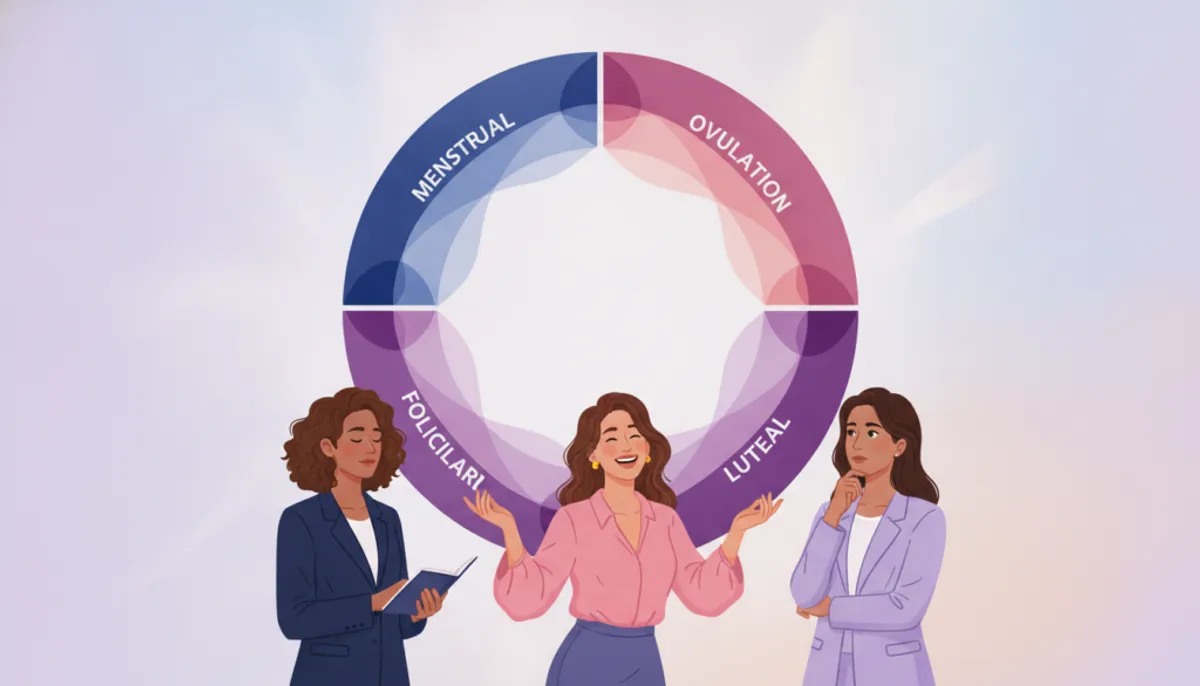
- Estrogen increases dopamine production, promoting motivation.
- Progesterone helps calm the nervous system after ovulation.
- During menstruation, the drop in hormones can lead to irritability.
- The luteal phase, with a rise in progesterone, helps regulate emotions.
- Estrogen protects the brain, positively influencing social interactions.
- A deficiency in progesterone can make the luteal phase more challenging.
- Understanding these impacts helps better accept emotional variations.
Cycle and Mood: Understanding Emotional Variations
Each month, women experience a menstrual cycle that begins with their period and lasts about 28 days. This natural process leads to emotional variations, especially before menstruation. About 8 out of 10 women experience premenstrual symptoms, ranging from irritability to mood swings.
The premenstrual syndrome is common, but the premenstrual dysphoric disorder (PMDD) is more severe, affecting up to 5.8% of women. The latter may require medical attention. Hormonal fluctuations, such as the drop in progesterone, can exacerbate emotions and anxiety during this time.
Here’s an overview of the emotional and physical impacts associated:
| Symptoms | Impact on Mood | Prevalence |
|---|---|---|
| Irritability | Increased mood swings | 80% |
| Bloating | Emotional discomfort | 60% |
| Fatigue | Reduced energy | 70% |
| PMDD | Intense emotions | 1.8% to 5.8% |
Testimonials and Feelings Through the Different Phases of the Cycle
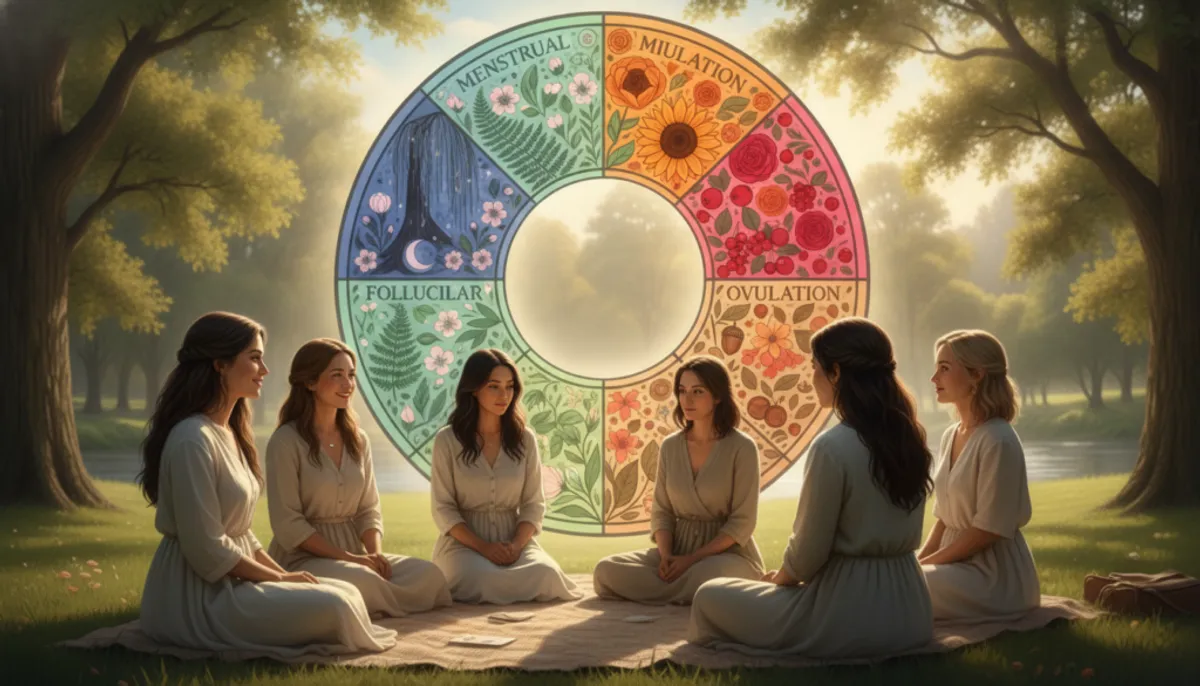
Every woman experiences unique experiences throughout the phases of her menstrual cycle. Shared testimonials reveal varied perceptions of the emotions and sensations felt. These accounts emphasize the importance of recognizing the impacts of hormones on well-being.
Experiences During Menstrual and Follicular Phases
Johanna, 32, insists that her emotions are legitimate. She believes it is essential not to reduce all women's emotions to their menstrual cycle. Livia, 27, feels an increased sensitivity after ovulation, which helps her be more forgiving of herself.
Feelings During Ovulation and the Luteal Phase
Christine, 49, notes a real relief and better mood after menstruation. It gives her the impression that her body regains lightness. During the follicular phase, many women feel a surge of energy, while the luteal phase can lead to mood swings and irritability.
It is important to note one's feelings each day. This helps to better understand how the menstrual cycle impacts mood and emotions. The variations in progesterone and estrogen make each phase unique for every woman.
Practical Tips for Better Mood Management in Daily Life
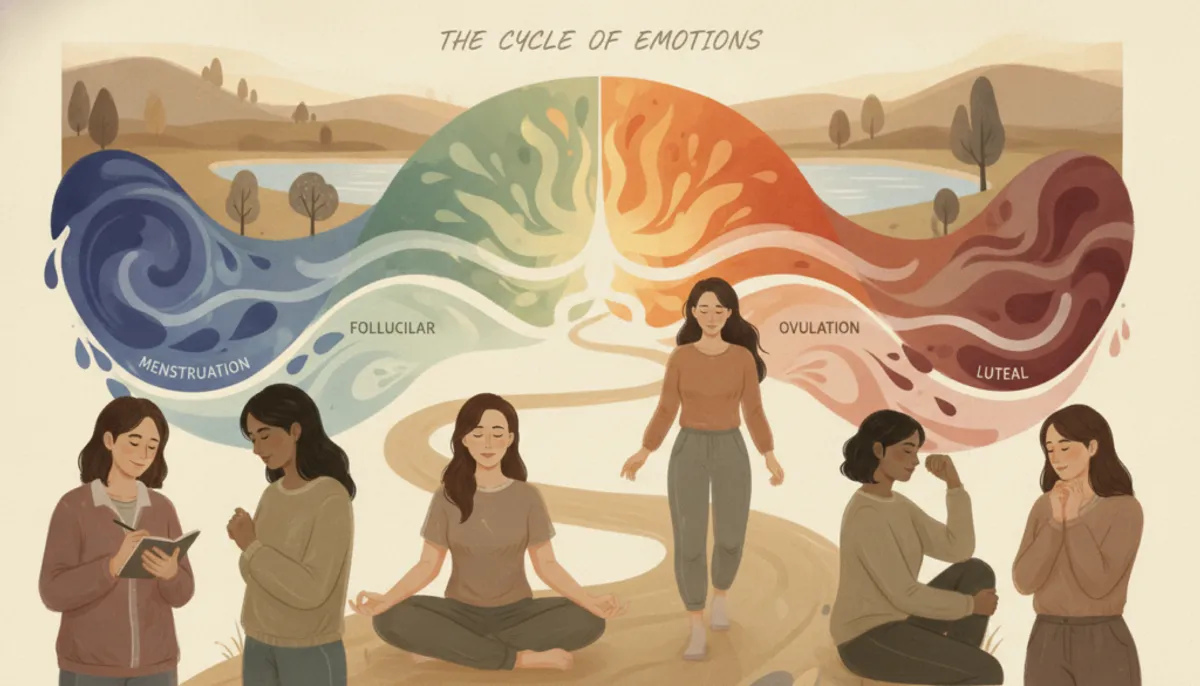
Managing emotional well-being on a daily basis can be a challenge for many women. However, there are simple and effective strategies to improve mood throughout the month.
To start, regular moderate physical activity can release endorphins. This helps reduce stress and improve mood during menstruation and beyond.
Next, a balanced diet is essential. Consuming foods rich in magnesium and omega-3 can stabilize mood and alleviate premenstrual syndrome symptoms.
Finally, Dr. Jean-Michel Morel recommends herbs like Lemon Balm and Hawthorn to soothe stress. Evening Primrose oil, offered by Naturactive, is also an excellent supplement to support women's well-being during this period.
Improving sleep quality is crucial. Hormones influence melatonin, which is essential for recovery after ovulation. By integrating these tips, it becomes easier to navigate each phase with serenity.
Natural Strategies for Optimal Hormonal Balance
Adopting natural methods can help stabilize hormone levels and improve quality of life. Stress management is crucial, as high cortisol levels can inhibit progesterone production, essential for well-being.
Tracking one's menstrual cycle daily allows for better anticipation of mood fluctuations and symptoms related to the luteal phase. By observing our mood variations each day, we can better understand our sensitivity to hormonal changes.
Here are some effective strategies:
- Practice meditation or yoga to stabilize emotions.
- Adjust routines according to the follicular or luteal phase to optimize energy.
- Use apps like Clue to track emotions and symptoms.
- Reduce anxiety through natural methods to limit irritability.
- Thorough monitoring allows for early detection of disorders.
| Method | Impact | Recommended Frequency |
|---|---|---|
| Meditation | Stress reduction | Daily |
| Yoga | Emotion stabilization | 2-3 times a week |
| Cycle Tracking | Symptom anticipation | Daily |
Conclusion
Understanding the link between the cycle and mood allows for better living with the emotional changes that occur each month. Every woman experiences her cycle uniquely, and it is normal to feel variations.
By adopting healthy habits, it is possible to reduce the impact of hormones on our mood, even during menstruation. Tracking one's cycle helps in better self-understanding and anticipating moments of emotional vulnerability.
Do not hesitate to consult a healthcare professional if symptoms become too debilitating. By making peace with one's cycle, one transforms a source of stress into a better understanding of oneself.
FAQ
What is premenstrual syndrome?
Premenstrual syndrome (PMS) is a set of physical and emotional symptoms that typically occur before menstruation. It can include mood swings, irritability, and changes in energy.
How do hormones influence my mood?
Fluctuations in hormones, such as estrogen and progesterone, can affect mood. For example, high levels of estrogen can enhance motivation, while progesterone may have a calming effect.
What are common symptoms of PMS?
Symptoms include mood swings, anxiety, abdominal pain, and changes in sleep and appetite. These symptoms vary from woman to woman.
How can I manage my mood during the menstrual cycle?
Regular physical activities, relaxation techniques, and a balanced diet can help better manage mood fluctuations. Herbal remedies can also be beneficial.
What is premenstrual dysphoric disorder (PMDD)?
PMDD is a severe form of premenstrual syndrome that can cause intense emotional symptoms, such as depression and anxiety, significantly impacting quality of life.
What are the phases of the menstrual cycle?
The menstrual cycle consists of several phases: the follicular phase, ovulation, and the luteal phase. Each of these phases is marked by hormonal changes that influence the body and mood.
What are the effects of ovulation on mood?
During ovulation, estrogen levels are high, which can lead to increased sociability and motivation. Some women feel more energetic and positive during this time.
How does stress affect my menstrual cycle?
Stress can disrupt hormonal balance, leading to irregularities in the menstrual cycle and mood variations. Stress management techniques can help maintain a regular cycle.