
The screening for sexually transmitted infections is a key element in protecting everyone's health. It allows for the early identification of infections and ensures appropriate care. Public health in France encourages this approach for the well-being of all sexually active individuals.
It is essential to get screened regularly, even without visible symptoms. This helps to preserve one's health and that of partners. In case of doubt, a quick and reliable test is the best way to know one’s status.
In France, access to screening is facilitated, making this responsible approach accessible to all. Screening is a pillar of sexual health, allowing for the detection of an infection before it becomes more complex.
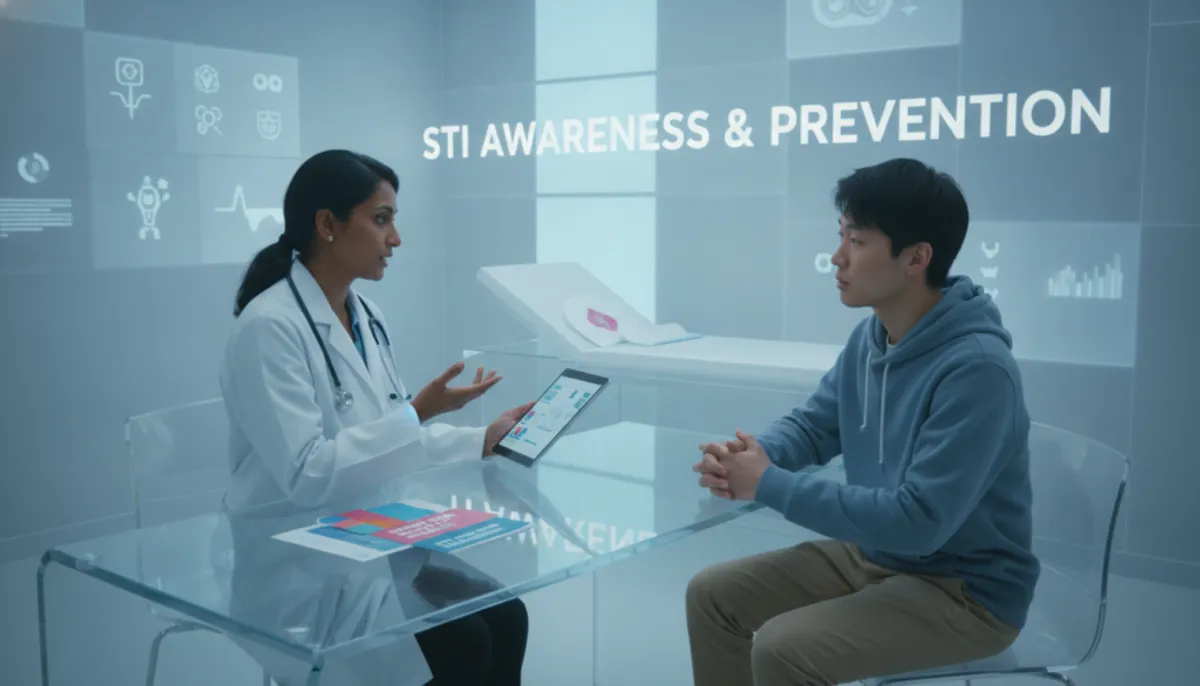
Key Points
- Screening is crucial for identifying sexually transmitted infections.
- It is important to get screened regularly for your health.
- Screening allows for quick management of infections.
- Everyone should view screening as a responsible act.
- Screening has become more accessible in France.
Introduction to STI Screening
Understanding the importance of screening for sexually transmitted infections is essential. These infections, often silent, can cause serious complications if not detected in time. In Europe, the European Centre for Disease Prevention and Control (ECDC) has reported an alarming increase in cases, particularly chlamydia, gonorrhea, and syphilis.
Chlamydia infections increased by 16%, while gonorrhea cases surged by 48% and syphilis by 34% between 2021 and 2022. These figures highlight the necessity of regular screening, even in the absence of symptoms. Indeed, a person can be a carrier of an infection without knowing it, thus increasing the risk of transmission to partners.
Screening is a preventive health measure. It allows for the quick identification of an infection and ensures appropriate care. This helps to prevent serious diseases such as infertility or cervical cancer. In case of doubt, consulting a doctor for screening is a responsible approach.
| Infection | Increase (%) | Possible Complications |
|---|---|---|
| Chlamydia | 16 | Infertility, pelvic pain |
| Gonorrhea | 48 | Urinary infections, joint complications |
| Syphilis | 34 | Neurological issues, cancers |

Why Get Screened?
Getting screened regularly is an essential gesture for your health. About 7 out of 10 women infected with chlamydia show no symptoms. This underscores the crucial importance of regular screening for infections.
HIV, for example, can progress silently for several years. Without treatment, the virus remains transmissible, making screening indispensable for anyone who has had unprotected sex.
A sexually transmitted infection can be present without any clinical signs. This promotes unintentional transmission to new partners. In case of pregnancy, screening is a key step to protect the health of both mother and child.
Early diagnosis of an infection allows for quick management by a doctor. This reduces the risks of serious long-term complications. By getting screened, one contributes to breaking the chain of transmission of infections, thus protecting the health of the entire community.

The Key Steps of STI Screening
The process of screening for sexually transmitted infections is simple and accessible. It is important to follow certain steps to ensure an effective and quick test. Here are the essential tips for preparing well and understanding the screening process.
Preparation and Advice Before the Test
Before going to a laboratory, it is advisable to:
- Consult a doctor to discuss symptoms and determine the appropriate type of test.
- Check the type of sample needed, which may vary depending on the infections.
- Avoid eating before certain blood tests, although this is not always required.
Screening Process in the Laboratory
In the laboratory, the process is quick and confidential. The tests may include:
- A reliable HIV test six weeks after a risky encounter.
- A urine analysis to detect chlamydia as early as seven days after exposure.
- A blood test to check for syphilis or hepatitis, often without the need to fast.
Since September 1, 2024, it is possible to get screened without a prescription, thus facilitating access to care. Results are generally available within 72 hours, ensuring quick management.
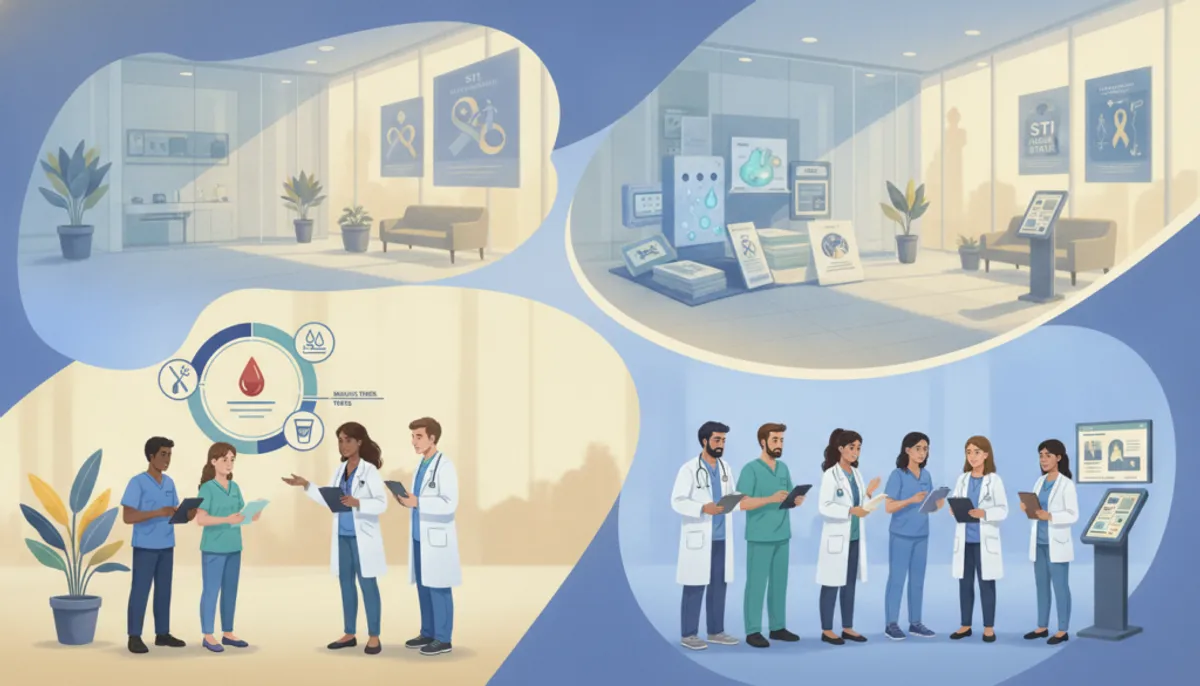
Types of Tests and Samples
The tests available to detect sexually transmitted infections are varied and tailored to individual needs. It is essential to understand the different sampling methods for effective diagnosis.
Blood, Urine, and Self-Sampling Tests
Samples can be:
- Blood samples for HIV, syphilis, or hepatitis B, suitable for anyone exposed.
- Urine samples for chlamydia and gonorrhea, offering a simple and effective method.
- Local samples (vaginal, urethral, pharyngeal) according to specific needs.
Different Samples According to Infections
For young women aged 18 to 25, a self-sampling kit for chlamydia is available online without a prescription. This allows everyone to take charge of their health.
Oral or anal sex may require specific samples for a complete diagnosis. Each person can get screened independently thanks to new health devices.

Management and Reimbursement of Screening
The management of tests for sexually transmitted infections is a crucial aspect to ensure access to health. Since September 1, 2024, young people under 26 years old benefit from fully covered screening by Health Insurance, without a prescription.
This initiative aims to facilitate access to tests for HIV, hepatitis B, syphilis, chlamydia, and gonorrhea. Individuals over 26 years old, on the other hand, see HIV screening reimbursed at 100%, while other infections are covered at 60% by Health Insurance.
These measures encourage everyone to get screened regularly, thus contributing to public health. Here’s an overview of the reimbursement conditions:
| Age | Type of Screening | Reimbursement (%) |
|---|---|---|
| Under 26 years | HIV, hepatitis B, syphilis, chlamydia, gonorrhea | 100 |
| Over 26 years | HIV | 100 |
| Over 26 years | Other STIs | 60 |
Medical biology laboratories facilitate access to tests without upfront costs for insured individuals. This reinforces the importance of getting screened, especially for young adults, to combat the rise in infections.
Risk Factors and Practical Advice
Identifying risky situations is fundamental for good sexual health. Screening is highly recommended during pregnancy, with mandatory screening for syphilis and hepatitis B to protect both mother and child.
Anyone who has had unprotected sex or a change of partner should get screened to avoid the transmission of infections. Regular screening is essential for those with multiple partners, as the risk of contracting infections increases.
In case of rape or condom failure, a quick screening in a medical biology laboratory is necessary for immediate management. PrEP is an effective prevention method against HIV, complementing screening for individuals at high risk.
A doctor may recommend repeated screening for individuals using psychoactive substances during sexual encounters. Access to screening is facilitated by the no prescription policy, allowing everyone to act quickly after an identified risky situation.
Comprehensive prevention includes the use of condoms, the only way to protect against all common sexually transmitted infections in France. Screening is a pillar of health, ensuring appropriate management and reducing risks for each partner.
Conclusion
Adopting a routine of health tests is crucial to ensure your well-being. Screening for sexually transmitted infections is a responsible act that protects not only your health but also that of your partners.
Thanks to current measures, access to screening is simplified, with appropriate coverage by Health Insurance. It is essential not to wait for symptoms to act, as many infections can remain silent.
In case of doubt, consulting a doctor or going to a laboratory is the best option for obtaining a reliable diagnosis. Protecting your sexual health is a right and a duty, facilitated by advantageous coverage for young people and the insured.
Make screening a regular reflex to ensure a peaceful sexual life and contribute to reducing risks within the population.
FAQ
What is screening for sexually transmitted infections?
Screening for sexually transmitted infections (STIs) involves conducting tests to detect the presence of sexually transmissible diseases, such as HIV, chlamydia, or syphilis.
How often should I get screened?
It is recommended to get screened at least once a year, especially if you have unprotected sex or new partners.
How does a screening test work?
The test may include blood, urine, or self-sampling. The process is generally quick and takes place in a specialized laboratory.
Who can benefit from reimbursement for screening?
Individuals under 26 years old can benefit from full coverage by health insurance. For those over 26, there are reimbursement options depending on the situation.
What are the symptoms of sexually transmitted infections?
Some infections may be asymptomatic, but common symptoms include pain during intercourse, itching, or unusual discharge.
What should I do if I test positive?
If you test positive, it is important to consult a doctor to discuss treatment options and inform your partners so they can also get screened.
Is screening confidential?
Yes, screening is confidential. Test results are shared only with you and your doctor, unless you choose to disclose them to others.