
Menopause is a natural stage of life that affects approximately 17.2 million women over the age of 45 in France. This period marks the end of biological reproduction and can lead to various physical and emotional changes. It is essential to understand this transition to better grasp the symptoms that generally occur around the age of 50.
During this phase, women may experience significant hormonal transformations. Knowing these changes helps to better manage this period often perceived as difficult. Our comprehensive guide supports you in navigating this new stage of life with ease.
We will also address public health issues and recent medical advancements. This information aims to provide a clear and reassuring perspective on this important topic.

Main Points to Remember
- Menopause is a natural stage in women's lives.
- It marks the definitive cessation of menstruation.
- Hormonal changes can affect each woman differently.
- Understanding menopause helps manage symptoms.
- The comprehensive guide offers practical advice for this transition.
Introduction to Menopause
Each year, nearly 500,000 women enter the menopause phase in France. This process is a natural physiological state that marks a key stage of adult life. This hormonal transition is often perceived as a period of upheaval, but it is an integral part of biological aging.
Although the average age of onset is 51, each woman may experience this period differently. It is essential to demystify this phase to allow women to better anticipate the changes that may affect their daily lives.
We will explore the fundamental mechanisms governing this transition, focusing on the overall health and well-being of women during this period.
The Fundamentals of Menopause
Menopause, often misunderstood, is a period of essential hormonal transformation. It occurs when the ovaries drastically reduce their production of estrogen. This process leads to the gradual cessation of the menstrual cycle in women.
This transition means that the ovaries stop releasing eggs, marking the end of the fertility period. The deficiency of estrogen is responsible for many physiological changes, impacting bone health and blood vessels.
Understanding these fundamentals is crucial for identifying early signs. It also allows for discussions about health options with a competent professional. The ovaries play a central role in this transition, and their resting state defines the beginning of this new hormonal era.
| Element | Description | Impact on Health |
|---|---|---|
| Estrogen Production | Significant reduction | Physiological changes |
| Ceasing Ovulation | End of fertility | Impact on reproductive health |
| Hormonal Transition | Changes in the cycle | Effects on bones and heart |
Signs and Symptoms of Menopause
The hormonal transition that accompanies the age of 50 leads to various symptoms in women. Approximately 87% of women aged 50 to 65 are affected by at least one menopause symptom daily.
Hot flashes affect 70% of women, manifesting as a sudden intense heat sensation in the face. These episodes can be uncomfortable and surprising.
Night sweats, often associated with hot flashes, severely disrupt sleep quality. This impacts the physical recovery necessary for daily well-being.
Sleep disturbances and mood swings are also common. Approximately 20 to 25% of women suffer from severe disorders that require appropriate medical care.
The symptoms of menopause can vary significantly in intensity, making each experience unique for the women involved.
| Symptom | Percentage of Affected Women | Impact on Quality of Life |
|---|---|---|
| Hot Flashes | 70% | High |
| Night Sweats | Variable | High |
| Sleep Disturbances | 20-25% | High |
| Mood Swings | Frequent | Moderate to high |
Changes in the Menstrual Cycle and Perimenopause
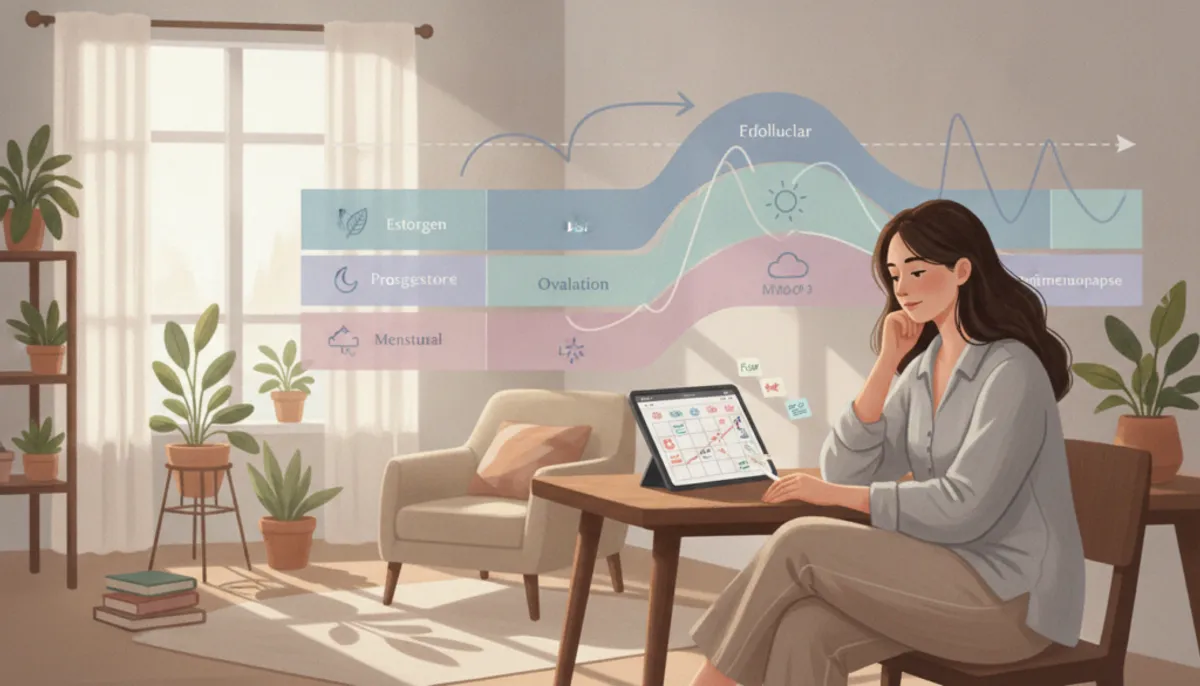
Perimenopause is a crucial phase that prepares women for the definitive cessation of menstruation. This period typically lasts from 2 to 4 years before menstruation completely stops.
During this phase, periods often become irregular. Cycles may be shortened or lengthened depending on the case. It is important to note that the definitive cessation of menstruation is officially confirmed after 12 consecutive months without any menstrual cycle.
Here are some points to keep in mind:
- Perimenopause is a transitional period that generally lasts from 2 to 4 years before the definitive cessation of menstruation.
- Periods may become irregular, with variations in cycles.
- It is crucial to consult a doctor if periods become abnormally heavy or occur less than three weeks apart.
- Perimenopause can lead to various functional symptoms, requiring medical monitoring.
Psychological and Emotional Aspects
The psychological and emotional aspects play a crucial role during this phase of women's lives. Mood disorders, including irritability and depressive tendencies, significantly impact women's emotional well-being during this period.
Stress can exacerbate physical symptoms, making emotional management essential to maintaining a good quality of life. Here are some strategies to cope with these challenges:
- Practice relaxation techniques, such as meditation or yoga.
- Establish psychological follow-up to better understand and manage emotions.
- Maintain open communication with loved ones to share feelings.
- Adopt a balanced lifestyle, including a healthy diet and physical exercise.
Quality of life is often correlated with a woman's ability to integrate these changes into her daily life. It is important to recognize that these disorders are normal physiological manifestations and not personal weaknesses.
Complications and Health Risks Post-Menopause
Women's health after menopause requires special attention. This period can lead to significant complications, including osteoporosis and cardiovascular diseases. It is essential to understand these risks to better prevent them.
Osteoporosis and Bone Weakening
Osteoporosis weakens bones, affecting approximately 39% of women aged 65 and older. This loss of bone density increases the risk of fractures. In 2013, 177,000 people over 50 were hospitalized for an osteoporotic fracture in France.
Increased Cardiovascular Diseases
After menopause, the risk of cardiovascular diseases increases. This risk reaches levels comparable to those of men of the same age. Natural hormonal protection decreases, necessitating increased monitoring of cardiovascular health.
| Complication | Percentage of Affected Women | Notes |
|---|---|---|
| Osteoporosis | 39% | Bone weakening |
| Osteoporotic Fractures | 177,000 hospitalizations | In 2013, in France |
| Cardiovascular Diseases | Increased risk | Comparable to men |

Therapeutic Options and Treatments
Women can explore different options to alleviate symptoms related to perimenopause. Various hormonal and non-hormonal interventions are available to improve their well-being.
Hormonal treatment may be prescribed to relieve severe symptoms caused by estrogen deficiency. This type of treatment helps manage symptoms such as hot flashes and sleep disturbances.
Additionally, there are effective non-hormonal treatments that can also improve the overall health of patients. Each treatment should be discussed with a healthcare professional, taking into account medical history and personal preferences.
Alternative solutions, such as lifestyle changes, can complement medical treatment. This helps optimize women's well-being during this period.
Research continues to evaluate new treatments to offer personalized options for women suffering from debilitating symptoms.
| Type of Treatment | Description | Impact on Symptoms |
|---|---|---|
| Hormonal Treatment | Prescribed for severe symptoms | Significant reduction in hot flashes |
| Non-Hormonal Treatments | Alternative medications | Improvement in quality of life |
| Alternative Solutions | Lifestyle changes | Optimization of overall well-being |
Prevention and Wellness Tips
Adopting a healthy lifestyle is essential for women during this transitional period. This includes dietary choices and exercise habits that promote overall well-being.
Hygienic and dietary advice plays a key role. Adequate intake of calcium and vitamin D is recommended for the prevention of osteoporosis. This helps limit the risk of long-term bone complications.
Hygienic and Dietary Advice
- A balanced diet and regular physical activity are essential to prevent weight gain during this life stage.
- Maintaining appropriate physical activity helps preserve cardiovascular health and strengthen pelvic support structures.
Physical Activity and Life Balance
- Stress management and quality sleep are fundamental pillars for maintaining optimal life balance.
- Proactive prevention helps reduce the risks of chronic diseases and improve long-term quality of life.

The Role of Dedicated Consultation and Medical Follow-Up
A personalized medical consultation is crucial to support women through their hormonal transitions. The report of the parliamentary mission on menopause, delivered by Stéphanie Rist on April 9, 2025, recommends a dedicated consultation for every woman.
This medical follow-up allows for treatment adjustments based on specific needs related to gynecological and cardiovascular health. Support from a healthcare professional is essential to validate treatment and ensure comprehensive and safe care.
The dedicated consultation offers a space to discuss life changes and concerns related to menopause. Regular follow-up ensures that every woman receives the necessary information to maintain her health throughout this transition.
The Community and Deconstruction of Menopause Taboos
Women must feel free to discuss menopause without fear of judgment. It is imperative to break the silence, knowing that 46% of pre-menopausal women have never broached this topic with their partner.
Community awareness helps combat prejudices. Indeed, 15% of women have experienced negative remarks regarding their experience. Creating discussion spaces allows women to share their life experiences and reduce feelings of isolation.
Women's health also depends on society's ability to normalize this natural stage of biological aging. Breaking taboos fosters better access to care and social recognition of menopause as a positive stage.

Impact of Menopause on Professional and Personal Life
The hormonal transition can have a significant impact on women's daily lives. Indeed, menopause can disrupt professional and personal life, necessitating better adaptation of working conditions for women.
The Government is committed to improving the consideration of this period in the professional world to support active women. A supportive work environment helps women maintain their productivity and well-being despite frequent symptoms.
The impact on personal life can be mitigated by adequate family and social support during this hormonal transition. Recognizing the professional challenges related to menopause is a key step in ensuring equality and health at work.
| Aspects | Impact on Professional Life | Impact on Personal Life |
|---|---|---|
| Working Conditions | Necessary adaptation | Required family support |
| Productivity | May decrease | May be affected |
| Social Support | Essential for well-being | Promotes balance |
Advancements and Future Perspectives on Menopause
The importance of research on the health of women over 50 is increasingly recognized. In 2021, these women represented 26% of the global female population. This underscores the need to improve treatments and care.
The Government is now funding research projects to innovate in the treatment of symptoms related to menopause. These efforts aim to transform this life stage into a better understood and more manageable phase.
Future perspectives include more targeted therapies. This will enhance the health and quality of life of each woman. Medical innovation is essential to ensure that tomorrow's treatment is more effective and better tolerated.
| Aspect | Details | Potential Impact |
|---|---|---|
| Target Population | Women aged 50 and older | Improvement in treatments |
| Government Funding | Research projects | Innovate in treatments |
| Targeted Therapies | Future perspectives | Better quality of life |
Conclusion
The transition to menopause is a natural process that deserves special attention. This stage of women's lives requires increased awareness and appropriate treatment to ensure a smooth passage.
Overall health must remain a priority, integrating the prevention of cardiovascular and bone risks into daily follow-up. It is essential to continue breaking taboos to allow women to fully thrive after this period.
Our guide emphasizes the importance of personalized support to ensure optimal quality of life at every stage of this transition. Ultimately, every woman deserves to experience this phase with confidence and serenity.
FAQ
What are the common symptoms associated with menopause?
Symptoms can include hot flashes, night sweats, sleep disturbances, as well as vaginal dryness.
At what age does menopause typically begin?
Most women begin to experience symptoms around 45 to 55 years old, but this can vary.
What are the health risks after menopause?
After this period, women may be at increased risk of osteoporosis and cardiovascular diseases.
What treatment options exist to manage symptoms?
Hormonal treatments and alternative solutions, such as lifestyle changes, can help alleviate symptoms.
How does menopause affect mental health?
Hormonal fluctuations can impact mood and emotional well-being, sometimes leading to feelings of anxiety or depression.
What lifestyle tips can help during this period?
Adopting a balanced diet, exercising regularly, and practicing stress management techniques can be beneficial.
Why is it important to consult a healthcare professional during menopause?
Medical follow-up allows for personalized support and effective management of symptoms and health risks.
How does society perceive menopause today?
Awareness is increasing, helping to break taboos and encourage open discussions about this phase of life.