
Menopause is a natural transition that all women go through. This period is often marked by hormonal changes that can affect health and daily well-being. It is essential to understand that this phase should not be perceived as a collapse, but rather as a necessary reconfiguration of our lifestyle.
Adopting a proper diet can greatly help manage common symptoms and maintain good long-term health. Indeed, this period requires special attention to nutrition to support the body in the face of the gradual decline in estrogen. A balanced diet can become a pillar for alleviating symptoms and promoting lasting well-being.
We will explore together how to better navigate this phase of life, focusing on healthy habits rather than restrictive diets. Understanding the nutritional needs of women during this period is crucial for going through this stage with serenity.

Key Points
- Menopause is a natural transition for all women.
- A proper diet helps manage symptoms.
- It is important to support the body with good nutrition.
- This period should not be experienced as a collapse.
- Healthy habits are preferable to restrictive diets.
Understanding Hormonal Changes and Their Impact on Nutrition
Hormonal changes can have a significant impact on women's health. In particular, the slowing metabolism can lead to challenges in weight management. Energy needs decrease with age, according to ANSES, dropping from 2057 kcal for women aged 51 to 59 to 1878 kcal after 65.
This natural slowdown promotes abdominal weight gain, increasing the risk of cardiovascular diseases. Additionally, the loss of muscle mass, often referred to as sarcopenia, requires sufficient protein intake to maintain physical strength.
Fluctuations in hormones, particularly the drop in estrogen, affect fat distribution and bone density. It is therefore essential to adjust one's diet to compensate for these changes and avoid excessive weight gain.
- Energy needs decrease with age.
- The slowing metabolism promotes abdominal weight gain.
- Cautious weight management is recommended.
- Sufficient protein intake is crucial for muscle mass.
- Hormonal fluctuations affect bone health.

The Importance of a Balanced Diet During Menopause
Adopting a balanced diet is crucial for navigating this period of life. Nutrients play an essential role in maintaining health and well-being. Among them, proteins, fiber, and omega-3 are particularly important.
Proteins help preserve muscle mass, which is vital when metabolism slows down. Fiber promotes good intestinal health and contributes to a lasting feeling of fullness. Additionally, omega-3, found in fatty fish, supports heart and mental health during this phase.
Calcium and vitamin D are also key nutrients. Gemvi recommends a daily intake of 800 IU of vitamin D, or quarterly supplementation of 80,000 to 100,000 IU for bone health. Adequate vitamin D optimizes calcium absorption, essential for preventing osteoporosis.
| Nutrient | Role | Recommended Intake |
|---|---|---|
| Proteins | Maintaining muscle mass | Varies based on individual needs |
| Fiber | Intestinal health | 25-30 g per day |
| Omega-3 | Heart health | 2 servings of fatty fish per week |
| Calcium | Preventing osteoporosis | 1000 mg per day |
| Vitamin D | Calcium absorption | 800 IU per day |

Practical Tips for Menopause Nutrition
A proactive approach to nutrition can transform the experience of this natural stage. It is essential to make informed choices to alleviate symptoms and improve quality of life.
Adapting Your Diet to Alleviate Symptoms
To better manage menopause, it is advisable to drink at least 1.5 L of water per day to limit water retention. Hydration helps combat the effects of hormonal changes on the body.
Meal planning helps ensure a varied intake of essential nutrients throughout the week. This contributes to reducing climate symptoms and promotes better physical comfort.
Tips for Incorporating the Right Foods into Daily Life
Adopting herbal teas, such as those made from hawthorn, can help relieve anxiety and hot flashes. Incorporating unsaturated fats, such as olive oil, improves the quality of prepared meals.
Homemade meal preparation is an effective tip for controlling intake and avoiding processed ingredients that worsen symptoms.
Foods to Favor for Optimal Well-Being
To promote optimal well-being, it is essential to choose suitable foods. The Mediterranean diet, rich in legumes, fatty fish, olive oil, nuts, and fruits, is particularly beneficial for health.
Sources of Nutrients Favorable to Bone Health
Legumes, such as lentils and chickpeas, are rich in plant proteins and fiber, essential for health. Regular consumption of fatty fish, such as mackerel or sardines, provides omega-3 and vitamin D, which are crucial for well-being.
Recipe Ideas to Vary Culinary Pleasures
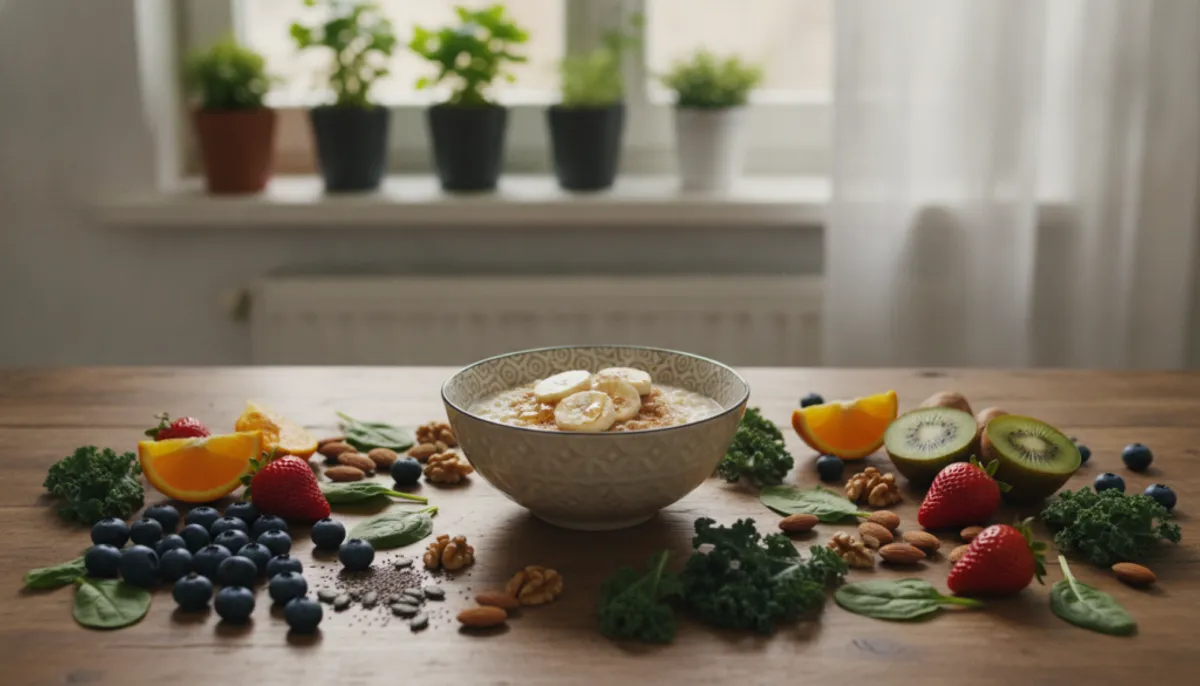
Incorporating red fruits and green vegetables into daily life is important for their richness in antioxidants. Whole grain bread is preferable to white bread, as it increases fiber intake. Here are some ideas to vary culinary pleasures:
- Legume salads with fresh vegetables.
- Grilled fatty fish with a drizzle of olive oil.
- Snacks made from nuts and fresh fruits.
Foods and Behaviors to Avoid for a Better Menopause Experience
It is essential to be aware of foods and behaviors that can worsen symptoms during this phase. By avoiding certain products, you can better manage hot flashes and improve your overall well-being.
Reducing Added Sugars, Caffeine, and Processed Foods
Consumption of caffeine and alcohol should be monitored. According to the Mayo Clinic, these substances can intensify hot flashes, disrupting the quality of sleep. It is advisable to reduce added sugars and processed products, as they can lead to blood sugar spikes, increasing the intensity of hot flashes.
Limiting Salt, Spices, and Alcohol for Better Sleep
Studies show that excessive consumption of salt, exceeding 2 grams per day, can affect bone density. Additionally, spicy foods are often linked to an increased frequency of hot flashes. Limiting alcohol can also improve sleep quality and reduce the hot flashes that often occur at night.
| Food/Behavior | Impact | Advice |
|---|---|---|
| Caffeine | Increases hot flashes | Reduce or eliminate |
| Alcohol | Disrupts sleep | Limit consumption |
| Added sugars | Poorly stabilizes blood sugar | Avoid processed products |
| Salt | Weakens bone density | Do not exceed 2g/day |
| Spicy foods | Increases frequency of hot flashes | Limit their consumption |

The Importance of Physical Activity in Complement to a Good Diet
Physical activity is a key element for women's well-being during this phase of life. It is recommended to engage in at least 150 minutes of physical activity per week. This helps limit weight gain and prevent osteoporosis.
It is crucial to focus on muscle training. This preserves muscle mass, which tends to naturally decrease. Regular activity, such as walking or swimming, also improves sleep quality and reduces the risk of chronic diseases.
- Engaging in at least 150 minutes of physical activity per week is recommended to limit weight gain and prevent osteoporosis.
- Muscle training is essential to preserve muscle mass.
- Regular activity improves sleep quality and reduces the risk of chronic diseases.
- Building muscle mass helps maintain an active metabolism.
- Combining stretching and cardio exercises reduces the risk of falls.
- Physical activity protects against cardiovascular diseases.
- Staying active is fundamental to approaching menopause with energy.
Conclusion
Every woman deserves to experience this stage with confidence and serenity. Nutritionist Annie Ferland emphasizes the importance of a balanced diet to support women during this natural phase. Opting for a Mediterranean diet, rich in proteins, fiber, omega-3, calcium, and vitamin D, promotes sustainable health after 40.
It is essential to focus on lifestyle habits that support muscle mass, rather than solely on weight. Managing symptoms, such as hot flashes, can involve reducing alcohol, sugar, and processed foods. By combining a balanced diet with regular physical activity, every woman can approach this period of life with vitality.
This holistic approach helps prevent the risks of chronic diseases while improving physical and mental well-being in the long term.
FAQ
What are the common symptoms related to hormonal changes?
Symptoms include hot flashes, sleep disturbances, mood swings, and weight gain. Each woman may experience these changes differently.
How can diet help manage these symptoms?
A diet rich in proteins, fibers, and omega-3 can alleviate symptoms. Fruits, vegetables, and legumes are also beneficial for overall health.
What foods should I prioritize during this period?
Favor foods rich in calcium, such as dairy products, as well as fatty fish and nuts. They support bone and cardiovascular health.
Is it important to exercise during this period?
Yes, physical activity helps maintain muscle mass, improves metabolism, and reduces the risk of cardiovascular diseases.
What are the best sources of protein to incorporate into my diet?
Legumes, fish, lean meats, and dairy products are excellent sources of protein to support your health.
How can I reduce my sugar and alcohol consumption?
Replace sugary drinks with water or herbal teas, and opt for healthy snacks. Limit alcohol to special occasions for better sleep.
What are the effects of a poor diet on my health during this period?
An unbalanced diet can worsen symptoms, increase the risk of diseases, and affect overall quality of life.